
Islamabad’s waste management is about to change hands. The Capital Development Authority (CDA) has moved to outsource the capital’s entire cleanliness and garbage collection operation to a single private contractor, in a deal worth roughly Rs. 16 billion over four years.
Three joint ventures entered the race. After months of technical scrutiny, grievance hearings, and one dramatic reversal, the process is now down to its final stage: opening the financial bids.
What the Rs. 16 Billion Waste Management Contract Covers
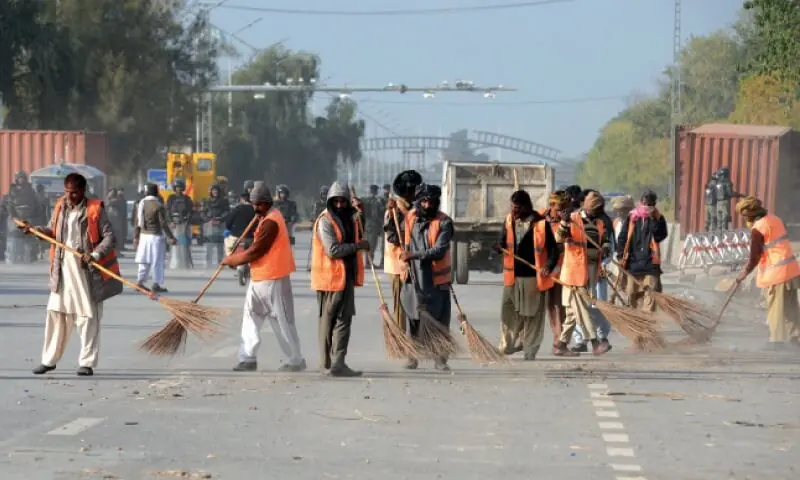
Islamabad’s waste management outsourcing plan brings both urban and rural sectors under one contractor for the first time. Previously, separate firms handled machinery and manpower an arrangement that expired last year and left CDA relying on its own staff.
Under the new structure, the winning bidder handles primary and secondary garbage collection, street sweeping, and transport to the Losar landfill site in Rawalpindi. Payment is calculated per tonne of waste collected, and the contract runs for four years.
- Estimated annual cost: around Rs. 4 billion
- Total contract value: approximately Rs. 16 billion over four years
- Coverage: door-to-door collection across all five zones, urban and rural
Timeline: How Islamabad’s Waste Management Outsourcing Reached This Stage
This isn’t CDA’s first attempt. Islamabad waste management outsourcing has been floated, cancelled, and re-floated four times over roughly eighteen months, with earlier versions of the tender estimated at Rs. 24 billion over ten years and later Rs. 28 billion over seven years before being scrapped.
The current round began with a fresh tender inviting joint ventures. Three consortiums submitted bids; two were initially disqualified during technical evaluation, leaving only one qualified bidder before a grievance appeal reopened the field to two.
Who Is Bidding for Islamabad’s Waste Management Contract

Three consortiums entered Islamabad waste management bidding process, though only two remain active after technical screening and a subsequent appeal. The competing groups reflect a mix of domestic construction and sanitation firms rather than large multinational operators.
- Joint venture of NJC, MMC, NCS and Imperial Ventures
- Atlas Pak Waste Management Company, in venture with an associated firm
- A third consortium of SA Enterprises, Nazir Lak & Company, and Three Brothers Construction (declared non-responsive)
Officials involved in the evaluation say procurement rules allow the authority to proceed even with a single qualified bidder, though that provision has itself become a point of contention among losing parties.
Package I and Package II: Zone-Wise Breakdown
CDA has split the city into two procurement packages rather than awarding one blanket contract, a structure meant to keep pricing competitive across zones with different waste volumes and access challenges.
| Package | Zones Covered | Contract Length | Payment Basis |
|---|---|---|---|
| Package I | Zone I, Zone II, Zone III | 4 years | Per tonne collected |
| Package II | Zone IV, Zone V | 4 years | Per tonne collected |
Both packages fall under the same overarching Islamabad waste management outsourcing tender, with the lowest compliant bidder in each package expected to win the respective contract once financial bids are opened.
Why Islamabad Still Has No Landfill of Its Own
A planned city since 1960, Islamabad has never built a dedicated landfill within its own boundaries. Waste has been shifted between temporary dumping sites for decades, most recently to Losar in neighbouring Rawalpindi.
READ MORE: Pakistan’s Oil Import Bill Beats IMF’s FY26 Forecast
That dependency adds transport costs and logistical strain to every tonne collected under the new contract. CDA officials have said building an in-house landfill remains a long-term goal, but no site or timeline has been finalised alongside the current outsourcing push.
The Lone-Bidder Rule and Political Pushback

The prospect of awarding a multi-billion-rupee contract to a single qualifying bidder has drawn scrutiny inside government. One senior CDA official defended the approach, noting: “As per PPRA rules, a lone bidder can be awarded the contract, so we are moving forward.”
Earlier iterations of the tender also drew concern from Interior Minister Mohsin Naqvi, who reportedly pushed for Pakistani firms to compete without being forced into joint ventures with international companies — a factor that contributed to prior tenders being cancelled and reissued.
What This Means for Islamabad Residents
For residents, especially in rural sectors with no consistent collection system, the practical stakes are high. Officials say Islamabad’s waste management gap has left many households dumping waste in open areas and drainage channels for years.
- Around 1,100 regular CDA sanitation workers will be placed at the contractor’s disposal
- Rural areas gain a formal collection system for the first time under this structure
- Urban zones move from a patchwork of CDA staff and hired machinery to a single accountable operator
What Happens Next
The remaining step is procedural but decisive: opening the financial bids once the grievance window for unsuccessful parties closes. From there, the lowest compliant bid in each package should determine the winning contractor.
If finalised, the four-year agreement would mark CDA’s most concrete attempt yet to fix a sanitation system that has cycled through cancelled tenders and stopgap arrangements since the last contracts lapsed. This attempt sticks, or joins the list of scrapped tenders, will likely become clear within weeks.