About 80% of Pakistan’s crude oil imports come through the Strait of Hormuz.
Energy Security in Pakistan is questionable Amid Crisis in Strait of Hormuz. There’s a single choke-point that keeps the lights on in Karachi, the buses running in Lahore, and the mills spinning in Faisalabad. It’s not in Pakistan. It’s a 33-kilometre stretch of water between Iran and Oman, and when it closed, Pakistan stopped. Petrol stations ran dry. Grocery bills doubled in a week. Hospitals started rationing diesel for generators. The Strait of Hormuz shut down, and a country of 240 million people discovered just how fast modern life unravels when one shipping lane does.
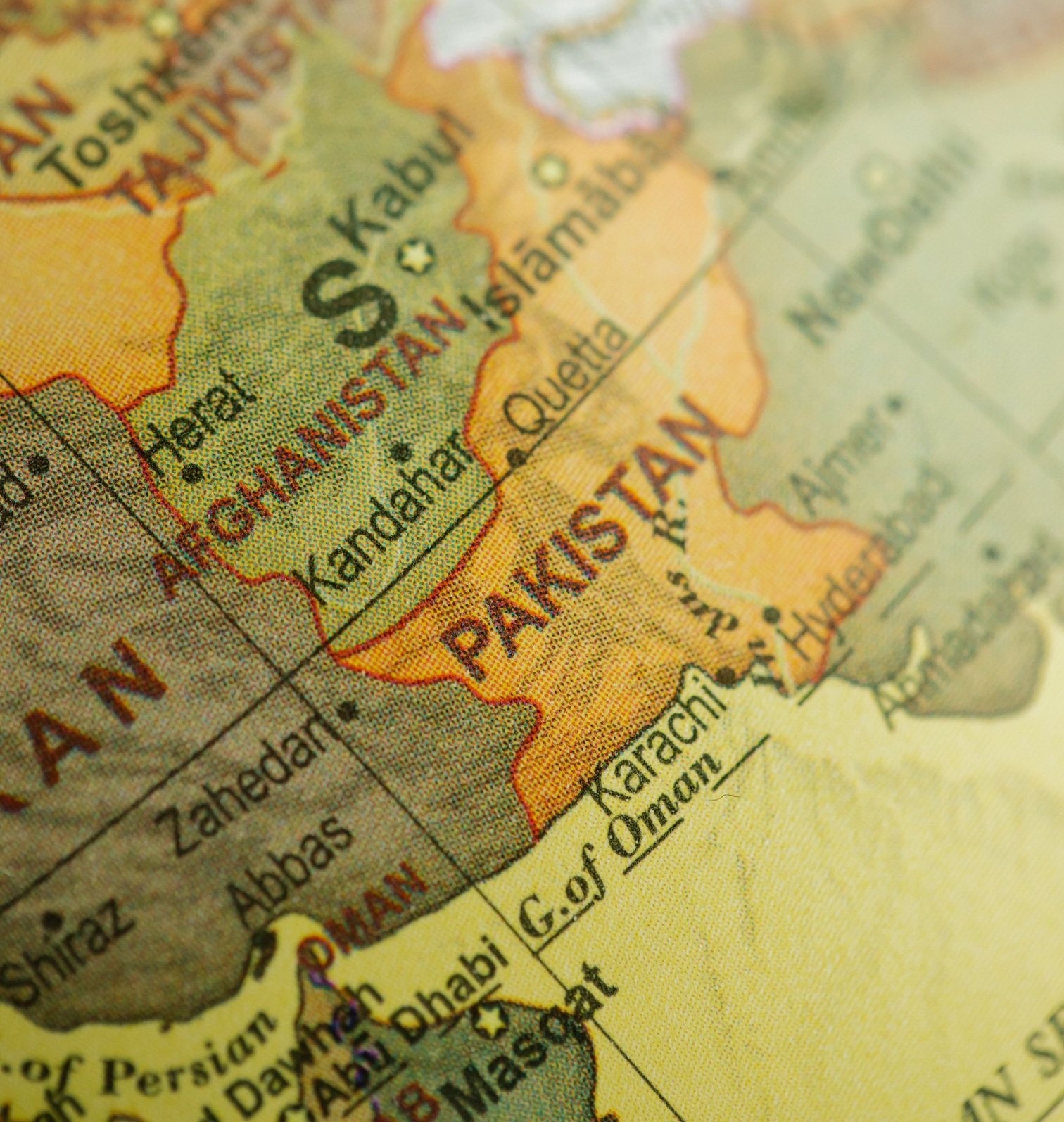
The Strait of Hormuz looks unremarkable on a map. Just 33 kilometers wide, tucked between Iran and Oman at the entrance to the Persian Gulf. But in 2024, roughly 20 million barrels of crude oil, condensate, and refined fuels passed through it every day. That’s about a fifth of all the petroleum liquids the world uses. On top of that, Europe gets 12 to 14% of its LNG from Qatar through the same route, plus up to 30% of globally traded fertilizer. All of it squeezed through that one passage.
When the strait effectively shut down on February 28, 2026, the day when US and Israel launched Operation Epic Fury against Iran, the fallout was immediate. Iran hit them back with drones, ballistic missiles, and small attack boats, making the route riskier for commercial ships. Insurance either vanished or it totally became impossibly expensive. Crews refused to sail. Traffic collapsed. What was around 130 ships a day in February dropped to just 6 in March. A 95% fall. The International Energy Agency called it the “greatest global energy security challenge in history” and “the largest supply disruption in the history of the global oil market.”
Pakistani Imports Via Strait of Hormuz
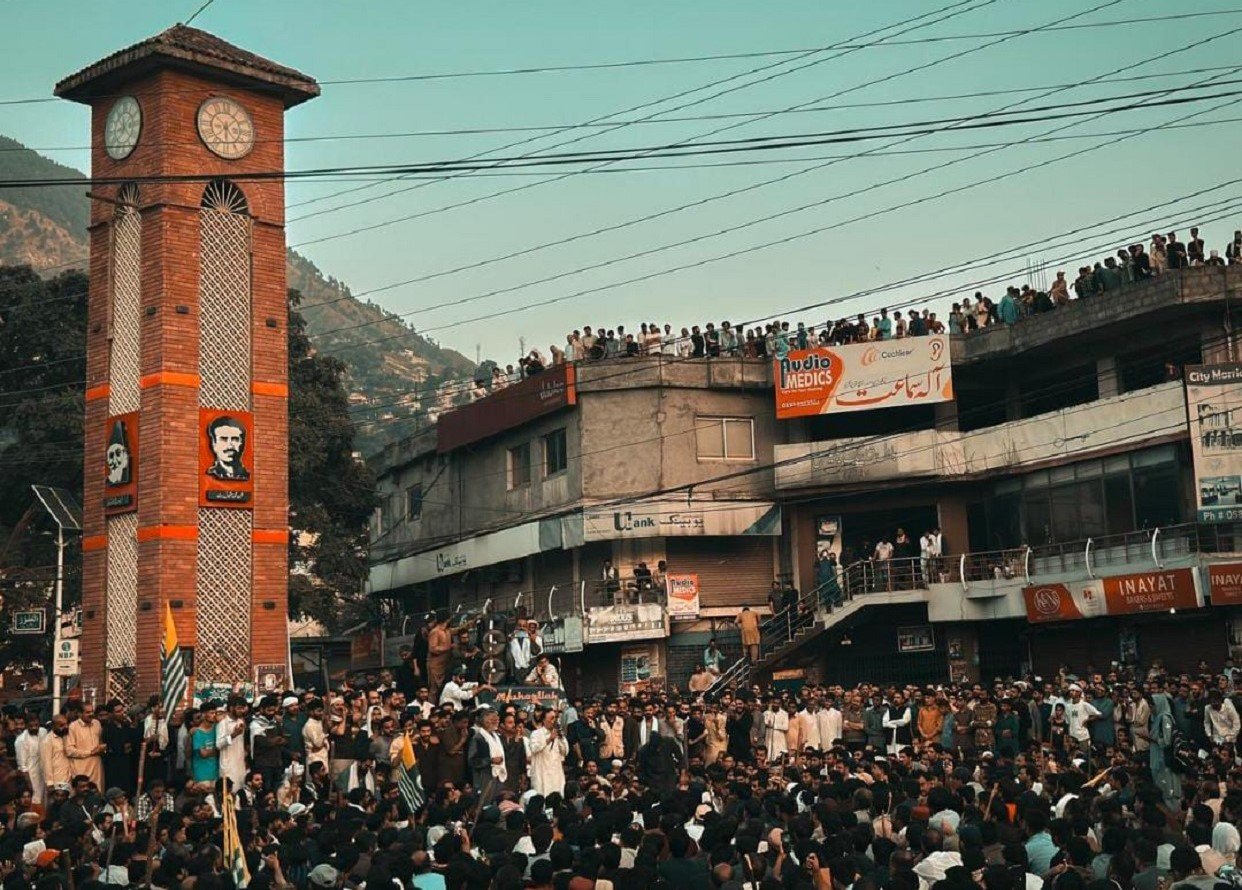
Pakistan is right in the middle of this mess, not because it lit the match, but because it built its whole energy system next to a powder keg. About 80% of Pakistan’s crude oil imports come through the Strait of Hormuz. And with only 10 to 14 days of reserves, among the lowest anywhere, compared to the IEA’s recommended 90-day buffer, there was no cushion when the crisis hit. Fuel and food prices jumped overnight. Lines formed at petrol stations and electricity vanished. The government cut the work week for about four days, shut down the schools, and told people to work from home. Pakistan even asked cricket fans to watch matches at home to save fuel. That small detail says a lot about how bad things got.
The numbers are brutal. If oil stays near $150 a barrel, Pakistan’s monthly fuel bill could triple, hitting $3.5 to $4.5 billion. That isn’t just a budget problem for the finance ministry. It shows up in bus fares, in a sack of flour, in the price of medicine. The Pakistan Institute of Development Economics warned inflation could hit 15 to 17% if the disruption drags on. In a country where so many live hands to mouth, that’s devastating. The World Bank points out that food eats up around 43% of household spending in low-income countries. For Pakistan’s urban poor, daily wages run out long before the week does.
And this isn’t just Pakistan’s problem. Energy prices are set to jump 24% in 2026, the highest since Russia invaded Ukraine in 2022, according to the World Bank’s latest Commodity Markets Outlook. Fertilizer costs have spiked 31%, putting up to 45 million more people at risk of acute food insecurity worldwide.
Iran War Hitting Global Economy
The World Bank’s Chief Economist, Indermit Gill, put it bluntly: “The war is hitting the global economy in cumulative waves: first through higher energy prices, then higher food prices, and finally, higher inflation, which will push up interest rates and make debt even more expensive.”
Asia took the first and hardest hit, with 84% of crude shipments through the strait in 2024 headed for Asian markets. Pakistan, Bangladesh, and Vietnam are among the worst off. The Philippines declared a national energy emergency. On Wall Street and in Washington, people started talking about $200 oil. Traders and energy advisers kept saying the world still hadn’t grasped how serious this was. This is the 1970s oil shock all over again, only bigger, faster, and tied into everything.
In a strange twist, Pakistan ended up playing a key diplomatic role. On June 18, 2026, Pakistan, acting as the main mediator, announced that the US-Iran memorandum meant Tehran would reopen the strait soon. Pakistan helped end a crisis that had almost flattened it. A country with enough pull to broker peace abroad couldn’t even keep its own petrol pumps running. That should rattle every policymaker in Islamabad.
Strait of Hormuz: How it Affects Pakistan?
On June 20, 2026, Pakistan slashed the fuel prices with highest reductions in recent memory. Yet, it requires much more in the near future.
The fix isn’t mysterious. Build strategic oil reserves for at least 60 to 90 days. Go big on solar and hydro-power. Cut reliance on imported LNG. Fix public transport to burn less fuel. Find other ways to bring in oil. None of this is radical. Most middle-income countries figured it out years ago.
Pakistan didn’t start this war. It didn’t mine the strait. It didn’t launch Operation Epic Fury. But it’s paying the price, because years of putting things off left it exposed when the inevitable happened. The waters of the Strait of Hormuz are opening up again. The tankers will move. Prices will come down, eventually. But the vulnerability stays unless Pakistan treats this moment as more than a crisis to survive. It has to be a reason to change.
The question isn’t whether Pakistan can afford to invest in energy independence. The real question, staring us down from every empty fuel station and every overpriced grocery bag, is whether it can afford not to.