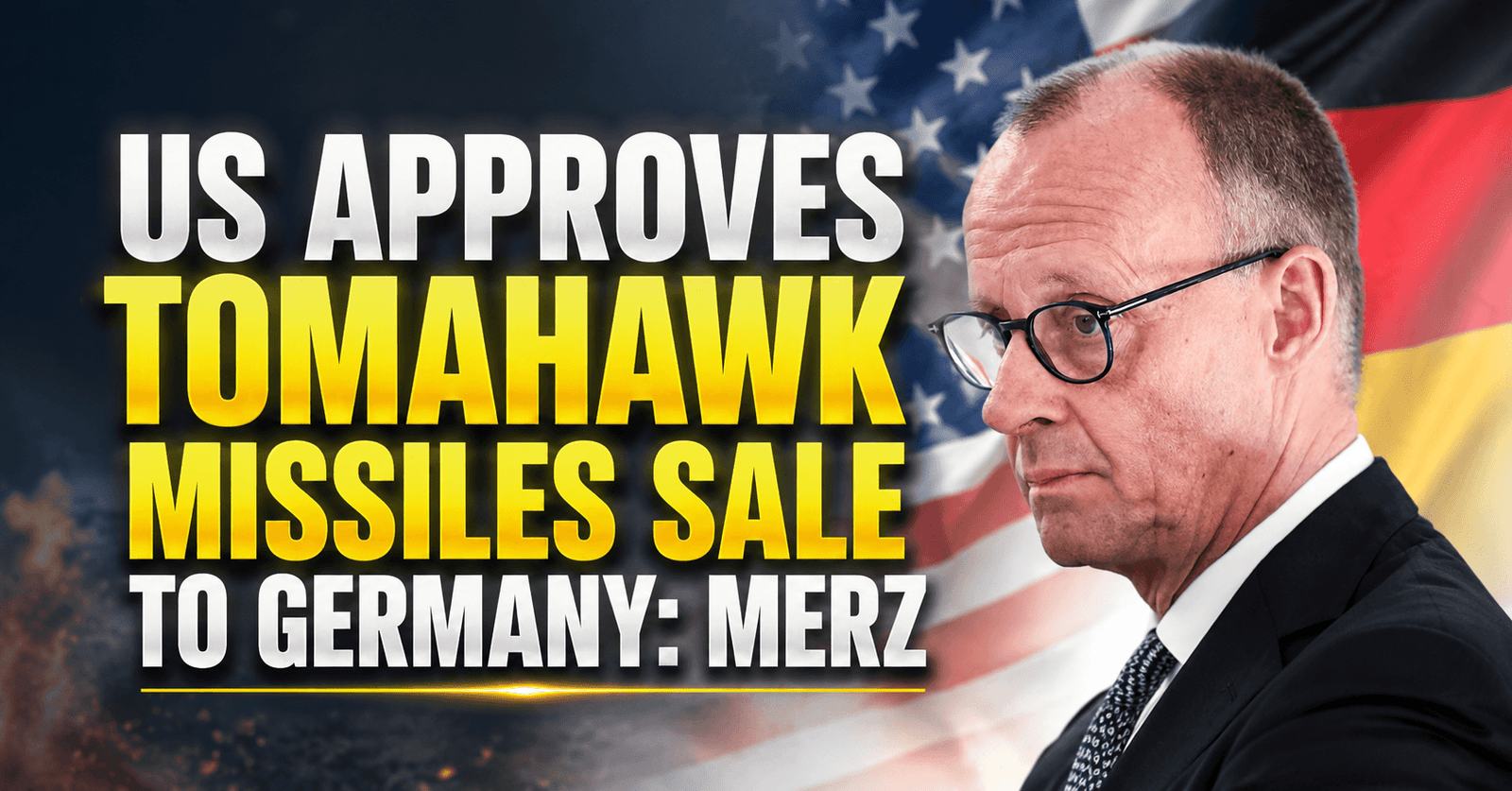
Berlin just got its missiles back on track. After months of mixed signals, a public spat with Washington, and fears the deal was dead, Germany says the United States has formally approved the sale of long-range Tomahawk cruise missiles.
Chancellor Friedrich Merz delivered the news himself, in parliament, on July 9.
US Approves Tomahawk Missiles Sale to Germany: What Merz Announced
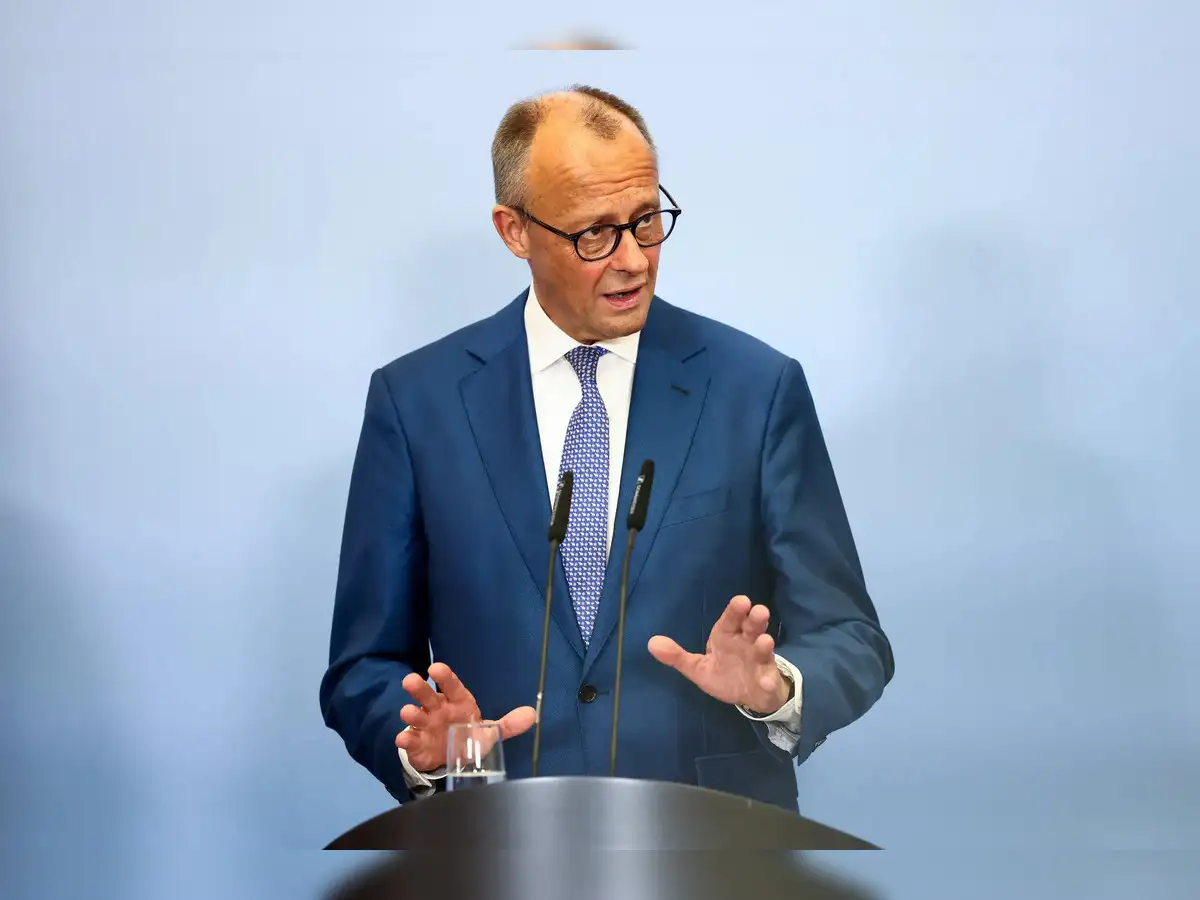
Tomahawk missiles Germany talks reached a breakthrough at the NATO summit in Ankara. Merz told MPs that on the sidelines of the NATO meeting, Germany and the American government agreed that American Tomahawk missiles would be purchased by Berlin and stationed on German soil.
He framed it as more than a weapons purchase. Merz said the move would close an important strategic gap in Germany’s defenses, while Berlin simultaneously works on developing its own European missile systems for future deployment. That dual-track message — buy American now, build European later — has become Merz’s signature line on defense.
Inside the Deal: Numbers, Systems, and Strategic Gap

The scale of what’s being discussed is significant. Earlier reporting indicated Germany intends to procure roughly 400 Tomahawk Block Vb missiles alongside three Typhon ground-launch systems, in a package valued at approximately €1.37 billion.
Key figures behind the deal:
- Range: Tomahawks are mainly launched from submarines and warships and can travel more than 1,600 kilometers (1,000 miles)
- Cost: roughly €1.37 billion for missiles and Typhon launch systems combined
- Defense minister’s framing: Boris Pistorius told the Ankara summit there was “a significant strategic gap in deterrence” when it came to medium-range weapons, adding “we want to close this gap”
- Origin of the plan: a 2024 Washington agreement had originally set out stationing long-range US cruise missiles in Germany from 2026
Those original 2024 plans covered more than Tomahawks alone. Multipurpose and hypersonic missiles were also meant to rotate through German territory intermittently, before the current US administration reversed course.
From Feud to Deal — How the Merz-Trump Rift Shaped the Reversal
This wasn’t a smooth negotiation. Tomahawk missiles Germany deployment plans nearly collapsed in May, when Merz publicly suggested the arrangement — first announced under Joe Biden — was effectively being called off.
At the time, Merz pointed to depleted American weapons stocks, citing the wars in Iran and Ukraine as the drain. That comment didn’t sit well in Washington. Donald Trump responded by calling Merz’s performance as chancellor “terrible” — a rare public jab between allied leaders.
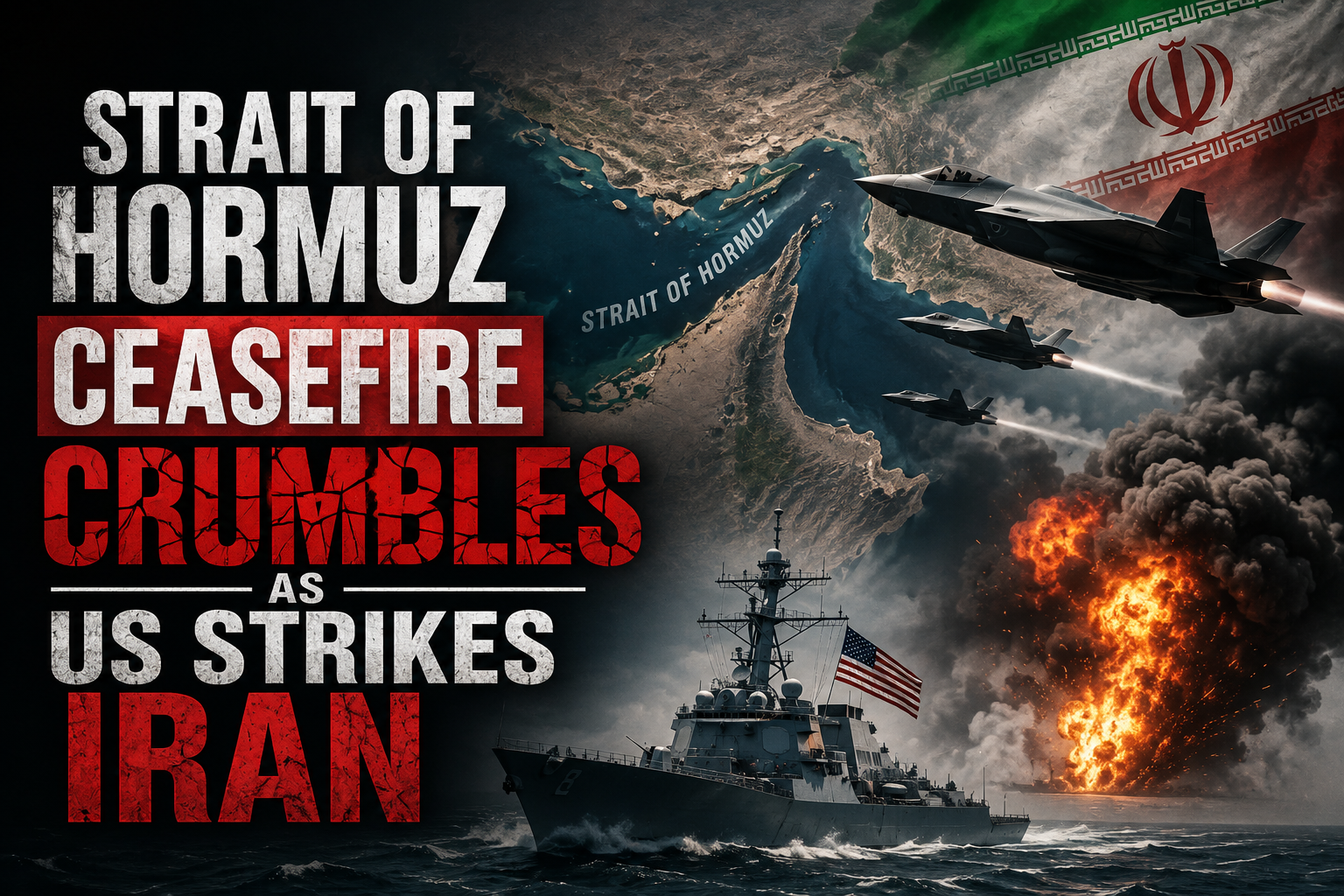
READ MORE: Strait of Hormuz Ceasefire Crumbles as US Strikes Iran
The tension escalated further. Reports indicate Washington moved to withdraw thousands of American troops from German soil following Merz’s criticism of US actions during the Iran conflict, deepening uncertainty over the entire transatlantic defense relationship at a moment NATO could least afford it.
Why Depleted US Stockpiles Are Complicating Delivery

Approval is one thing. Delivery is another.
The Pentagon’s Tomahawk reserves have been stretched thin. Estimates from CSIS suggest over 1,000 Tomahawks — roughly 30% of the total US arsenal — have already been expended in recent operations, leaving allies waiting in line.
Germany won’t be first. Japan ordered 400 Tomahawks and 14 control systems back in January 2024 for $1.7 billion — and as of this year, not a single missile had been delivered, with the first equipped destroyer not expected ready until September. US officials have separately warned Tokyo of further delays as the Pentagon prioritizes replenishing stocks used against Iran.
That timeline is a warning sign for Berlin. Approval doesn’t guarantee a fast rollout.
Germany’s Push for European Missile Independence
Berlin isn’t putting all its eggs in the American basket. Germany approved funding in late December 2025 for the Taurus Neo, a next-generation missile with a declared range of around 1,000 km.
Europe’s collective options remain limited, though:
- The MBDA-led Land Cruise Missile under the ELSA program has shown little public progress since 2024, with delivery unlikely before 2028
- France’s MdCN cruise missile line was halted mid-2010s after existing orders were filled, and Paris is only now planning to resume production
- No European nation currently mass-produces a cruise missile matching Tomahawk’s 1,600 km range
That capability gap is precisely why analysts argue Berlin had little choice but to pursue the American option, even amid political friction.
Expert and Official Reactions

Merz used the announcement to draw a bigger picture about European defense autonomy. He said Europeans “have realized that we cannot simply outsource our security,” adding that Germany is “responsible for our own security” while NATO remains a transatlantic alliance.
He also linked the deal to Germany’s broader defense posture. At the Ankara summit’s opening, Merz noted Germany had doubled defense spending since Russia’s invasion of Ukraine began, and would raise it to 124 billion euros in 2026, calling Russia a “serious threat” to Europe’s security.
Separately, Merz said European NATO allies and Canada plan to commit at least 70 billion euros annually in military aid to Ukraine through 2026 and 2027.
What This Means for NATO and Global Security
The Tomahawk deal is a small piece of a much larger recalibration. Washington is pushing European allies to shoulder more of their own conventional defense burden, while trimming its own troop footprint on the continent.
For Germany, securing Tomahawks fills an immediate deterrence gap against Russia’s medium-range missile capabilities, including systems based in Kaliningrad. But the delivery delays facing Japan suggest Berlin’s wait could stretch well beyond the political announcement.
Longer term, the episode reinforces a theme running through this year’s NATO summit: allies publicly reaffirming unity while quietly building the case for European strategic independence — missile by missile, euro by euro.