
Oil Waters on Fire: US and Iran Trade Blows as Strait of HormuzCeasefire Hangs by a Thread
The fragile peace that world leaders spent weeks negotiating is now fracturing in real time — and the world’s most critical oil chokepoint is once again at the centre of it all.
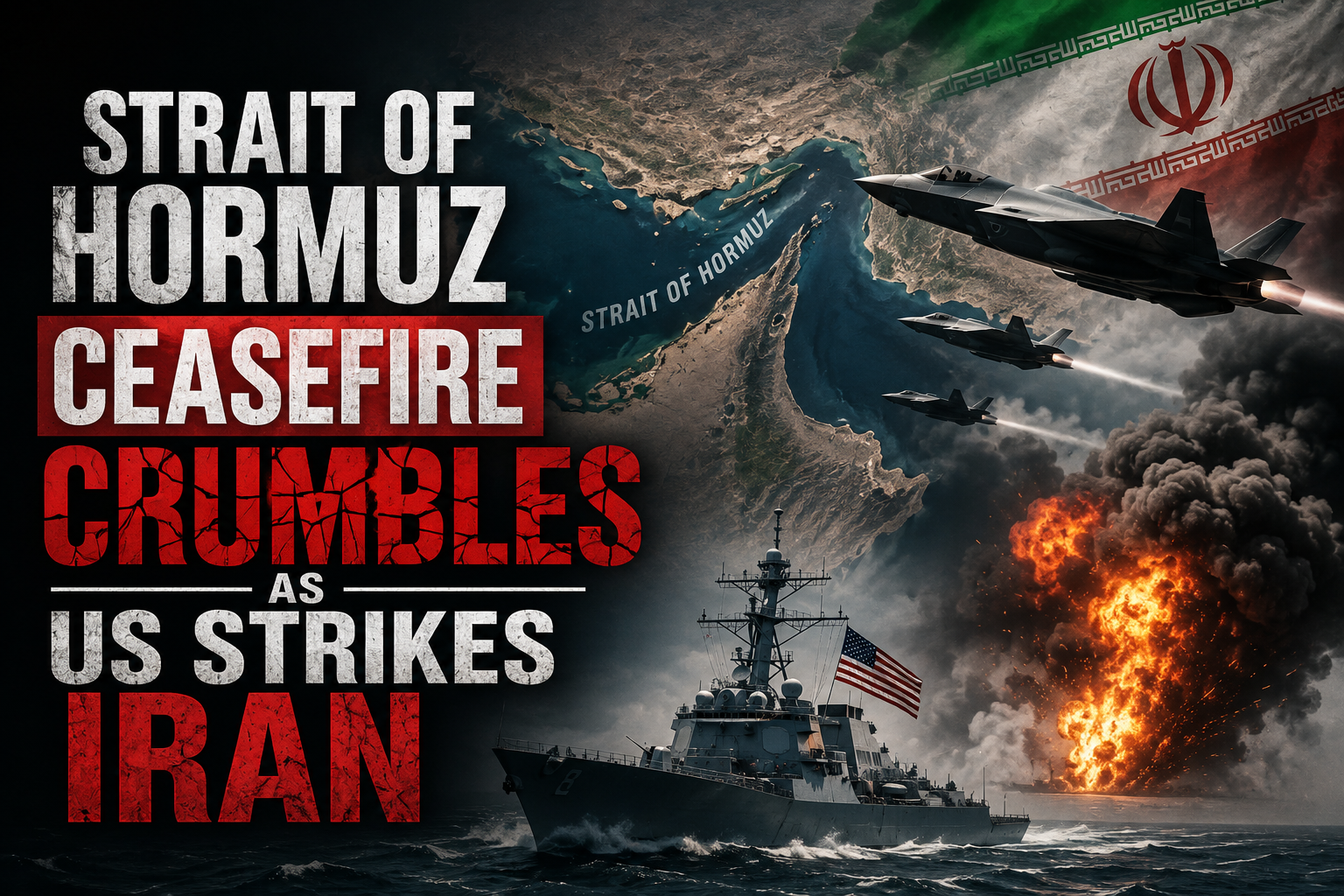
On Friday, 27 June 2026, the United States launched military strikes against Iran after President Donald Trump publicly accused Tehran of a “foolish violation” of the Strait of Hormuz ceasefire agreement.
Iran’s Islamic Revolutionary Guard Corps had fired at least four one-way attack drones at commercial ships passing through the strait, with one drone striking the upper deck of a large cargo vessel — causing damage, though the ship was able to continue on its way.
US Central Command confirmed its aircraft struck Iranian missile and drone storage facilities along with coastal radar sites in retaliation. Iran hit back, claiming it targeted US-linked positions in the region. Within hours, what had been billed as a historic peace framework was looking increasingly like a countdown to renewed war.
How Did It Come to This?
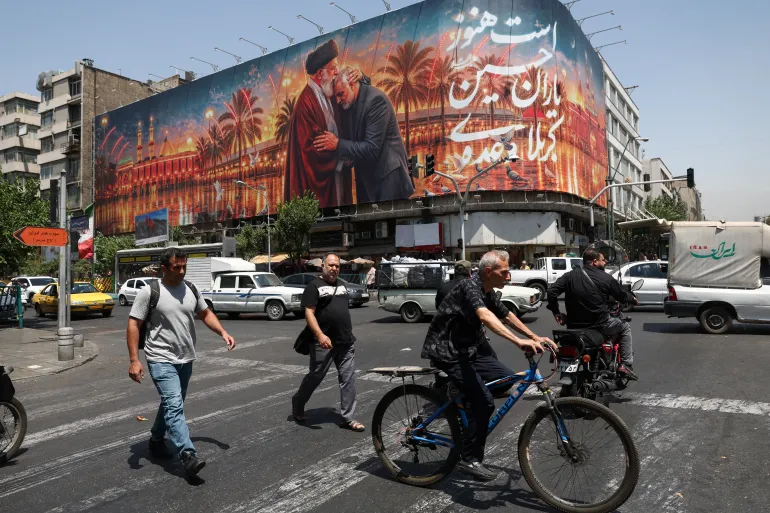
To understand what happened on Friday, you have to go back to late February.
The 2026 Iran war began on 28 February, when the United States and Israel launched airstrikes against Iran, killing its supreme leader and destroying a large number of military and government targets. Iran responded with missile and drone strikes against US bases and allied countries across the Middle East — and closed the Strait of Hormuz.
Until the war started, roughly 25% of the world’s seaborne oil trade and 20% of global liquefied natural gas passed through that narrow waterway.
Almost immediately after Iran blocked it, tanker traffic dropped to nearly nothing. Major shipping companies including Maersk, CMA CGM, and Hapag-Lloyd suspended all transits. The economic shockwaves were felt from Asia to Europe.
After weeks of fighting and failed diplomacy — including collapsed talks in Islamabad in April — the two sides eventually agreed to a ceasefire framework. On 17 June, US President Trump and Iranian President Masoud Pezeshkian signed a memorandum of understanding designed to bring the conflict to a formal end within 60 days. The world exhaled.
That exhale didn’t last long.
The Drone Strike That Broke the Peace
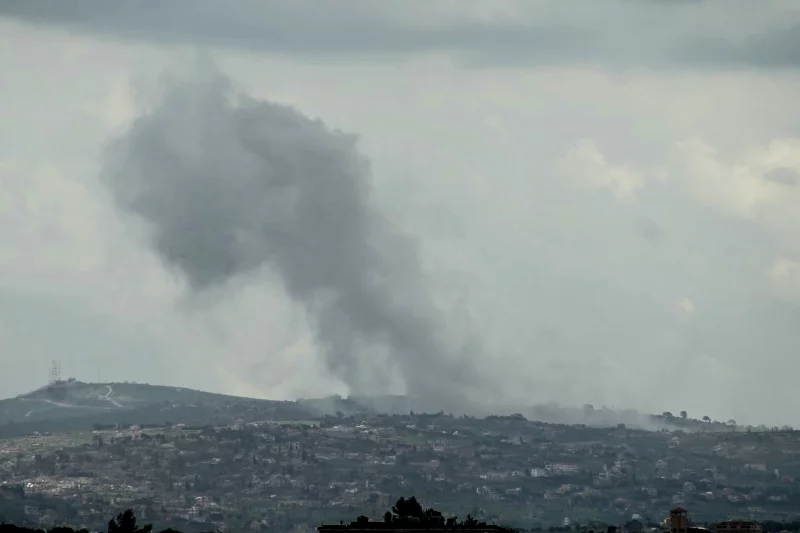
On Thursday, an IRGC drone struck a Singapore-flagged cargo ship in the Strait of Hormuz — an incident confirmed by two US officials. The International Maritime Organization announced it was temporarily pausing its vessel evacuation operation in the region in response.
Trump wasted no time in going public. He posted on Truth Social calling it a clear ceasefire violation, describing the drone strike and the US military’s response in unusually blunt terms. Vice President JD Vance also weighed in on X, writing that the US had honoured the ceasefire agreement, and warning that “violence will be met with violence.”
Iran’s position was the exact opposite. The IRGC released a statement saying the US had itself violated the ceasefire by permitting a ship to pass through what Tehran described as an “unauthorised route” in the strait.
The statement referenced Clause 5 of the Islamabad Memorandum of Understanding, which, according to Iran, gives the Islamic Republic authority over passage arrangements through the Strait of Hormuz.
In other words — both sides are pointing fingers, and both sides have opened fire.
What the Ceasefire Was Supposed to Look Like
The June 17 agreement was never simple. It emerged from months of failed proposals, counter-proposals, and last-minute interventions from Pakistan and China.
Earlier in the crisis, the US had put forward a 15-point ceasefire proposal delivered via Pakistani officials — demanding an end to Iran’s nuclear programme, limits on its ballistic missiles, reopening of the Strait of Hormuz, and restrictions on Iran’s support for armed groups like Hezbollah. Iran rejected it outright, with one official stating that Tehran would “end the war when it decides to do so.”
Iran’s counter-demands were no less ambitious — including war reparations, the withdrawal of all US forces from regional bases, and international recognition of Iranian sovereignty over the Strait of Hormuz.
What was eventually signed in June was meant to be a 60-day cooling-off period — a window for negotiators to hammer out the harder details. JD Vance had even travelled to Switzerland the previous weekend for follow-up talks with Iranian counterparts. The deal looked like it might hold.
Then came the drones.
The Strait of Hormuz: Why It Matters So Much
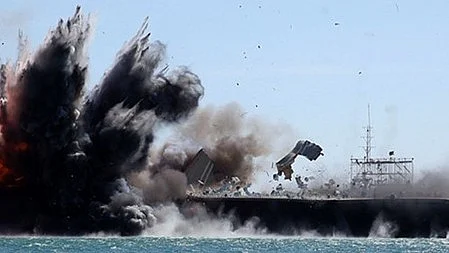
For those wondering why a narrow strip of water between Iran and Oman keeps pulling the world to the brink — the numbers tell the story.
- About 20% of the world’s oil supply passes through the Strait of Hormuz, making it one of the most strategically vital maritime corridors on Earth.
- The International Maritime Organization reported in April that around 20,000 mariners and 2,000 ships were stranded in the Persian Gulf due to the blockade.
- The disruption caused fuel shortages in parts of Asia and sent energy prices into turmoil across global markets.
Iran understands this leverage intimately. Closing — or threatening to close — the strait is one of the few economic weapons Tehran has that can genuinely hurt Western economies and their allies. That’s exactly why control over it has been a core sticking point in every round of ceasefire negotiations.
Adding another layer of complexity, an Iranian negotiator has indicated that Tehran intends to resume collecting transit fees from vessels passing through the strait once the 60-day suspension expires — a move that would almost certainly trigger another confrontation.
Lebanon Pulls the Thread Loose
The current breakdown didn’t come entirely out of nowhere. By 9 April, there were already signs that the earlier ceasefire arrangement was unravelling — ships were once again being blocked from moving through the strait, and Iran was accusing both Israel and the US of violating the truce through continued attacks in Lebanon.
That pattern has repeated itself. Each time Israel launches strikes in Lebanon, Iran uses it as justification to tighten restrictions on the Strait of Hormuz or escalate its own military posture. The Lebanon front, the Hormuz front, and the nuclear negotiation track are all tangled together — pulling on one thread risks unravelling all three.
READ MORE: Venezuela Earthquake: 235 Dead as World Rushes to Help
Israel and Lebanon were, as of Friday, beginning a fourth day of peace talks in Washington DC — a sign that diplomacy hasn’t completely collapsed. But the drone strike on Thursday has now put those talks under enormous pressure.
The Global Economic Fallout Continues
Beyond the military and political dimensions, the economic damage from this crisis has been severe and ongoing.
The 2026 Iran war disrupted global travel and trade, halted flights in and out of the Middle East, and led to major shipping reroutes away from both the Strait of Hormuz and the Red Sea. Energy-importing countries in Asia were hit particularly hard, scrambling to find alternative supply routes as tanker insurance premiums skyrocketed.
Before the war, war-risk ship insurance for strait transits had already risen sharply in the weeks leading up to the conflict — from 0.125% to between 0.2% and 0.4% of insured value per trip. For very large oil tankers, that translated to a jump of over a quarter of a million dollars per transit. Those costs have only climbed since.
With the ceasefire now under serious strain and fresh military strikes exchanged on Friday, the prospect of shipping normalising anytime soon looks remote.
What Happens Next?
The 60-day memorandum signed on 17 June is still technically in effect — but only just. Both Washington and Tehran are now accusing each other of breaking it, which makes the next few days critical.
Negotiators from multiple countries — Pakistan, China, Oman — have previously played mediating roles in this conflict, and there is likely to be quiet diplomatic pressure behind the scenes to pull both sides back from the edge. The IAEA Director General has indicated he expects Iran to allow nuclear inspectors back into the country — a signal that some channels of diplomacy remain open.
But on the ground — or rather, on the water — the situation as of this weekend is volatile. US military assets remain in the region. Iran’s IRGC has made clear it will respond to any vessel it deems in violation of its maritime authority. And a cargo ship is sitting somewhere in the Strait of Hormuz with a drone-damaged upper deck as a very tangible reminder of just how quickly things can escalate.
Final Thought
The Strait of Hormuz ceasefire was always going to be difficult to hold. It was built on competing national interests, unresolved territorial disputes, and a war that neither side fully wanted to admit it had lost. What happened on Friday — drones, airstrikes, and social media accusations exchanged in real time — is a sobering illustration of just how fragile this peace really is.
The world will be watching the next 48 hours very closely.
What do you think — can the ceasefire be salvaged, or is a return to full-scale conflict inevitable? Share your thoughts in the comments below.