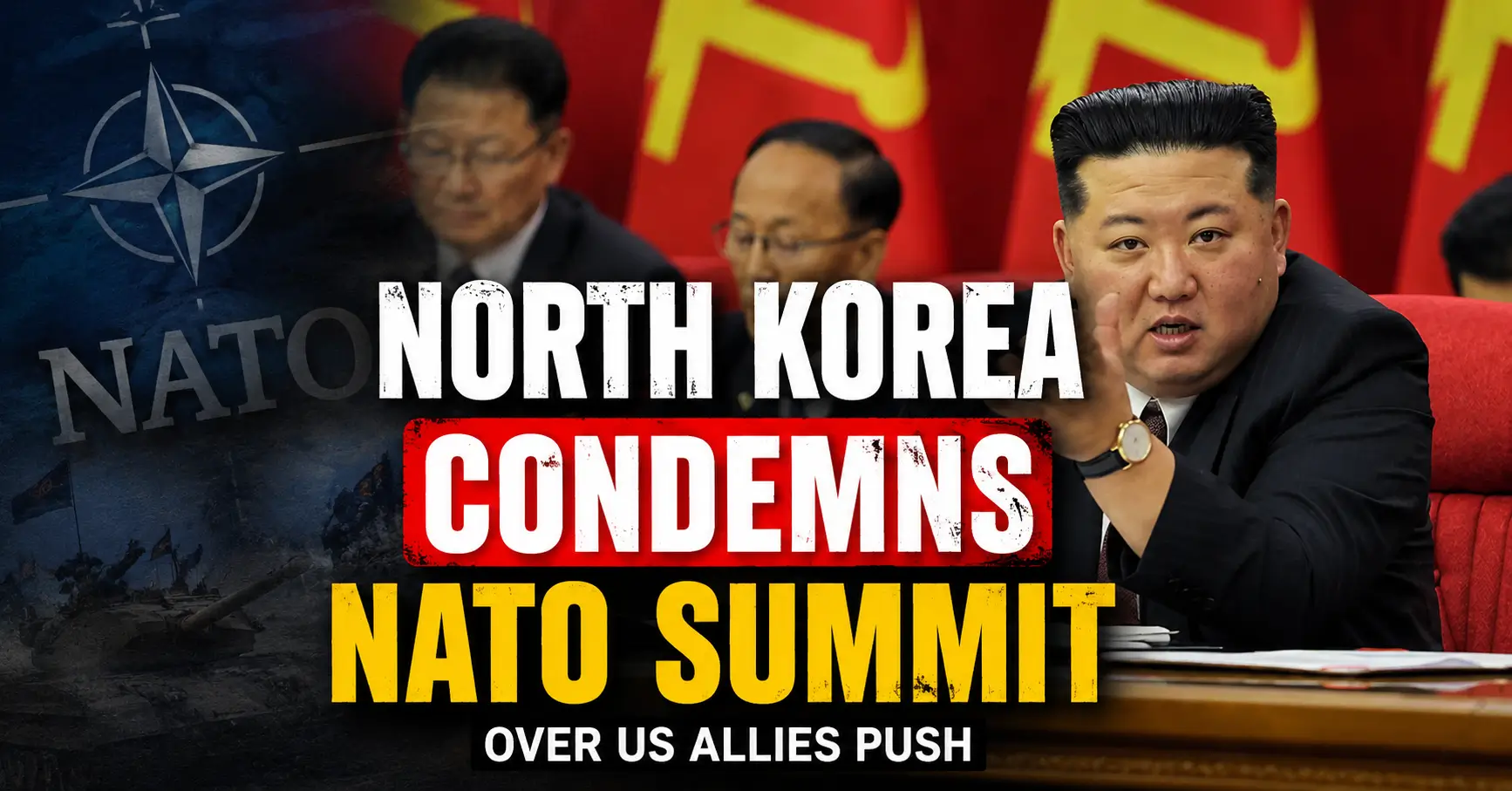

Pyongyang has fired back at NATO, and this time the target isn’t just Washington. North Korea condemns NATO summit outcomes as proof the alliance is deepening a “war and confrontation” agenda that stretches from Europe into the Asia-Pacific.
The statement, issued through North Korea’s Foreign Ministry on Saturday, arrives days after alliance leaders wrapped up a high-stakes gathering in Turkiye. It’s a familiar script from Pyongyang — but the timing and specifics matter.
What Pyongyang’s Foreign Ministry Actually Said

North Korea condemns NATO summit decisions in unusually pointed language, accusing the bloc of portraying North Korea’s exercise of its legitimate sovereign rights as a threat. That framing puts Pyongyang firmly on the defensive rhetorically, even as it goes on the offensive diplomatically.
According to the ministry’s statement carried on state media KCNA, the alliance demonstrated a stronger commitment to bloc-to-bloc confrontation through increased arms spending and closer military cooperation with allies in the Asia-Pacific region. Key points from the statement:
- NATO is accused of pursuing exclusive geopolitical interests over regional peace
- Pyongyang says its nuclear posture is a sovereign, non-negotiable matter
- The ministry links NATO’s actions directly to Indo-Pacific security tensions
The $50 Billion NATO Deal Behind the Backlash

Money talks, and this summit moved a lot of it. At the NATO summit in Turkey on Tuesday, officials announced more than $50 billion in military procurement and industrial agreements, a figure that has clearly rattled Pyongyang’s calculus.
That spending push didn’t happen in a vacuum. European allies face continued pressure from U.S. President Donald Trump to shoulder a greater share of the alliance’s defence burden, reshaping how NATO allocates resources and where it looks for partners next.
Why North Korea Says Denuclearisation Must Start With US Allies
Here’s the core of Pyongyang’s argument, and it’s worth unpacking carefully. North Korea condemns NATO summit rhetoric on denuclearisation by flipping the demand back onto Washington’s own partners.
Pyongyang says a push by the West for it to abandon nuclear weapons has been irreversibly terminated. Instead, the ministry insists denuclearisation efforts should focus first on what it described as attempts by South Korea and Japan to pursue their own nuclear weapons under U.S. protection, along with NATO members inside nuclear-sharing arrangements.
READ MORE: Shocking: Ex-Ethiopian Airlines Chief Could Become PIA CEO
This isn’t a new position, but restating it right after a major NATO summit signals Pyongyang wants its rejection of talks documented on the record, not left ambiguous.
South Korea’s Lee Jae Myung and NATO’s Asia-Pacific Push

Seoul’s own posture at the summit only sharpened Pyongyang’s reaction. President Lee Jae Myung of Pyongyang’s rival South Korea said on the sidelines of the summit that he hoped Seoul would expand cooperation with NATO allies in research and development, including cutting-edge technologies and weapons production.
For Pyongyang, that’s confirmation of exactly the pattern it warns against — Seoul deepening security ties with the West rather than pulling back. It reinforces the North’s narrative that regional militarisation, not its own arsenal, is the destabilising force.
Analyst Perspective: Bloc Politics or Genuine Security Fear?
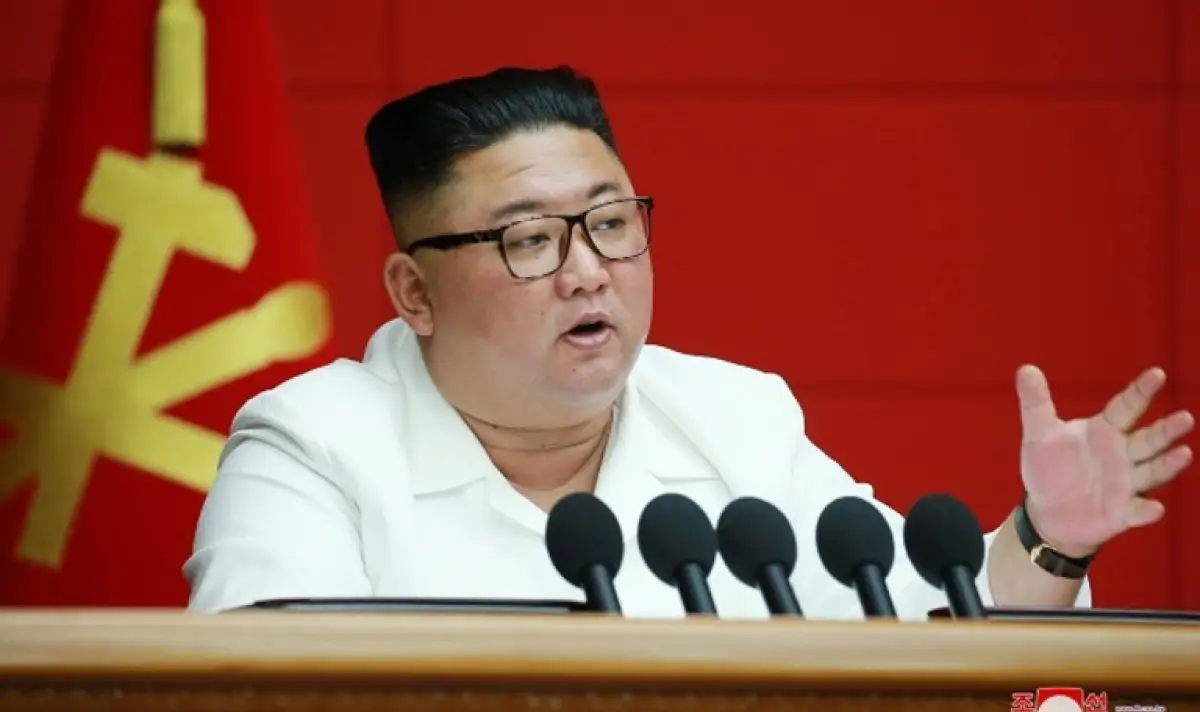
Regional security analysts have long argued Pyongyang’s statements serve a dual purpose — domestic legitimacy and international bargaining position.
North Korea condemns NATO summit outcomes partly because the alliance’s outreach beyond Europe threatens its narrative of being encircled by hostile, disconnected actors.
Some observers note North Korea’s language mirrors past reactions to AUKUS and US-Japan-Korea trilateral drills, suggesting a consistent strategy:
- Reject denuclearisation calls as one-sided
- Reframe Western alliances as the true destabilising force
- Use ally rhetoric (Japan, South Korea) to justify its own arsenal
What This Means for Regional Stability
The bigger question is whether this rhetoric changes anything on the ground. So far, Pyongyang’s position has hardened rather than softened since it formally embedded its nuclear status in domestic law years ago.
With NATO’s Asia-Pacific outreach growing and Seoul signalling closer defence-industrial ties, the gap between Pyongyang and Washington’s allies looks wider than it has in years. Diplomatic channels remain effectively frozen for now.