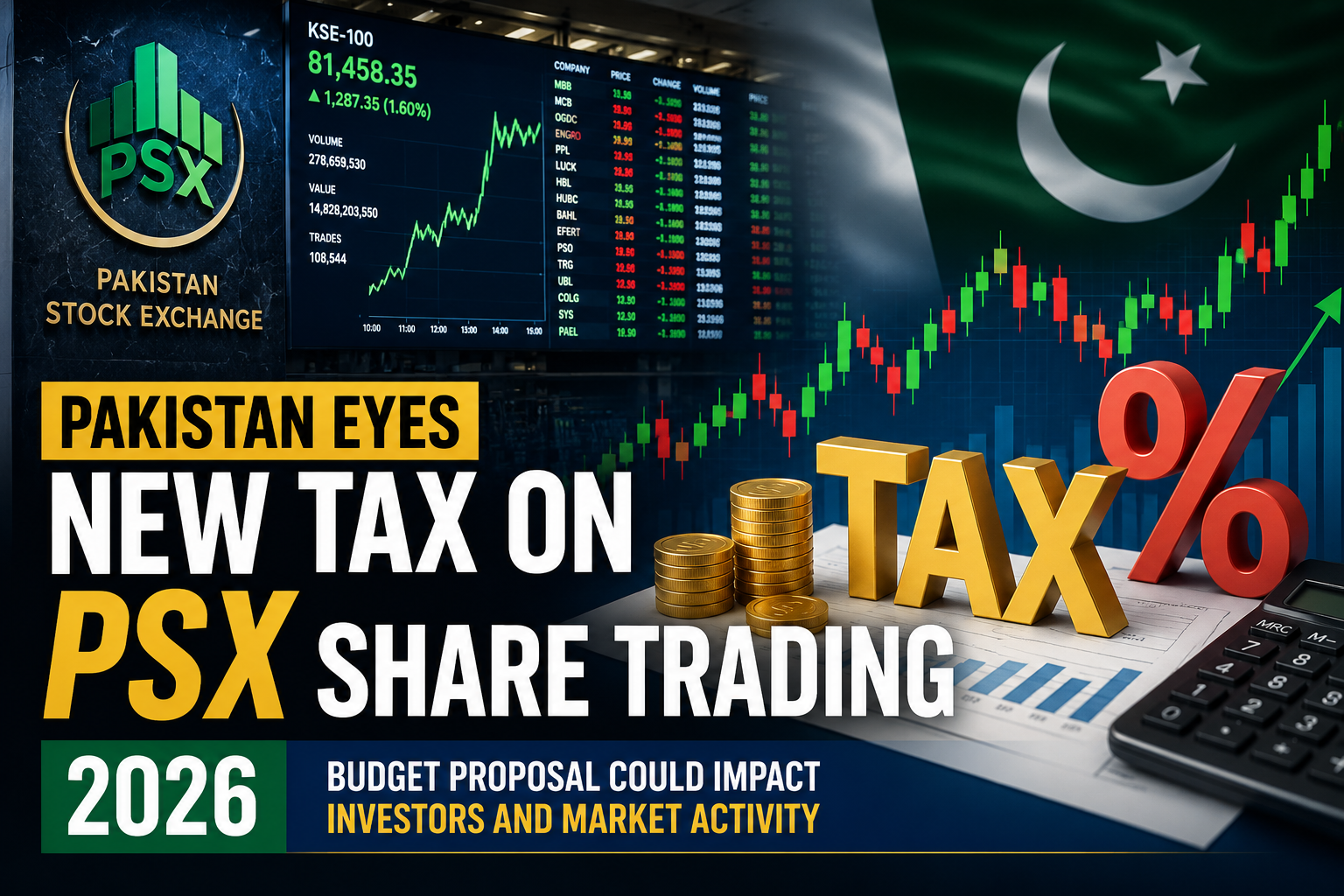
Budget makers in Islamabad are reported to be weighing a 0.1% transaction tax on equity trades at the Pakistan Stock Exchange, ahead of the FY2026-27 federal budget presentation on 5 June.
Key Takeaways
- Pakistan’s government is considering imposing a 0.1% transaction tax on the buying and selling of shares listed on the Pakistan Stock Exchange (PSX), according to unconfirmed market reports published on 1 June 2026.
- The proposal has not been officially confirmed and would require approval from Prime Minister Shehbaz Sharif at a Federal Cabinet meeting on 5 June — the same day the FY2026-27 federal budget is due to be presented to parliament.
- Investor sentiment at the PSX turned cautious on Monday, as uncertainty over potential new equity taxation weighed on trading activity ahead of the budget announcement.
What happened
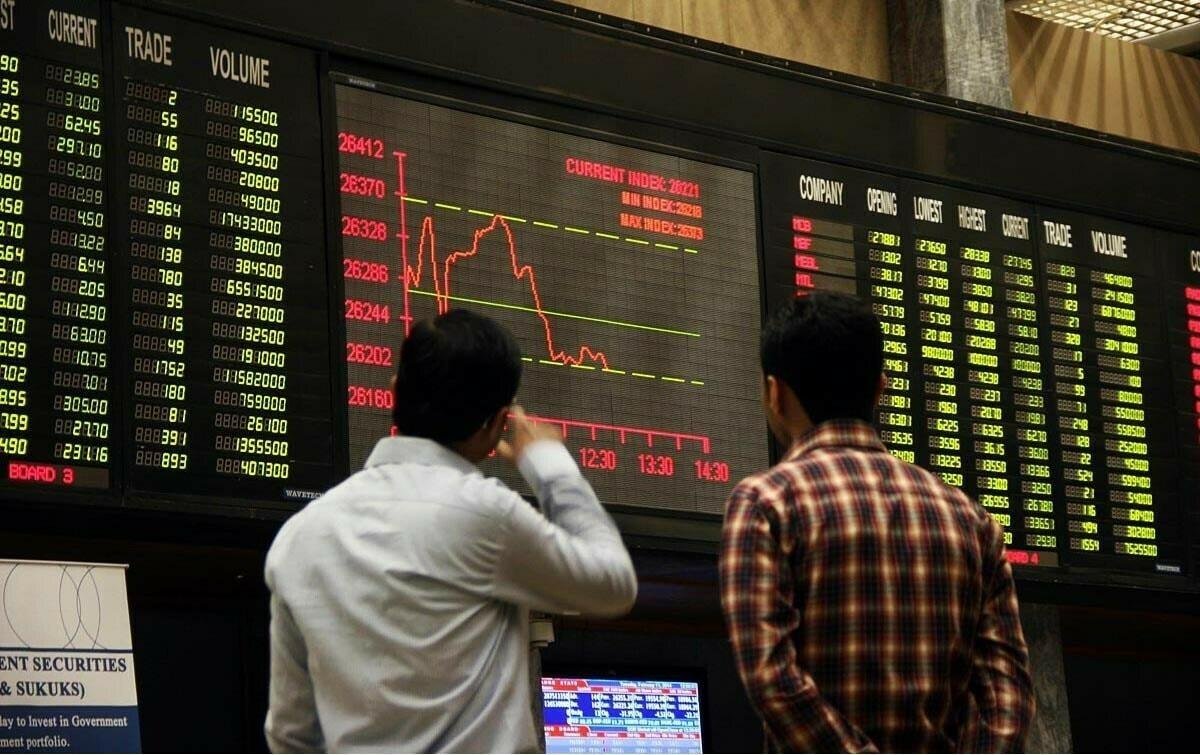
Reports circulating in Pakistani financial markets on Monday suggested that budget planners in Islamabad are examining a proposal to levy a 0.1% tax on all share purchases and sales at the Pakistan Stock Exchange (PSX). Unconfirmed
According to News, which first reported the story, the measure is intended to generate additional government revenue from stock market activity. The proposal, if adopted, would represent a new form of taxation on equity trading, separate from the existing Capital Gains Tax (CGT) charged on the disposal of listed securities.
Any formal move to introduce such a tax would need sign-off from Prime Minister Shehbaz Sharif at a special Federal Cabinet meeting scheduled for the morning of 5 June 2026 — hours before the budget is due to be laid before the National Assembly.
Why it matters

For UK investors and businesses with exposure to Pakistani equities — including through frontier market funds or direct holdings — any new transaction levy would raise the cost of trading on one of Asia’s fastest-growing stock exchanges. The PSX has attracted increasing international attention in recent years after its inclusion in the MSCI Frontier Markets Index.
More broadly, the reported proposal reflects the pressure Pakistan’s government is under to raise tax revenues substantially. According to the government’s own pre-budget projections, the Federal Board of Revenue (FBR) is expected to collect approximately Rs15.3 trillion during FY2027 — growth of between 14% and 20% on the current year’s revised estimate, as reported by Pakistan Today. Meeting that target under International Monetary Fund (IMF) programme conditions will require identifying new revenue streams.
Pakistani financial markets tend to react sharply to budget-related uncertainty. On Monday, investors at the PSX adopted a notably cautious stance, according to multiple market reports, in direct response to unconfirmed speculation about the proposed transaction tax.
Background and context
Pakistan’s FY2026-27 federal budget — to be presented by Finance Minister Muhammad Aurangzeb — carries a total proposed outlay expected to exceed Rs17.8 trillion, according to Business Recorder. The government has set a GDP growth target of 4.1% and an average inflation projection of 8.4% for the coming fiscal year.
Budget-making is being conducted under the terms of Pakistan’s ongoing arrangement with the IMF, which has pushed for aggressive fiscal consolidation including higher tax collection and reduced deficit spending.
The PSX, headquartered in Karachi, traces its roots to the Karachi Stock Exchange founded in 1947 and today operates as a fully demutualised exchange.
At present, investors trading listed securities are subject to CGT, which has been collected by the National Clearing Company of Pakistan Limited (NCCPL) on a monthly basis. Following amendments introduced through the Finance Act 2025, most investors now face a flat 15% CGT rate, according to financial advisory platform Finqalab.
The proposed transaction tax, if distinct from CGT, would mark a structurally different approach — applying at the point of every trade rather than only upon the realisation of a gain. This type of levy is common in several other markets: the United Kingdom itself operates a 0.5% Stamp Duty Reserve Tax (SDRT) on electronic share purchases listed on UK exchanges.
Expert view
“At this stage, these are market rumours and not a confirmed policy decision. Even small changes in tax structure can impact short-term trading volumes.”
— A senior Karachi-based broker, 1 June 2026
The broker’s remarks align with the broader market response. Analysts note that even speculative reports of new equity taxes are enough to dampen sentiment in Karachi, particularly given that last year’s budget was broadly welcomed by investors precisely because it introduced no new taxes on stock market activity.
In June 2025, PSX shares hit an all-time high of 124,000 points in the days around that budget announcement, according to Dawn, with research director Awais Ashraf of AKD Securities attributing the rally to the “absence of any new taxes or levies on the stock market”.
Should the transaction tax be confirmed, analysts would likely assess its impact on daily traded volumes, which could fall if market participants judge the additional levy too costly — particularly for high-frequency or shorter-horizon traders.
What happens next
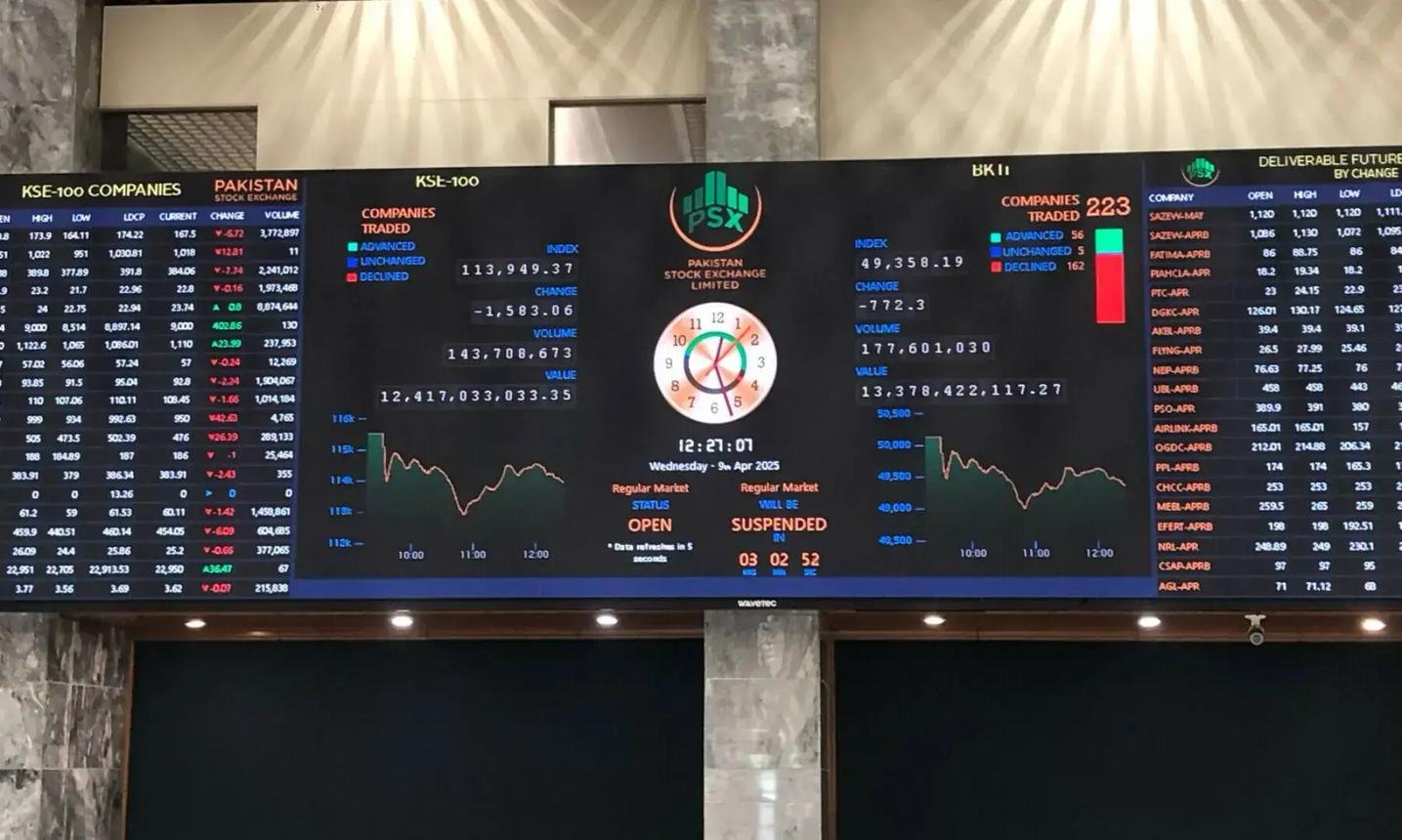
The critical date is Friday, 5 June 2026. A special Federal Cabinet session in the morning will consider the budget before Finance Minister Aurangzeb presents it to a joint session of the National Assembly and Senate in the evening. President Asif Ali Zardari has already formally summoned both houses for that session, according to Business Recorder.
Whether the proposed transaction tax features in the final budget documents — or is dropped as a result of market pressure — will become clear only then. Investors and market participants in Pakistan are likely to remain in wait-and-see mode until an official government statement is issued or the full budget text is released.
People also ask
What is the proposed PSX transaction tax in Pakistan’s budget?
Pakistani budget planners are reported to be considering a 0.1% tax levied on every purchase and sale of shares at the Pakistan Stock Exchange. The proposal has not been officially confirmed and was still described as speculative by market participants as of 1 June 2026.
When is Pakistan’s 2026-27 federal budget being announced?
A: Pakistan’s FY2026-27 federal budget is scheduled to be presented to the National Assembly on 5 June 2026, following a Federal Cabinet meeting that morning. President Asif Ali Zardari has formally summoned sessions of both the National Assembly and the Senate for that date.
How are investors at the PSX taxed currently?
At present, investors trading shares on the Pakistan Stock Exchange are subject to Capital Gains Tax (CGT) on the disposal of listed securities. Following Finance Act 2025 amendments, most investors face a flat 15% CGT rate, collected monthly by the National Clearing Company of Pakistan Limited (NCCPL).
Key Facts
- Pakistan’s government is reportedly considering a 0.1% transaction tax on all share purchases and sales at the Pakistan Stock Exchange (PSX), according to reports published on 1 June 2026.
- The proposal is unconfirmed and would need approval from Prime Minister Shehbaz Sharif at a Federal Cabinet meeting on 5 June 2026, the same day the national budget is presented.
- Pakistan’s FY2026-27 budget is expected to exceed Rs17.8 trillion in total outlay, with the Federal Board of Revenue targeting approximately Rs15.3 trillion in tax collection.
- PSX investors are currently subject to a flat 15% Capital Gains Tax rate on the disposal of listed securities, introduced under Finance Act 2025 amendments.
- Pakistan’s federal budget for FY2025-26 did not introduce any new stock market taxes, a decision credited by analysts with helping the PSX reach an all-time high of 124,000 points in June 2025.