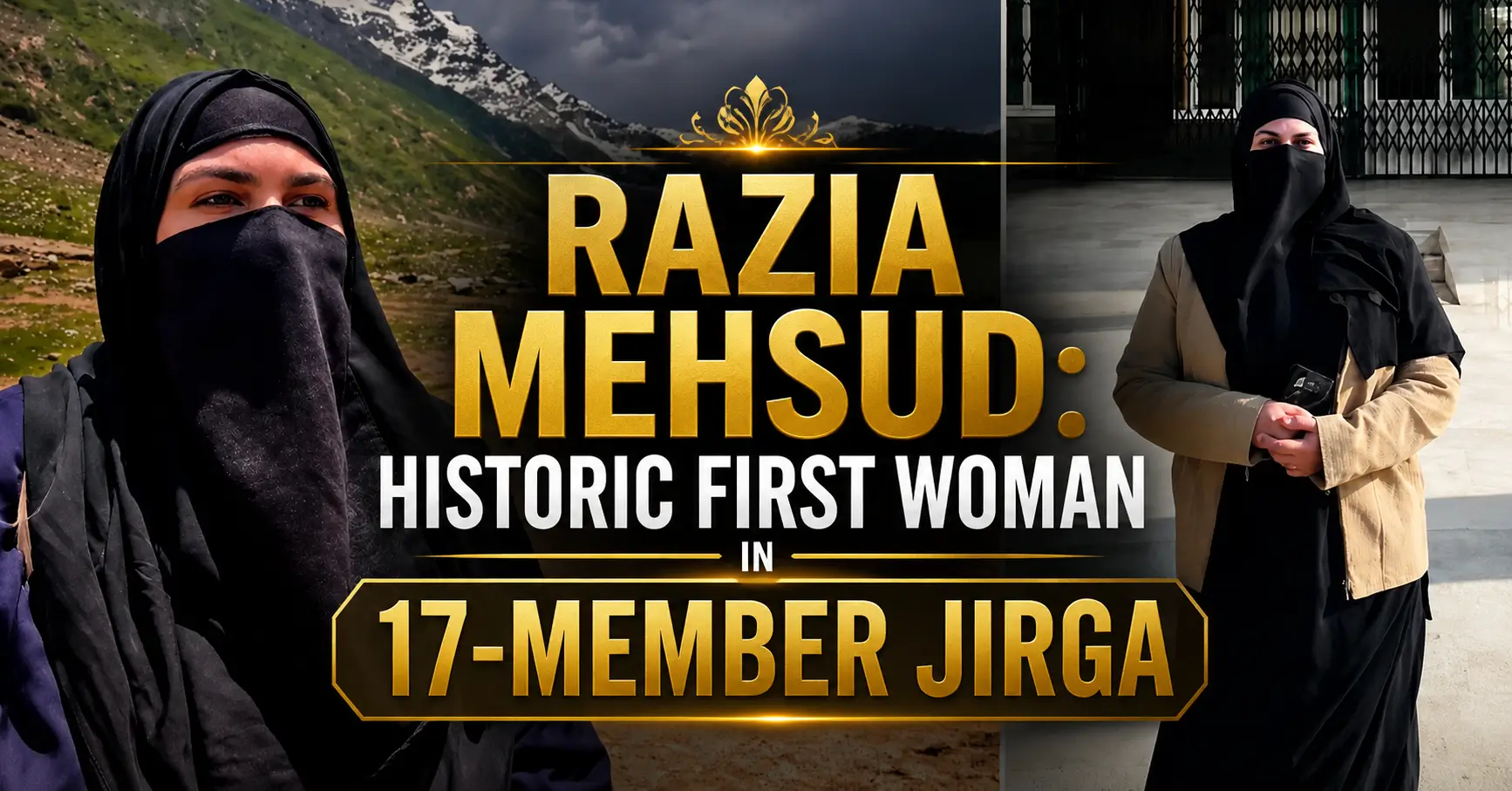

A woman has entered a space that, for generations, belonged only to men.
Razia Mehsud, a social activist from South Waziristan, has become the first woman ever appointed to the Dispute Resolution Council (DRC) in Upper South Waziristan — a body that functions much like a modern jirga, mediating local disputes outside the courtroom.
The appointment, confirmed this week, is being described across tribal and civil society circles as a genuine milestone, not a symbolic gesture.
Razia Mehsud Breaks New Ground in Waziristan’s Justice System
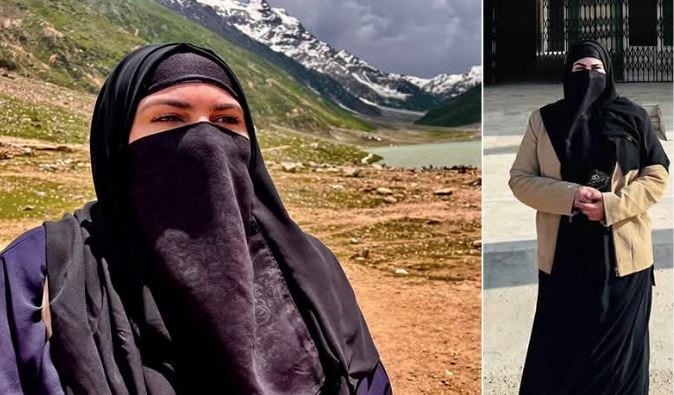
Razia Mehsud’s inclusion in the DRC ends a decades-long pattern of all-male dispute resolution forums in Upper South Waziristan. Her appointment was formalised through an official notification from the Regional Police Officer (RPO) of Dera Ismail Khan.
The 17-member council was constituted on the recommendation of Upper South Waziristan District Police Officer (DPO) Arshad Khan. Since the council’s establishment, no woman had ever sat among its members — until now.
Inside the 17-Member Dispute Resolution Council
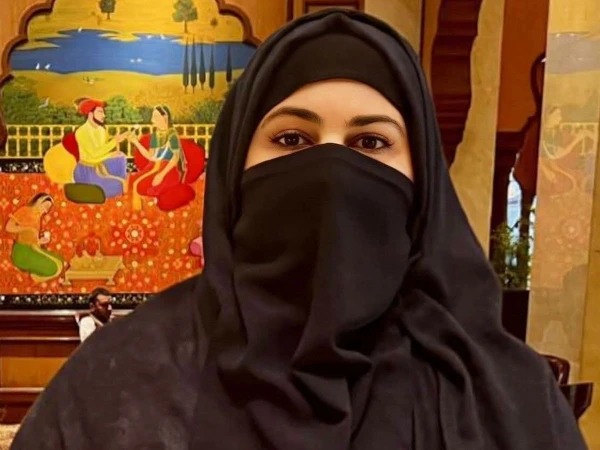
The DRC is not a traditional jirga in the strict colonial-era sense. It is a community-based mediation forum set up by Khyber Pakhtunkhwa Police, designed to:
- Resolve local disputes through mediation rather than lengthy court proceedings
- Reduce the caseload burden on the formal judicial system
- Offer a faster, community-rooted alternative for conflict resolution
- Handle family disputes, land conflicts, and community grievances
Razia Mehsud is expected to focus specifically on disputes involving women — cases that, under an all-male council, often went unheard or were resolved without female input at all.
Why This Appointment Matters for Tribal Women
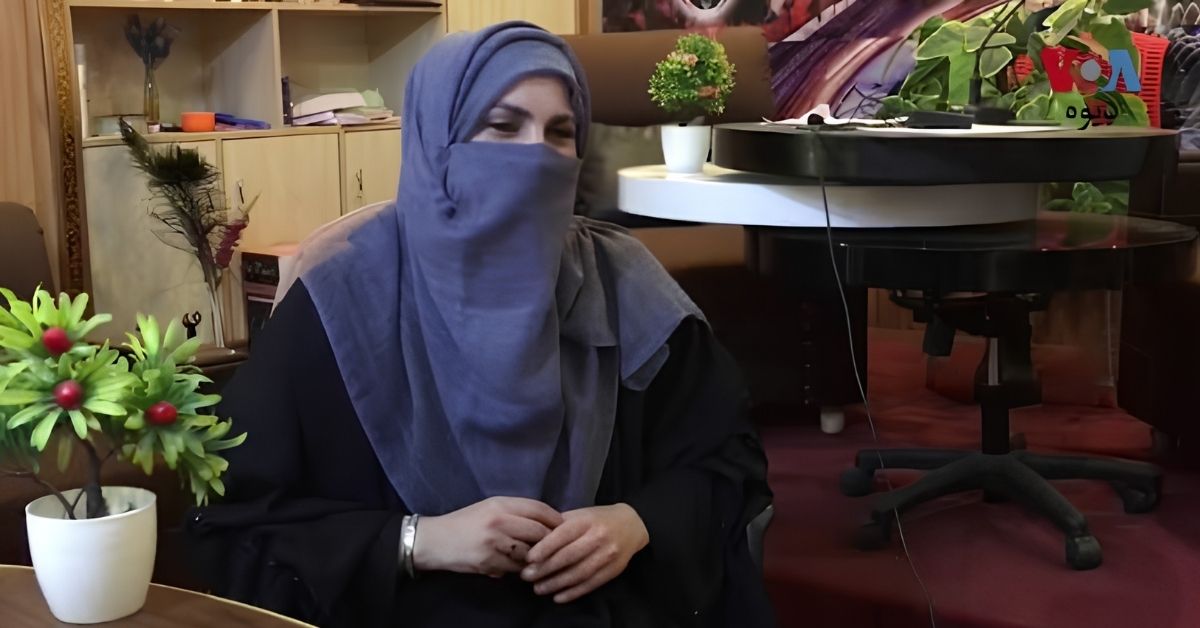
For women in Upper South Waziristan, access to justice has rarely meant a seat at the table. It has meant relying on male relatives or elders to represent their interests, often imperfectly.
Officials quoted in local reporting say Razia Mehsud’s presence is expected to strengthen the council’s ability to identify women’s concerns more accurately and make the mediation process more inclusive. That is a meaningful shift in a region where the Frontier Crimes Regulation (FCR) governed tribal life for over a century before being repealed in 2018.
READ MORE: Ziarat Attack: 15 Terrorists Killed, 9 Cops Martyred
The former FATA region merged with Khyber Pakhtunkhwa under the 25th Constitutional Amendment that year, formally extending Pakistan’s legal protections — including gender equality laws — to millions of tribal residents for the first time. Progress since then has been described by researchers as slow and uneven, particularly on women’s political and social participation.
Jirga System vs Formal Justice — The Bigger Picture
Razia Mehsud’s appointment lands at a sensitive moment in the wider debate over tribal justice.
Traditional jirgas — councils of male elders resolving disputes through customary practice rather than statutory law — have long been criticised by rights advocates for reinforcing gender discrimination and local power hierarchies. Human rights lawyer Moniza Kakar recently told international media that reviving old-style jirga systems in the merged districts would represent, in her words, a serious step backward from constitutional protections extended after the 2018 merger.
Social anthropologist Naveed Ahmad Shinwari has similarly noted that the merger — achieved after years of activism — was meant to deliver overdue rights and development to the tribal belt, even as implementation has lagged.
Against that backdrop, a police-supervised DRC with a woman member represents a different model altogether: one operating under formal oversight rather than unregulated tribal custom. Analysts see this distinction as important —
- It sits under KP Police jurisdiction, not informal tribal authority
- It offers a route to challenge or appeal outcomes through formal channels
- It creates a documented precedent other tribal districts could follow
- It signals gradual institutional change rather than wholesale reform
What Comes Next for Women’s Representation in Ex-FATA
Razia Mehsud’s appointment alone will not close the wide gender gap that persists in Khyber Pakhtunkhwa’s merged districts, where research continues to show low female participation in local governance, restricted mobility, and limited political awareness among women.
But precedents matter in tribal Pakistan, where change tends to arrive slowly and locally before it becomes policy. One DRC seat filled by a woman in Upper South Waziristan could, over time, put pressure on neighbouring tribal districts — Lower South Waziristan, North Waziristan, Kurram, Orakzai — to follow suit.
For now, the appointment stands as a rare, concrete example of institutional inclusion in a region still working through the long, unfinished process of merging its customs with the Constitution.