
Millions of households and businesses across the country may be in for a rough ride as early as next quarter. Economic analysts, energy consultants, and government watchdogs are raising alarms: gas prices may rise massively next fiscal year, potentially pushing average fuel costs to levels not seen in nearly a decade.
The warning comes at a time when global oil supply chains remain fragile, refinery capacity is stretched thin, and geopolitical tensions continue to rattle commodity markets worldwide.
What’s Driving the Expected Fuel Cost Surge?
The situation is not the result of a single factor. Instead, energy economists describe it as a “perfect storm” — a combination of overlapping pressures that have been building quietly since mid-2025 and are now converging into what could become one of the sharpest single-year spikes in retail fuel prices in recent memory.
At the core is crude oil supply. The OPEC+ alliance, which controls a significant chunk of global oil output, has maintained production cuts of roughly 2 million barrels per day since late 2023. Despite market pressure to reverse course, key members — including Saudi Arabia and Russia — have shown little appetite for increasing supply anytime soon. That ongoing constraint is keeping upward pressure on the underlying cost of crude, which directly feeds into what consumers pay at the pump.
On top of that, domestic refinery output in several major economies has not recovered to pre-pandemic levels. Several aging refinery facilities were shut down permanently between 2020 and 2022, and new capacity has been slow to come online. The result: even when crude oil is available, the infrastructure to convert it into gasoline, diesel, and jet fuel is running near its limits.
“We’re not looking at a gradual nudge upward. If current conditions hold through Q3, retail gasoline prices could jump in a way that catches consumers completely off guard.”
— Senior energy analyst, independent commodities research firm
Seasonal Demand and Global Tensions Adding to the Pressure
Another major factor is seasonal demand. Summer driving season — which typically runs from late May through early September — historically pushes gasoline consumption sharply higher. Fleet operators, logistics companies, and everyday commuters all increase fuel usage during these months. With economic activity also recovering strongly in Asia, demand projections for the coming fiscal year are tracking well above seasonal averages.
Geopolitical instability is adding further uncertainty to the mix. Continued conflict in parts of the Middle East and ongoing sanctions pressure on major oil-exporting nations have created what traders describe as a “risk premium” built into oil futures contracts. Essentially, markets are pricing in the possibility of sudden supply disruptions — even before they happen.
Key factors behind the projected price increase:
- OPEC+ supply cuts keeping crude oil supply artificially tight
- Reduced global refinery capacity following pandemic-era closures
- Rising summer fuel demand from both consumers and transport sectors
- Geopolitical tension adding a risk premium to oil futures
- Weakening of certain currencies, making oil imports more expensive
- Increased LNG demand diverting some energy resources away from fuel production
- Speculative trading and hedge fund activity pushing spot prices higher
How Much Could Prices Actually Go Up?
Forecasts vary depending on the model used and the assumptions built in, but the consensus among analysts is sobering. Multiple energy research firms are projecting that gas prices may rise anywhere from 18 to 25 percent on average across the next fiscal year compared to current levels. In some regions — particularly those already dealing with higher distribution costs or state-level fuel taxes — the increases could be steeper.
In practical terms, that could mean a household spending $200 a month on fuel today might be looking at $240 to $250 by mid-next year. For long-haul truckers, delivery services, airlines, and other transport-heavy industries, the implications are far more serious — and those costs typically get passed down to consumers in the form of higher prices on goods and services.
Diesel prices are expected to follow a similar trajectory, which has direct knock-on effects across supply chains. From grocery stores to construction sites, diesel powers a huge portion of the economy’s physical infrastructure. A spike in diesel costs is rarely contained — it spreads.
What Are Governments and Regulators Doing?
Policy responses have been mixed. Some governments are considering temporary fuel subsidy programs or cuts to fuel excise taxes to cushion the blow for consumers. Others are choosing to let market forces run their course, arguing that artificial price controls create long-term market distortions.
Central banks are also watching closely. Energy prices are one of the most direct drivers of headline inflation, and several monetary authorities have flagged fuel cost projections as a key input into their upcoming policy decisions. If gas prices rise massively as expected, interest rate cuts that many economists were anticipating could be delayed or scaled back.
What consumers and businesses can do now:
- Lock in fuel contracts early if your business is transport or logistics-heavy
- Review vehicle fuel efficiency — older fleet vehicles may now justify replacement
- Consider energy-efficient alternatives for short commutes (electric vehicles, public transit)
- Track monthly fuel spend now to establish a clear baseline before prices climb
- Check if government fuel relief programs are available in your area
Longer-Term Outlook: Is This Permanent or Temporary?
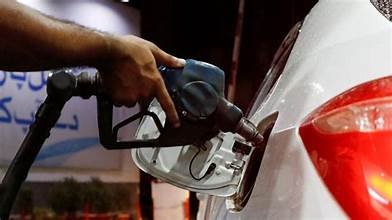
The big question on everyone’s mind — especially consumers planning budgets for the year ahead — is whether this is a temporary spike or the start of a longer structural shift in energy pricing.
Most analysts believe the extreme peak, if it arrives, will be relatively short-lived — probably six to nine months before market forces begin to adjust. New production from non-OPEC nations, including the United States, Canada, and Brazil, is expected to gradually fill some of the supply gap. Additionally, higher prices naturally dampen demand over time, as consumers and businesses adapt their behavior.
That said, some structural factors — including the long-term underinvestment in new fossil fuel infrastructure and the gradual transition to renewable energy — suggest that fuel price volatility will remain a fixture of the economic landscape for years to come. The era of reliably cheap gasoline, many experts argue, may simply be over.
Final Thought!
The warning signs are clear, and analysts across the board agree: gas prices may rise next fiscal year in a significant way, with real consequences for household budgets, business operating costs, and broader inflation trends. Whether governments intervene meaningfully or leave consumers to weather the storm largely on their own remains to be seen.
What is certain is that now is the time to pay attention, plan ahead, and make informed decisions before the full impact arrives at the pump.
Have thoughts on rising fuel prices? What’s your biggest concern — household bills, business costs, or inflation? Share your view in the comments or tag us on social media.