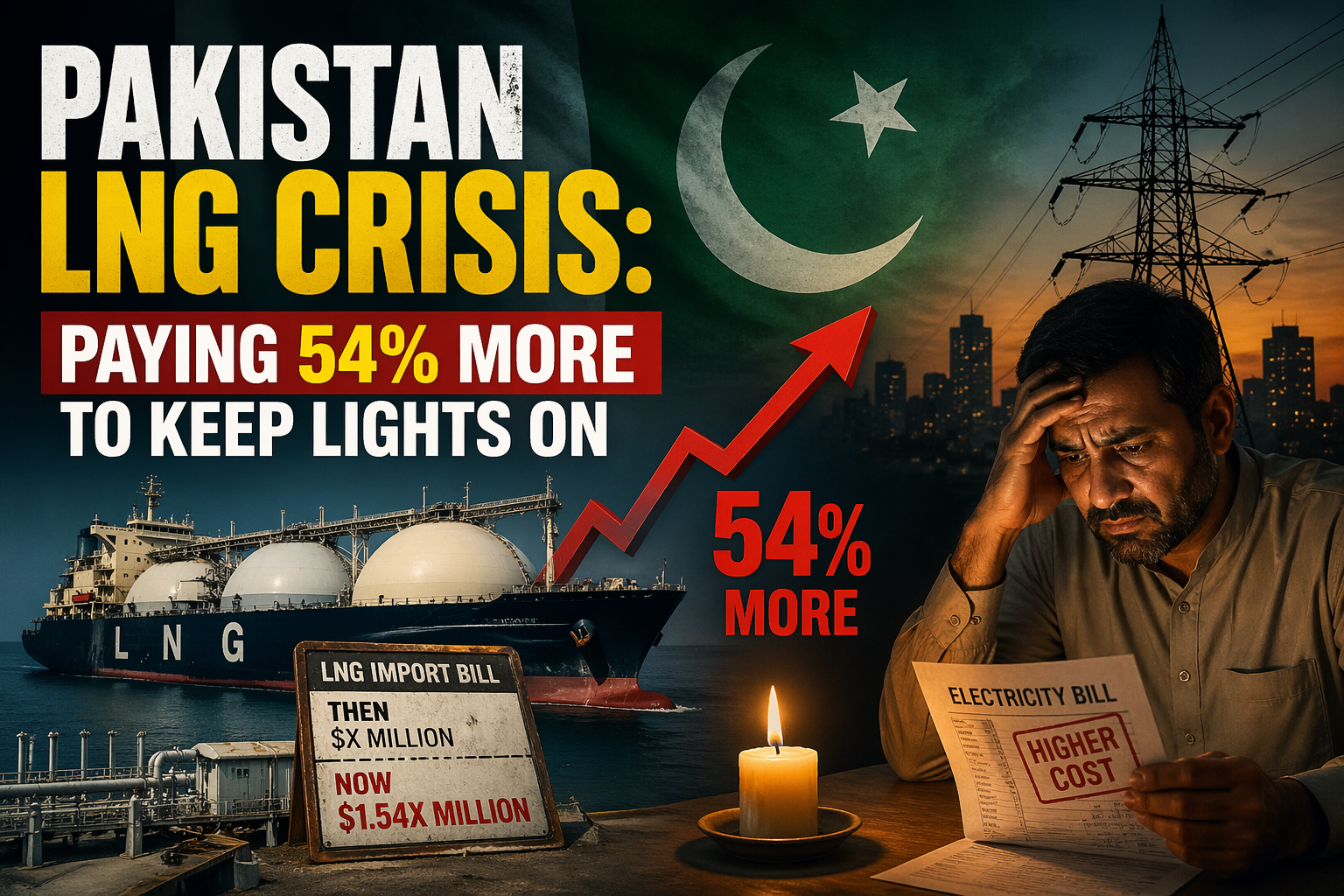
Pakistan LNG Crisis is scrambling to buy liquefied natural gas on the open spot market for the first time in over two years — and it is paying dearly for it. With Qatar’s supply lines severed by regional conflict, a 4,500-megawatt power shortfall biting millions of households, and Asian gas prices sitting 54% above their February levels, the government in Islamabad has issued an emergency tender for three LNG cargoes as the country braces for a brutal summer of electricity cuts.
From Surplus to Shortage — Almost Overnight
The speed of this reversal is hard to overstate. Just months ago, Pakistan had the opposite problem: too much gas and nowhere to put it. LNG demand had been falling for three consecutive years — from a peak of 8.2 million tonnes in 2021 down to 6.1 million tonnes by late 2025 — largely because cheap solar panels had flooded the domestic market and factories had been cutting back on consumption.
The government was quietly offloading excess gas shipments to other buyers and had even asked Qatar to defer cargoes, projecting a supply surplus all the way through 2031. Energy planners had cancelled 21 LNG cargoes scheduled for 2026–27 under a long-term contract with Italian firm Eni, banking on solar energy picking up the slack. That bet has now spectacularly backfired.
“Pakistan’s energy planning has mostly been bound by long-term contracts with very little flexibility. Once considered necessary for energy security, these rigid contracts have become a financial albatross in a market increasingly prioritising flexibility and low-cost generation.” — Isaad, IEEFA energy analyst
What Broke the Supply Chain: The Strait of Hormuz
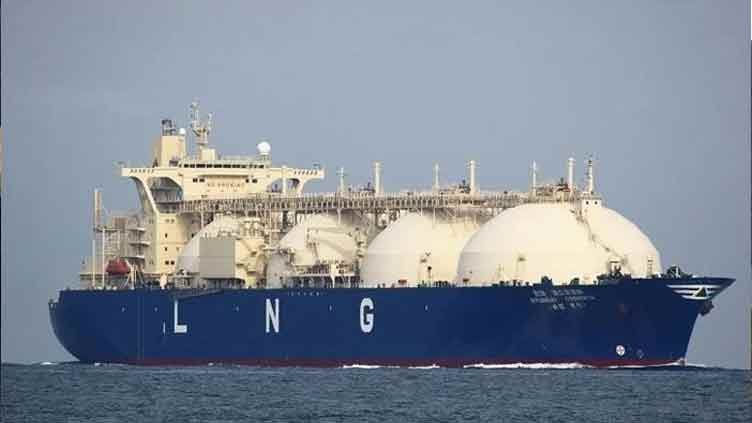
The trigger for Pakistan LNG Crisis was the escalation of conflict in the Middle East. Iranian strikes on energy infrastructure in the region damaged Qatar’s Ras Laffan LNG complex — the single largest LNG-producing facility in the world. Qatar Energy has declared force majeure on some long-term contracts and estimates damage could cost the company around $20 billion per year, with repairs taking up to five years.
The fallout was immediate. The Strait of Hormuz — through which roughly 20% of daily global LNG flows pass — became effectively closed. Four tankers loaded with Qatari LNG, all signalling Pakistan as their destination, have been trapped in the Gulf since early March, unable to move. Some briefly attempted to transit before turning back.
Before the conflict erupted, Pakistan was receiving eight to twelve LNG shipments per month. In March, the month the war began, only two arrived. The numbers tell a stark story:
- January 2026: 12 LNG shipments received
- March 2026: Only 2 shipments arrived out of 8 scheduled
- April 2026 arrivals: still uncertain as of this writing
- Gas-fired plants contributing 4,000–5,000 MW are now running below capacity or offline entirely
Pakistan’s Emergency Tender: Three Cargoes, Any Price
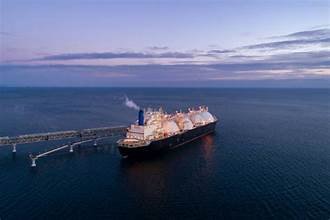
Faced with mounting blackouts and factories shutting down for lack of gas, Pakistan LNG Limited — the state-owned entity responsible for procurement — issued a rare spot tender on Thursday. The company is seeking bids for three LNG cargoes, each approximately 140,000 cubic metres, for delivery at Port Qasim in Karachi.
The delivery windows are tight: April 27–30, May 1–7, and May 8–14. Bids were due by Friday, April 24. This is the first time Pakistan has entered the spot LNG market since December 2023 — a gap of roughly 16 months.
Federal Energy Minister Awais Leghari confirmed the move is intended to meet rising electricity demand while reducing dependence on diesel and furnace oil — which have more than doubled in cost since the Strait of Hormuz disruption. He also acknowledged that the government is “uncertain about the timing” of any further Qatari deliveries.
Why the Spot Market Is So Painful for Pakistan
The spot LNG market was already expensive before this crisis. In mid-February, state-owned entities Pakistan State Oil and Pakistan LNG Limited bought eight combined cargoes at an average of $10.47 per MMBtu. By March 12, the two cargoes that did arrive were costing $12.49 — a 19% jump in less than a month. Asian spot prices have since climbed to around $16.05 per MMBtu, a 54% increase since February 23, touching their highest level in three years.
For context, Pakistan’s existing long-term contracts with Qatar — signed in 2016 and 2021 — had a built-in price slope. Spot market purchases right now could cost Pakistan nearly 40–50% more per cargo than what it was paying under those contracted terms before the disruption. Energy analysts describe the country as having walked into one of the worst possible moments to be a gas importer without a backup plan.
The Human Cost: Blackouts, Businesses, and a 4,500 MW Gap
For ordinary Pakistanis, this is not an abstract debate about procurement contracts. National electricity demand currently stands at around 18,000 MW. The system is running a shortfall of roughly 4,500 MW — an enormous gap that translates directly into load-shedding, or planned power cuts, across the country.
Gas-fired power plants — including four large state-owned LNG plants at Bhikki, Balloki, Haveli Bahadur Shah, and Trimmu — have seen their utilisation rates crash. Some smaller thermal plants are running at near-zero capacity. The Power Division has initiated nationwide load management during peak hours to try to contain the damage.
- Industries dependent on gas are seeing production stoppages
- Grid electricity consumers face both higher bills and longer outages
- Furnace oil — the main backup fuel — has more than doubled in cost since Hormuz disruption
- Peak summer demand is expected to hit 24,000 MW, worsening the crunch
- Households with rooftop solar remain the best-insulated from the crisis
The circular debt in the gas sector, long a festering wound in Pakistan’s energy economy, now stands at 3.3 trillion rupees — approximately $11 billion. The new round of expensive spot purchases will only add to that burden.
Alternative Suppliers Step In — But It Is Not Simple
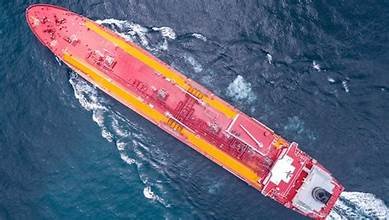
Pakistan is not entirely without options. Azerbaijan’s state energy company SOCAR has signalled that it is ready to supply LNG to Pakistan upon request under a 2025 framework agreement that allows accelerated procurement through SOCAR Trading. Analysts say this could provide an alternative channel if Islamabad decides to activate it formally.
However, diversifying away from Qatar will not happen overnight. Qatar and the UAE together account for 99% of Pakistan’s LNG imports. Rebuilding supply from scratch with new partners — especially at a moment when the global LNG market has tightened sharply and every cargo is fiercely competed for — is an enormous logistical and financial challenge.
What Happens if the Summer Gets Worse?
Energy analysts are warning that the situation could deteriorate further as summer approaches. Peak electricity demand last summer exceeded 33,000 MW. With hydro output already lower than usual due to limited water resources, and LNG supply still uncertain, the window to secure enough fuel before temperatures peak is closing fast.
Analysts at IEEFA and elsewhere are recommending shorter five-year contracts with portfolio players — rather than decade-long rigid deals — as a bridge solution, paired with an accelerated push into domestic wind and solar. But those solutions take time. Right now, Pakistan needs gas in the next two to three weeks.
A Crisis of Planning, Not Just War
It would be tempting to lay the entire blame at the door of the Middle East conflict. But energy experts argue Pakistan’s Pakistan LNG crisis also reflects years of inflexible procurement strategy. The country’s take-or-pay obligations with Qatar meant it was locked into buying gas it could not use during the solar boom — and then had nothing to fall back on when the supply collapsed.
“This was reactive crisis management that prioritised short-term fixes over better forecasting and procurement flexibility,” one analyst told Al Jazeera last month. The gas surplus of 2025 and the gas shortage of 2026 are, in a painful irony, both products of the same structural problem: a system built for certainty in an industry that no longer offers it.
Final Thought!
Pakistan is buying expensive LNG it cannot really afford, from a market it had largely exited, to power a grid it had planned to run on solar — because a war no one predicted has severed the supply line it depended on. The immediate priority is getting those three spot cargoes delivered before May.
The longer-term challenge is rethinking an energy procurement model that has left the country dangerously exposed — twice over — in the span of just twelve months. How Islamabad navigates the coming summer will be a defining test of its energy policy for years to come.