
Federal agents showed up at reporters’ homes on Friday. Not with a warrant for a crime scene — with subpoenas.
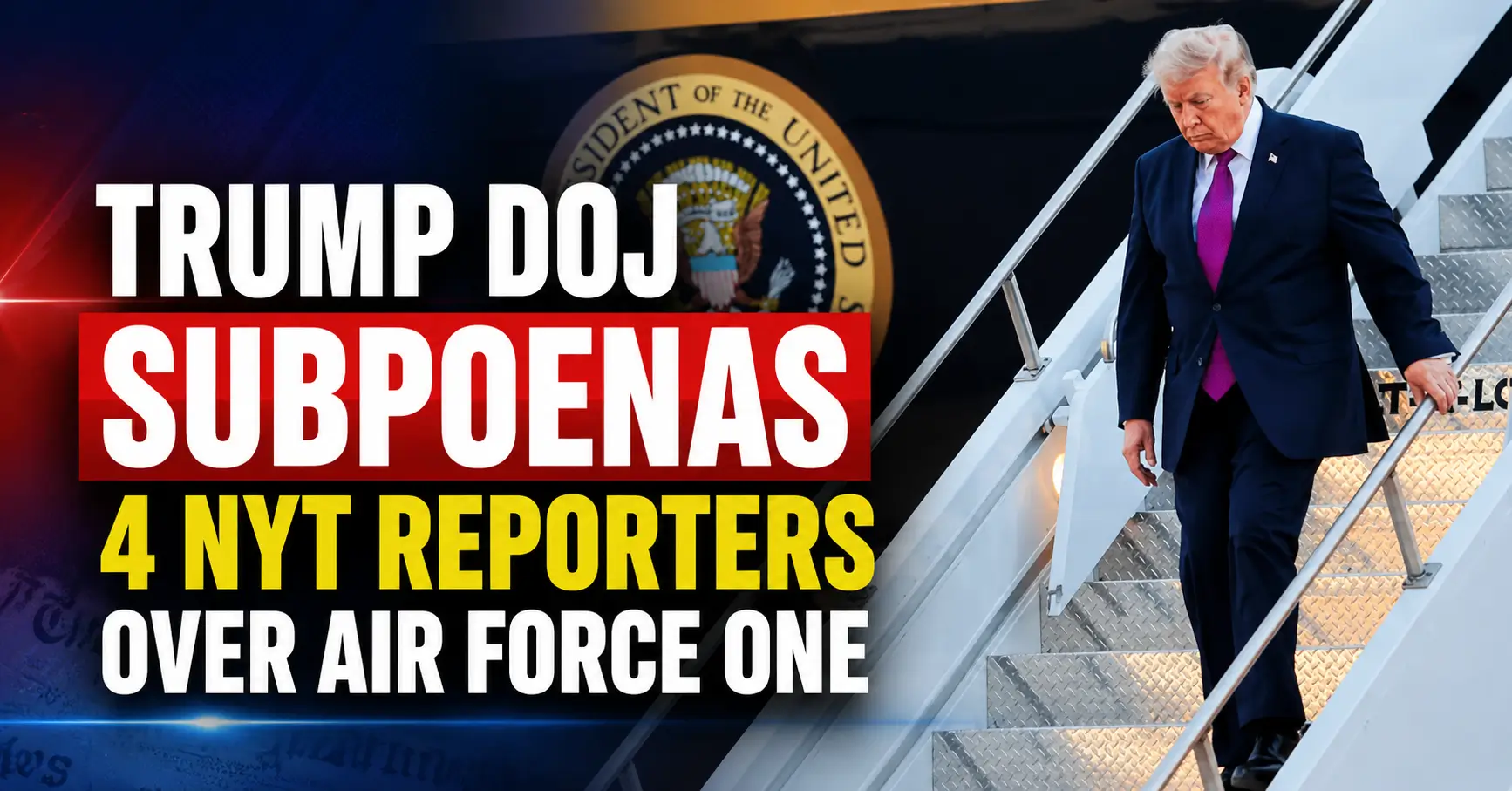
The NYT journalists subpoenaed over the Air Force One story are now headed to a Manhattan grand jury next week, and press freedom groups are calling it a direct assault on journalism itself.
What Happened — The Subpoenas, Explained

The Justice Department issued subpoenas Friday to four New York Times journalists after they reported on security concerns surrounding the Qatari-gifted jet now serving as Air Force One. The order compels them to testify before a grand jury.
Federal agents delivered several of the subpoenas directly to reporters’ homes, an unusual and aggressive move. The subpoenas reportedly relate to an alleged violation of federal criminal law, though details remain scarce.
Who Are the Reporters Targeted by the DOJ
The journalists named are Julian E. Barnes, Eric Lipton, Tyler Pager and Eric Schmitt — all veteran national security correspondents at the Times.
They’re being summoned to testify before a federal grand jury in Manhattan this coming Wednesday, according to the paper’s own reporting on the case.
Key details of the case so far:
- Subpoenas issued Friday by the DOJ’s Southern District of New York office
- Issued by US Attorney Jay Clayton, recently nominated by Trump for national intelligence director
- Four reporters summoned, several served at their private residences
- Grand jury testimony scheduled for next Wednesday in Manhattan
The Qatar Jet Controversy That Started It All

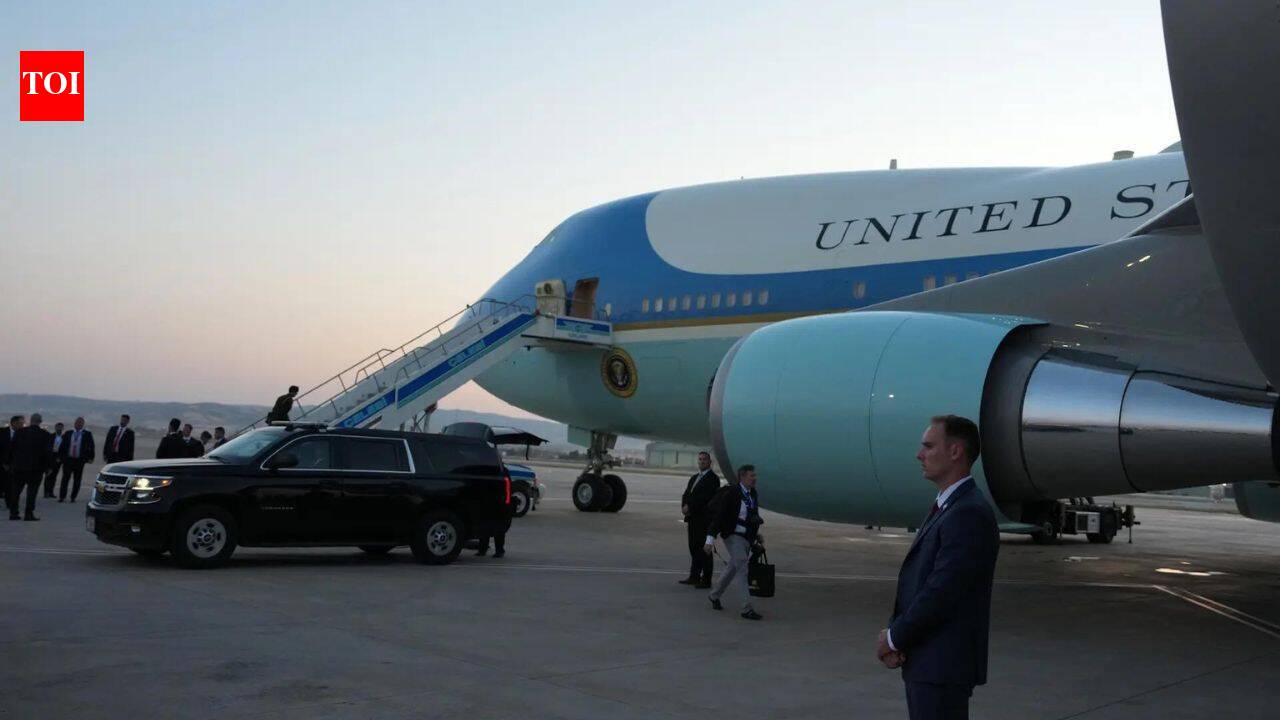
This fight traces back to a single jet. The new Air Force One was a Qatari-gifted Boeing 747-8, hurried into service after being retrofitted at enormous taxpayer cost.
The NYT reported the plane lacked some defensive capabilities officials wanted, prompting Trump to switch back to an older jet for parts of a NATO trip. The Secret Service reportedly advised the switch.
Trump publicly downplayed any danger. He denied security concerns and claimed the stop at a UK air base was simply to let service members view the new aircraft. Asked about threats from Iran, he brushed it off: “I have a threat all the time. I’m No. 1 on their list.”
Press Freedom Groups Push Back Hard
The reaction from media watchdogs was swift and blunt. NYT top newsroom lawyer David McCraw called the sight of federal agents at reporters’ doorsteps something that “should shock the conscience of any American who believes in the Constitution.”
The Freedom of the Press Foundation’s Seth Stern argued that government claims of protecting national security often really mean protecting its own reputation. Bruce Brown of the Reporters Committee for Freedom of the Press said the move breaks from longstanding DOJ practice that treats journalist subpoenas as a last resort.
Notable reactions include:
- David McCraw, NYT chief newsroom lawyer — condemned the agents’ home visits
- Seth Stern, Freedom of the Press Foundation — called it reputational damage control
- Bruce Brown, Reporters Committee — flagged the break from DOJ norms
- National Press Club — formally requested the DOJ withdraw the subpoenas
A Pattern of Pressure on US Newsrooms
This isn’t an isolated incident. Earlier this year, both The Washington Post and The Wall Street Journal fought secret legal battles against similar DOJ subpoenas tied to national security leak investigations.
READ MORE: North Korea Condemns NATO Summit Over US Allies Push
Acting Attorney General Todd Blanche previously said the DOJ values reporters’ role but insists officials entrusted with secrets shouldn’t be “sharing with reporters,” acknowledging there’s “tension there.” The Times is now the latest outlet caught in that tension.
What This Means for Journalism Going Forward
The Times has said it plans to fight the order in court, calling it a rare and troubling escalation. Legal analysts note that forcing reporters before a grand jury risks exposing confidential sources — a line news organizations rarely cross without a fight.
For readers outside the US, the case matters too. It signals how far a government can go in pressuring journalists covering national security, a precedent that press freedom advocates worldwide are watching closely.
The DOJ, for its part, maintains the subpoenas target leakers of classified information, not the reporters themselves. Whether that distinction holds up under judicial scrutiny will likely shape how future leak investigations touch American newsrooms.