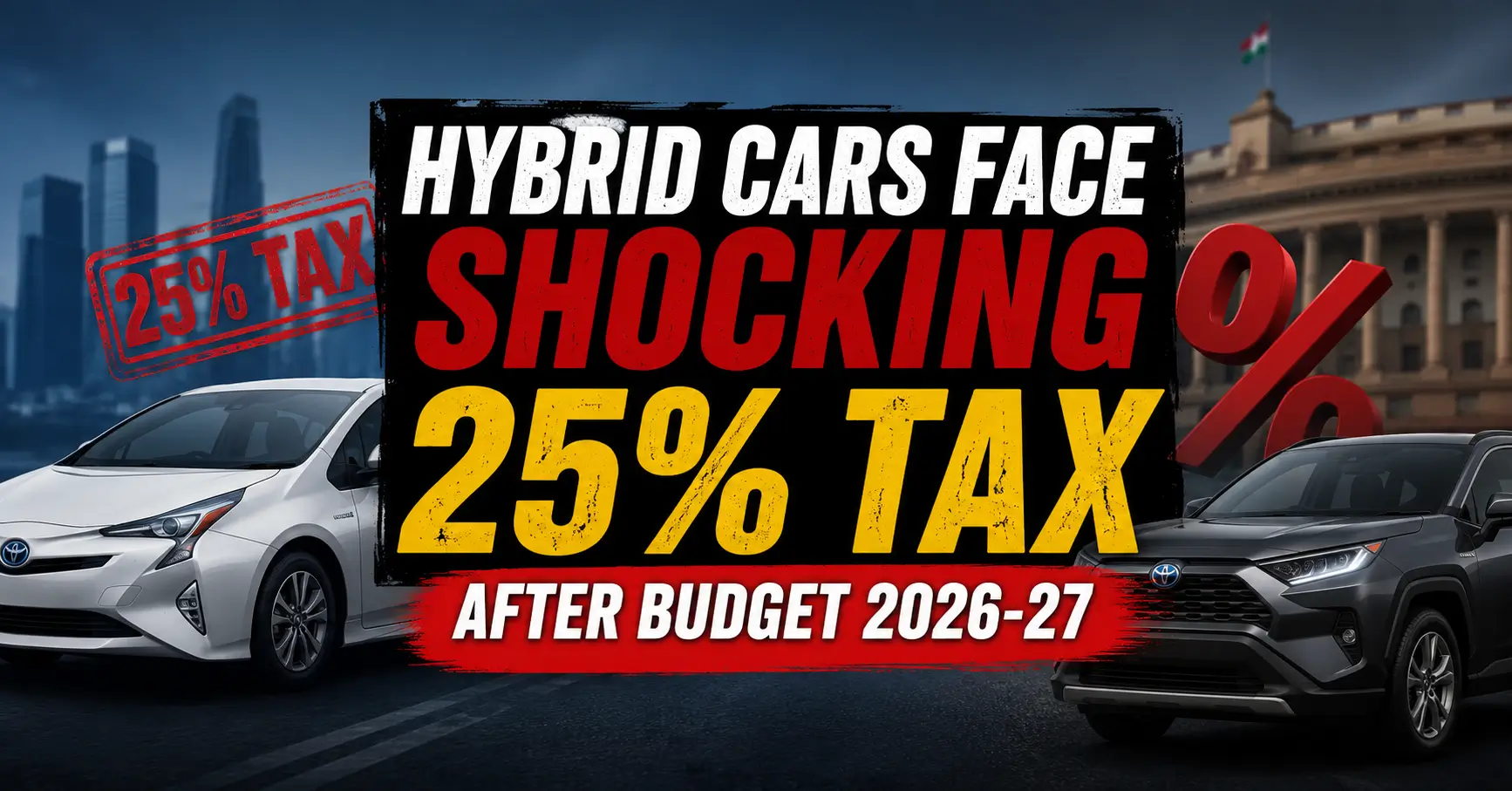

Pakistan’s hybrid cars buyers just lost the tax break that made these vehicles worth choosing over petrol models. Under the newly approved Finance Act 2026-27, the general sales tax on locally manufactured hybrid electric vehicles (HEVs) and plug-in hybrids (PHEVs) has jumped from 8.5% to 25% — nearly tripling the levy overnight.
An auto assembler confirmed the shift to Dawn, and industry analysts have since warned that the increase effectively erases the fuel-savings pitch that made hybrids attractive to middle-income Pakistani households. What was pitched for years as “unchanged” in pre-budget leaks did not survive the final Finance Bill.
How the Sales Tax on Hybrid Vehicles Actually Changed

The hybrid cars 25% tax now sits far above what was expected just weeks before the budget. Business Recorder had reported in early June that hybrid rates were likely to stay untouched while only imported EVs faced a 25% sales tax hit.
That forecast didn’t hold. Instead, the government applied the steep rate directly to domestically assembled hybrids — the very segment officials had promised to protect. Locally built EVs within specific battery thresholds reportedly retain lower slabs, but hybrids absorbed the bulk of the increase.
Key rate changes under the new framework include:
- Locally manufactured HEV/PHEV GST: raised from 8.5% to 25%
- Imported CBU cars under 800–850cc: minimum customs duty of 30%
- Commercially imported parts: tariff of 25%
- CKD kits for local assembly: 32% combined duty
- Localized vendor-sourced parts: duties of up to 46%
Why the Government Raised GST on Hybrid Electric Vehicles

Officials frame the hybrid cars 25% tax as part of a broader revenue push demanded during Pakistan’s ongoing negotiations with the International Monetary Fund. The Federal Budget 2026-27, presented by Finance Minister Muhammad Aurangzeb on June 12 with a total outlay near Rs18.77 trillion, needed new revenue streams after years of narrow tax collection.
Sources familiar with the talks say the IMF specifically flagged concessions on EVs and hybrids, arguing these incentives mainly benefited wealthier buyers rather than the general public. That framing gave Islamabad political cover to unwind rates that had stood since the original 2020 EV policy and its 2021 expansion under AIDEP.
PAMA’s SOS Letter and the Inverted Tariff Problem
The Pakistan Automotive Manufacturers Association, representing 16 assemblers building over 100 models across 31 global brands, has sent an urgent letter to Prime Minister Shehbaz Sharif over what it calls an inverted tariff structure. The math is blunt: importing a fully built economy car can now cost less in tax than assembling one locally from parts.
That inconsistency threatens the localization push Pakistan has chased for years. PAMA’s warning is stark — without swift intervention, the association says decades of industrial investment and large numbers of manufacturing jobs face permanent risk, since the new structure rewards imports over domestic value addition.
IMF Pressure Behind Pakistan’s EV and Hybrid Tax Reforms

Multiple reports point to IMF conditions shaping this decision more than domestic industrial policy did. Pakistan’s inflation climbed to 10.9% year-on-year by April 2026, tightening fiscal space and pushing negotiators to accept lender demands on removing “elite-favouring” exemptions, including those tied to green vehicles.
That tension sits uneasily against Pakistan’s own Auto Industry Development and Export Policy 2026-31, which targets 30% new-energy-vehicle penetration by 2030. Raising taxes sharply on hybrids just as that plan is finalized creates a policy contradiction few officials have addressed publicly.
What This Means for Buyers and Local Assemblers
For everyday consumers, the hybrid cars 25% tax translates into higher sticker prices on popular models like the Toyota Corolla Cross Hybrid and Haval H6 HEV — cars that were previously marketed on fuel savings and lower running costs. That value proposition weakens considerably at the new rate.
For assemblers, the bigger threat is competitive: cheaper imported alternatives now undercut vehicles built inside Pakistan. Unless the government revisits the structure PAMA has flagged, industry watchers expect slower hybrid adoption, stalled investment plans, and renewed pressure on Islamabad to correct course before the next fiscal cycle.