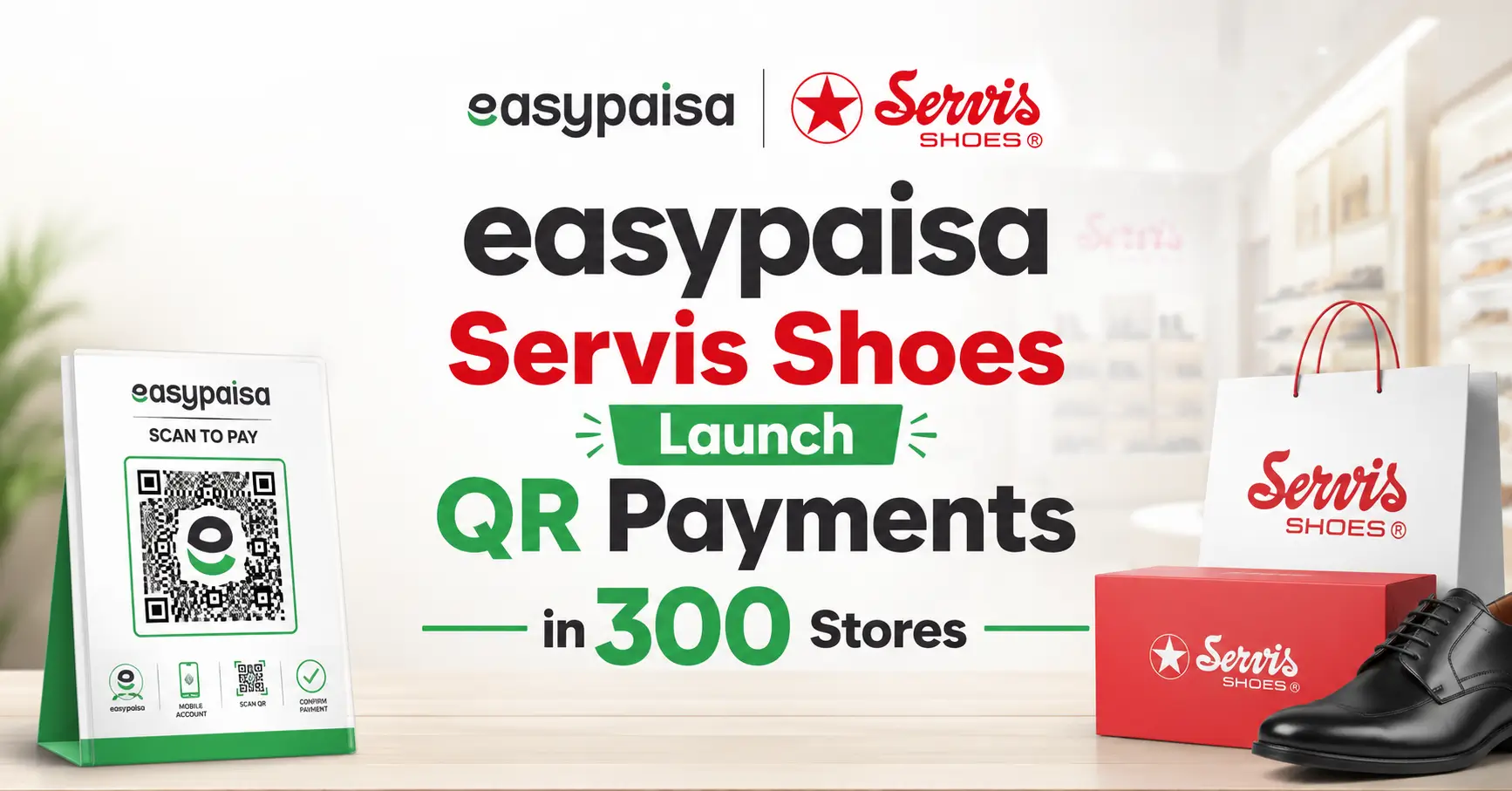

Pakistan’s retail floor just got a little less dependent on cash. easypaisa digital bank has signed a Memorandum of Understanding with Servis Shoes, one of the country’s largest footwear and apparel chains, to install QR-based digital payment tools and Soundbox devices across 300 stores nationwide.
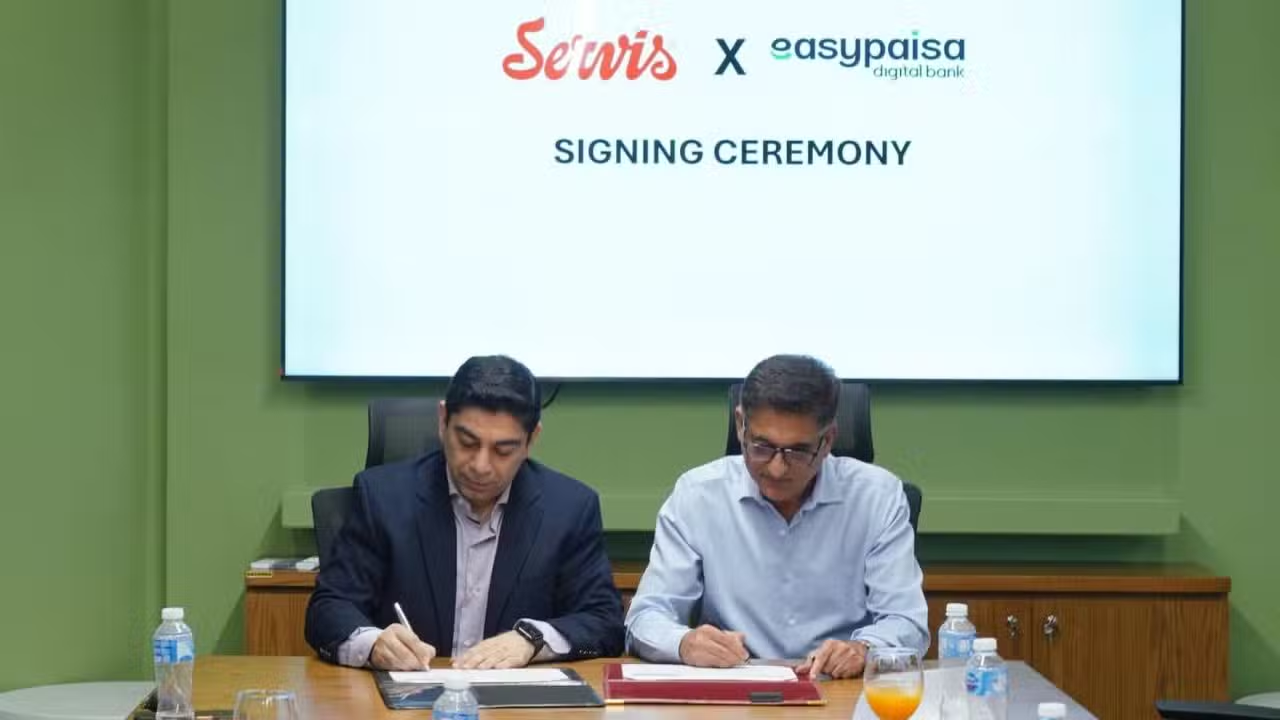
The deal, formalised at a signing ceremony attended by leadership from both companies, is being pitched as more than a routine vendor tie-up. It’s a bet that Pakistani shoppers long used to handing over rupee notes at the till are ready to tap their phones instead.
What the Partnership Actually Covers
The mechanics are straightforward. easypaisa will fit Servis outlets with QR code stands and Soundbox devices, the small speaker units that announce a payment out loud the moment it lands.
Customers scan an easypaisa Raast QR code with their phone, the transaction clears, and the Soundbox confirms it audibly for both sides of the counter.
The arrangement is meant to give shoppers a smoother, contactless checkout while building confidence in digital financial tools more broadly.
For a retailer the size of Servis, with hundreds of outlets across Pakistan’s cities and smaller towns, that’s a meaningful number of tills switching over to a cashless-first option.
Why This Matters Beyond One Retail Chain

Soundbox devices aren’t new to easypaisa , the company first rolled them out for merchants back in 2024, pairing QR scanning with instant audio confirmation to cut down on payment disputes and delays at the counter. What’s changed is the scale of adoption.
Locking in a chain-wide agreement with a household footwear brand pushes that infrastructure into a retail category , shoes and apparel , where cash has historically dominated.
The State Bank of Pakistan has spent the past few years pushing merchants toward Raast, the country’s instant payment rail, as part of a broader financial inclusion agenda.
Partnerships like this one are effectively the last mile of that policy: it’s one thing for a central bank to build the rails, another for a shopper in a mid-sized city to actually see a QR code at checkout and use it.
The Executives on the Deal
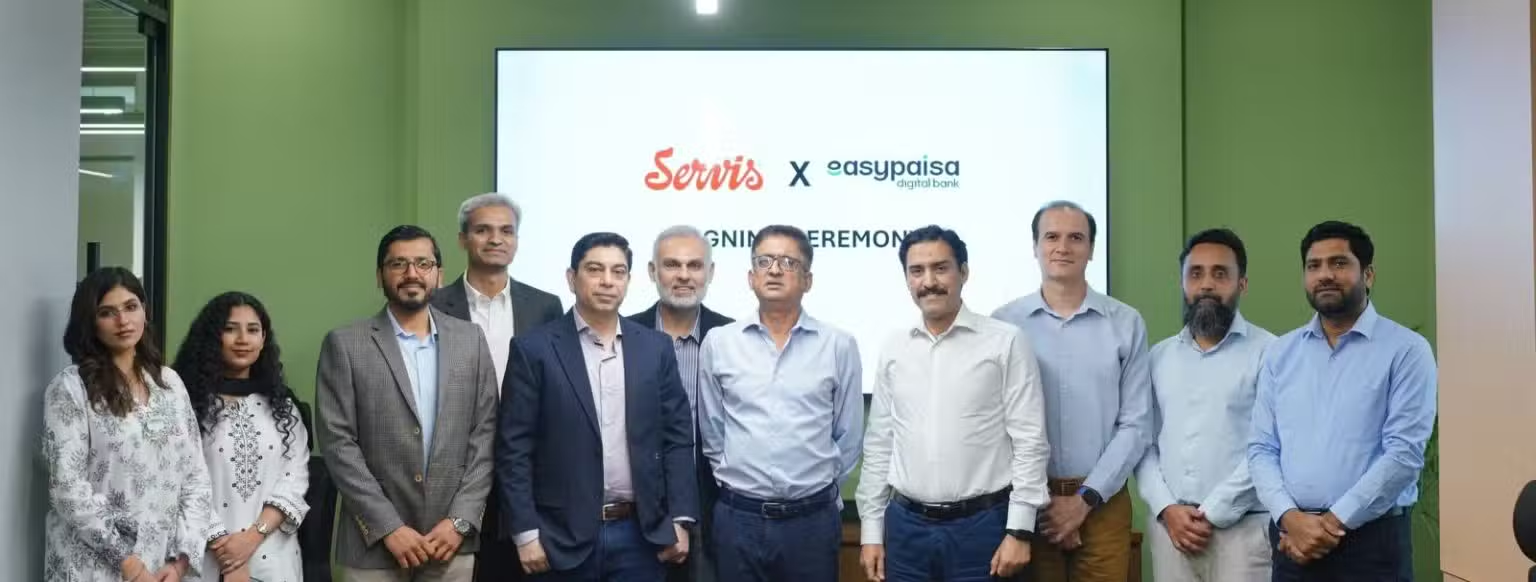
Shahzad Khan, Chief Business Officer at easypaisa digital bank, framed the tie-up as part of a wider contactless push. He said the partnership reflects the company’s commitment to advancing the government’s and State Bank’s cashless economy initiative while working toward a more financially inclusive Pakistan.
Kashif Aziz Khwaja, Chief Executive Officer of Service Retail (Pvt.) Ltd., pointed to what the deal signals for the wider retail sector. He said it points to growing merchant confidence in digital financial solutions and could pave the way for wider adoption across Pakistan’s retail landscape.
easypaisa’s Scale in Context
easypaisa positions itself as Pakistan’s first digital bank to begin commercial operations, and the company now counts more than 60 million registered users on its platform.
That scale is precisely why retail partnerships matter to its growth story: a payments platform is only as useful as the number of places customers can actually spend through it.
READ MORE: Easypaisa Profit Surges by 13.63 Billion in FY2025
The company has also framed its roadmap around reaching Pakistanis who remain unbanked or underbanked a group that development economists have long flagged as central to any meaningful financial inclusion push in the country.
Servis, with its nationwide store footprint, gives easypaisa reach into cities and towns where formal banking penetration is still thin.
The Bigger Picture: Pakistan’s Cashless Push
Pakistan’s digital payments sector has been on an upward trajectory for several years, driven by smartphone penetration, State Bank policy pressure, and a post-pandemic shift in how people expect to pay.
QR-based payments in particular have gained traction because they require minimal hardware investment from merchants — a sticker and a phone app can be enough to get started.
Retail partnerships of this kind also tend to have a demonstration effect. When shoppers see contactless payment work smoothly at a familiar brand, resistance to trying it elsewhere tends to fall. Servis-easypaisa becomes a template for other large retail chains, or remains a standalone case study, will likely depend on how quickly transaction volumes climb once the rollout is complete.
Would you use a QR code over cash the next time you’re checking out at a retail store in Pakistan?