Pumps Selling Stale Fuel, Yet Govt Keeps Paying for Petrol That’s Never Arrived
Petrol pumps across Pakistan are dispensing old, degraded fuel to consumers — sometimes months past its optimal use period — while the federal government continues to release subsidy payments for petroleum that hasn’t even cleared port or entered the country. The double-edged scandal, now under the lens of a formal inquiry, raises serious questions about oversight of the petroleum supply chain, the role of Oil Marketing Companies (OMCs), and who is ultimately picking up the tab.
What Is Actually Happening at the Pump?
Drivers across major cities — Karachi, Lahore, Rawalpindi, and Peshawar — have been filing complaints about vehicles losing mileage, engines knocking, and in some cases, mechanical failures traced back to poor fuel quality. Independent laboratory tests commissioned by consumer watchdog groups reportedly found that fuel samples from multiple pump stations contained hydrocarbons indicating significant age degradation and possible mixing with lower-grade derivatives.

The petrol being sold isn’t just old — it may be a blend. Industry insiders, speaking on condition of anonymity, told this publication that some OMCs have been mixing freshly arrived product with carryover stock from previous cycles to stretch supply and artificially maintain volumes. This practice, while not unheard of in global markets, becomes illegal and dangerous when the resulting blend falls below minimum quality thresholds set by the Oil and Gas Regulatory Authority (OGRA).
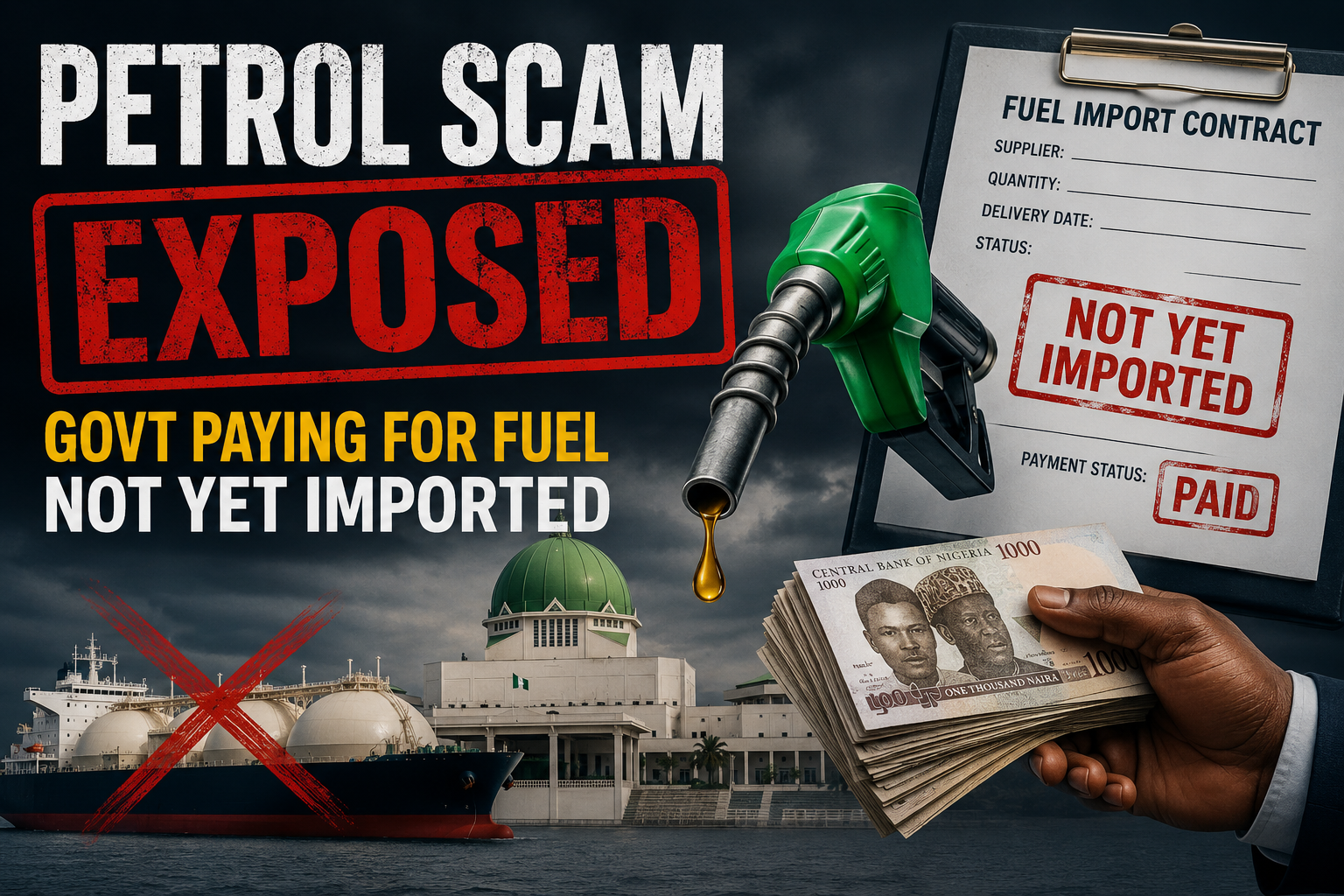
According to sources familiar with the inquiry, invoices submitted by multiple OMCs for subsidy reimbursements referenced petroleum shipments that had either not yet docked at Pakistani ports — or in some cases, had no verified record of being imported at all.
The Government’s Side: Paying for Ghost Fuel
The more explosive part of this petrol subsidy scam in Pakistan concerns the money trail. Government subsidy mechanisms — designed to cushion consumers against global crude price shocks — are disbursed based on import documentation submitted by OMCs. The system, critics say, operates largely on paper declarations with insufficient physical verification.
Sources in the Ministry of Energy have confirmed that a committee has been constituted to audit a specific window of subsidy claims against actual Customs clearance data from the Pakistan Single Window portal. Early findings, which have not yet been made public, reportedly show discrepancies between declared import quantities and verified arrivals.
In simpler terms: companies may have billed the government for petrol that was never actually imported — and in parallel, sold old, degraded fuel to consumers as if it were fresh stock. If proven, this would represent a two-front fraud: against the state treasury and against the common consumer.
How Did This Allegedly Go Undetected?
Weak quality testing at retail level
OGRA mandates quality testing at the refinery and bulk storage level, but enforcement at the retail pump end is notoriously inconsistent. District-level inspections happen infrequently, and the current regulatory framework doesn’t require real-time fuel tracking from storage to nozzle. This gap has reportedly been exploited repeatedly.
Documentation loopholes in import subsidy claims
The subsidy reimbursement process relies heavily on Letter of Credit (LC) documents and Bill of Lading copies. Experts point out that LC issuance does not confirm delivery — a ship could theoretically be in transit or a deal could fall through after the paperwork is in government hands. Tighter integration between Customs, the State Bank of Pakistan, and OGRA databases could close this loophole, but that coordination reportedly remains incomplete.
Who Bears the Consequences?
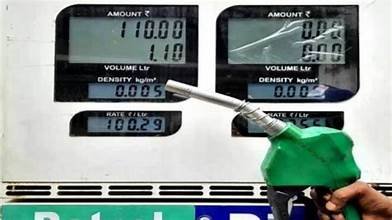
At one end stands the ordinary motorist — already battered by high fuel prices — who pays full market rate for substandard petrol that damages their vehicle and delivers fewer kilometres per litre. At the other end sits the Pakistani taxpayer, whose money flows into subsidy payments that may be funding ghost imports.
- Consumers face mechanical damage from degraded fuel, with repair costs falling on them
- Small transport operators report a measurable drop in fuel efficiency, raising operating costs
- The national exchequer faces potential losses running into billions of rupees if subsidy fraud is confirmed
- Legitimate OMCs complain the black market in old fuel undercuts their competitively priced fresh stock
- Public trust in the regulated fuel supply chain takes a reputational hit that’s hard to quantify
Regulatory Response: OGRA and FIA in the Frame
The Oil and Gas Regulatory Authority has acknowledged receiving formal complaints and says an investigation team has been activated. In a brief statement, OGRA noted it takes fuel quality non-compliance “very seriously” and that any operator found in violation faces licence suspension and financial penalties. However, civil society groups are demanding a public timeline for the inquiry and the release of lab test results.
The Federal Investigation Agency (FIA) has also been briefed on the financial side of the matter — specifically, the subsidy disbursement irregularities. Whether the FIA formally opens a criminal inquiry or refers the matter to other financial regulators depends on what the Ministry of Energy’s internal audit concludes in the coming weeks.
In the National Assembly, opposition lawmakers have already raised the issue through a point of order, demanding that the petroleum minister appear before a standing committee to explain the oversight failures. The government has so far not confirmed a timeline for parliamentary briefings.
Pakistan’s Recurring Fuel Quality Problem
This is not the first time Pakistan has faced a fuel-quality controversy. Over the past decade, multiple episodes of adulterated diesel, high-sulphur petrol, and supply-chain manipulation have been documented — yet systemic reforms remain elusive. Experts argue that without a mandatory, real-time fuel tracking system — from import vessel to retail nozzle — these gaps will continue to be exploited.
Countries like India and Bangladesh have moved toward digital fuel tracking integrated with their customs and taxation systems. Pakistan’s petroleum sector modernisation agenda has discussed similar frameworks, but implementation has lagged behind, reportedly due to a combination of budget constraints, inter-agency coordination failures, and resistance from within the industry.
“The core issue is that our regulatory framework was designed for a simpler era. Today’s supply chain — with multiple OMCs, private depots, and cross-border trade dynamics — needs a digital audit trail, not paper invoices,” said an energy sector consultant who has previously advised the government on petroleum sector reform.
What Needs to Happen Next
The immediate priority, consumer rights groups say, is independent fuel testing at randomly selected pump stations — with results published publicly and regularly. Simultaneously, the subsidy audit must be expedited and its findings made transparent, even if politically uncomfortable.
Longer term, the petrol subsidy scam in Pakistan exposes the need for a modern fuel traceability system, stricter pre-clearance verification for subsidy claims, and meaningful penalties that actually deter bad actors — not just licence suspensions that are often reversed on appeal.
Until those reforms arrive, Pakistani consumers remain at risk of paying premium prices for inferior fuel, while public funds may quietly flow toward petroleum that exists only on paper.
Final Thought!
Pakistan’s petrol pump scandal cuts two ways: consumers are being sold degraded, old fuel while the government pays out subsidies for petroleum shipments that may never have arrived. The full scale of losses — financial and physical — remains to be confirmed by ongoing investigations.
What is already clear is that the current system of trust-based documentation is ripe for abuse, and that both the motorist on the street and the taxpayer at large are bearing the cost. The coming weeks of regulatory and parliamentary scrutiny will determine whether this becomes a genuine inflection point for reform — or another episode that fades without accountability.
READ MORE: Gas Prices Set for Sharp Hike in Pakistan Budget 2026
Do you have information about fuel quality issues at your local pump? Share your experience in the comments, or contact our investigation desk. Public accountability starts with citizens speaking up.