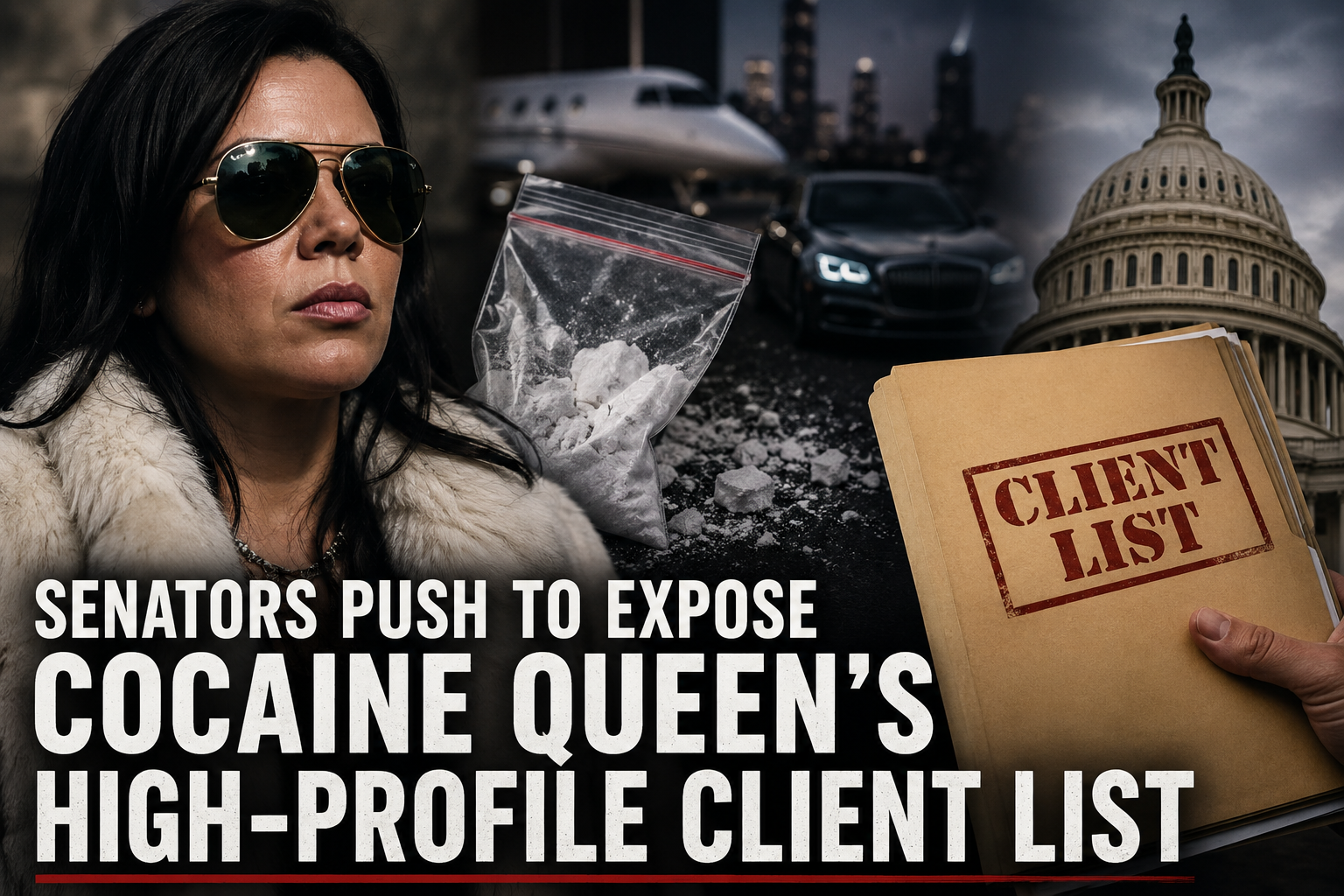

Senators Demand Full Disclosure of Drug Network’s Elite Clientele
A group of US senators is turning up the heat on federal prosecutors, demanding the release of a complete customer list tied to a high-profile drug trafficking case that insiders have taken to calling the “Cocaine Queen” scandal. The list — believed to include sitting judges, active government officials, and elected politicians — has sent shockwaves through Washington and raised serious questions about corruption at the highest levels of American public life.
The push for full transparency came this week when multiple senators formally requested that the Department of Justice hand over all documentation related to the trafficking network’s known clients. Their message was blunt: no one is above the law, and the public has a right to know who was on that list.
Who Is the “Cocaine Queen” — and Why Does Her Client List Matter?

The woman at the center of this controversy, widely referred to in court documents and media reports as the “Cocaine Queen,” was arrested and convicted on federal drug trafficking charges after investigators dismantled a sophisticated distribution operation that allegedly supplied narcotics to some of the country’s most powerful figures.
What made this case stand apart from a typical drug bust was not just the scale of the operation — it was the clientele. According to sources familiar with the investigation, the network’s cocaine queen customer list reads less like a criminal ledger and more like a Washington directory. Names allegedly include:
- Federal and state-level judges
- Career bureaucrats in sensitive government positions
- Sitting and former elected officials
- Political operatives with ties to major campaigns
Investigators have reportedly confirmed the authenticity of the list, but full public disclosure has been blocked — at least for now — citing ongoing investigations and concerns about due process.
Why Senators Are Stepping In

The senators spearheading the push argue that partial disclosure is not enough. Speaking publicly after a closed-door briefing, one senator said the American people deserve to know whether individuals who hold power over courts, legislation, and public policy were purchasing illegal narcotics from a known drug trafficker.
“This isn’t about politics,” one lawmaker stated during a press briefing. “This is about accountability. If people in positions of public trust were on that list, the public has a right to know.”
The senators have also raised concerns that without external pressure, the list could quietly be buried — either to protect powerful individuals or to avoid embarrassing multiple institutions simultaneously. They are calling for a formal congressional review of how the DOJ has handled the case and whether prosecutorial decisions were influenced by the identities of those named.
Legal and Ethical Crossfire: Privacy vs. Public Interest
Not everyone agrees that releasing the cocaine queen customer list is the right move. Legal analysts and civil liberties advocates have pushed back, arguing that simply appearing on a client list does not constitute a crime — and that public disclosure before charges are filed could permanently damage the reputations of people who have not been convicted of anything.
“There’s a meaningful legal distinction between a person who bought drugs and a person who hasn’t yet been charged,” said one constitutional law expert. “Releasing names prematurely crosses into territory that could violate due process rights.”
On the other side, government transparency advocates argue that the public interest in knowing whether judges or legislators were involved in illegal activity clearly outweighs privacy concerns — particularly given that these individuals wield enormous institutional power.
The tension between these two positions has turned into one of the more uncomfortable legal debates Washington has seen in years, and there’s no easy resolution in sight.
The Broader Corruption Question
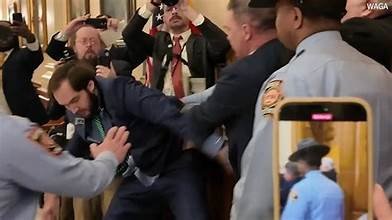
Beyond the immediate scandal, the demand for the cocaine queen customer list has opened a much bigger conversation: how deep does corruption run in American public institutions?
If even a fraction of the alleged customers turn out to be verified public figures, it raises uncomfortable questions about judicial impartiality, legislative integrity, and the security clearances held by some federal employees. Drug use alone can be grounds for revoking clearances — meaning some individuals on the list may already be in violation of their employment obligations, regardless of criminal charges.
Several watchdog organizations have called for an independent investigation that operates separately from the DOJ, arguing that the department cannot credibly investigate a list that may include individuals it works alongside on a daily basis.
What Happens Next
The senators have set a deadline for the DOJ to respond to their formal request. If the department declines or offers only a partial response, lawmakers have indicated they are prepared to issue subpoenas and take the matter to the Senate floor.
Meanwhile, legal teams representing several unnamed individuals allegedly on the list have reportedly been in communication with prosecutors, suggesting that some potential defendants are already preparing for the possibility of public exposure.
The case is expected to come to a head within weeks. Court hearings related to the original trafficking conviction continue, and pressure from Capitol Hill shows no sign of easing. What started as a drug trafficking prosecution has evolved into something far more combustible — a direct challenge to the idea that elite status provides a shield from accountability.
Conclusion: Power, Accountability, and What the List Could Reveal
The fight over the cocaine queen customer list has become one of the most politically charged transparency battles in recent memory. On one side are senators and advocacy groups insisting that the rule of law must apply equally to everyone — regardless of title, position, or political affiliation. On the other are legal experts urging caution and insisting that due process cannot be sacrificed for the sake of public spectacle.
What is clear is that this story is far from over. Whether the names are released, suppressed, or leak through unofficial channels, the damage to institutional trust is already underway. The real question now is not just who is on the list — but what accountability, if any, will follow.