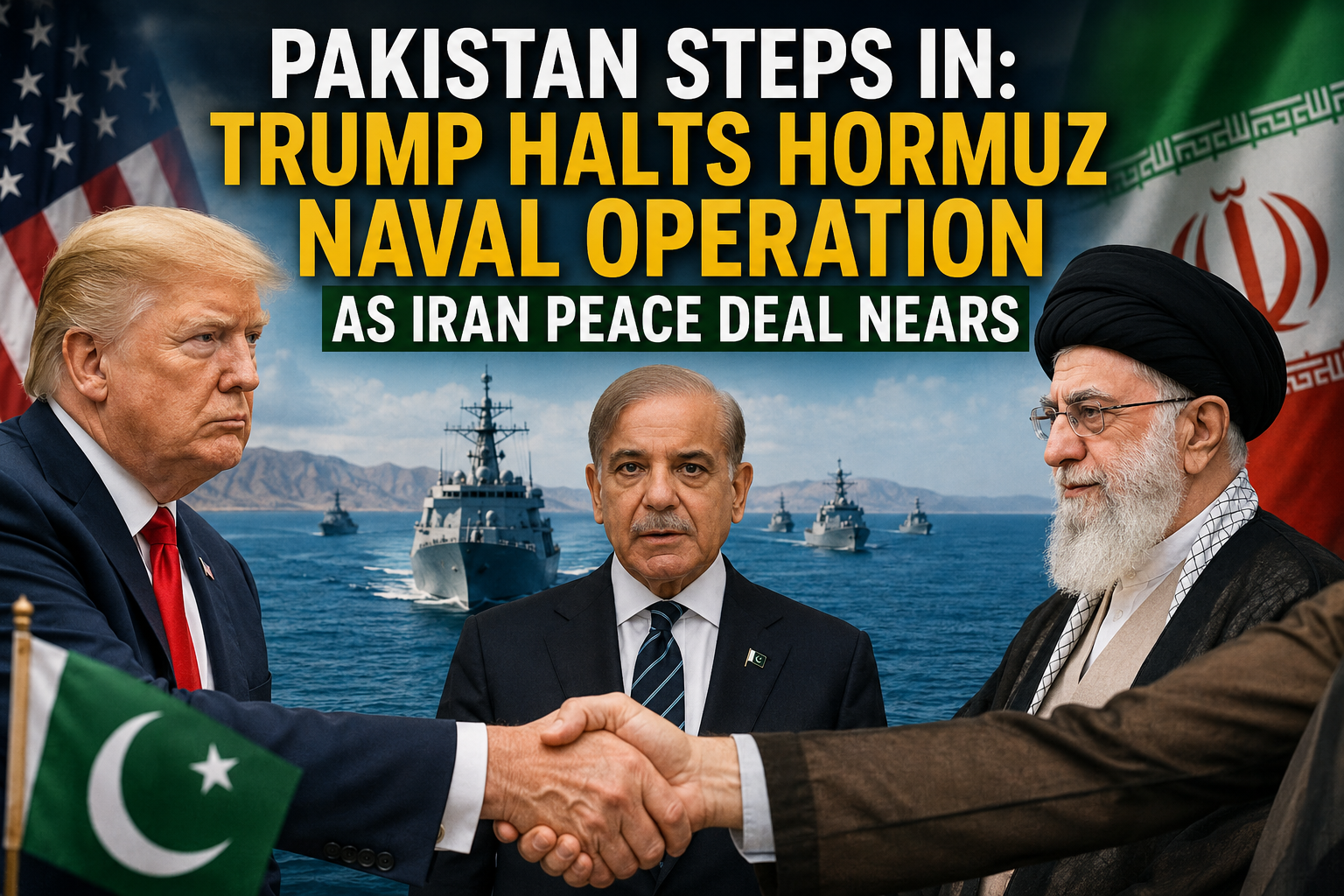

United States President Donald Trump announced late Tuesday that he has suspended “Project Freedom,” a controversial U.S. naval operation launched to force open the Strait of Hormuz, following a formal request from Pakistan and diplomatic signals that a final peace agreement with Iran may be within reach.
The pause — announced via Truth Social — marks a significant shift in Washington’s high-stakes standoff with Tehran and a major diplomatic win for Islamabad, which has emerged as the central mediator in one of the world’s most dangerous crises.
What Is ‘Project Freedom’ and Why It Matters
Launched just two days earlier on Sunday night, Project Freedom was the U.S. military’s attempt to guide stranded commercial vessels through the Strait of Hormuz — the narrow waterway through which roughly one-fifth of the world’s energy supplies normally flow. Iran has effectively sealed the strait since the United States and Israel launched military strikes against the country on February 28, 2026.
The closure has strangled global trade. Oil prices have surged well above $100 a barrel, gas prices in the U.S. climbed to $4.48 a gallon, and economists have warned of a global recession and potential food emergency if the chokehold persists. Thousands of civilian sailors have been stranded in the strait for weeks.
The moment Project Freedom went into effect Monday, Iranian forces responded with cruise missiles, drones, and small boats targeting U.S. Navy and commercial vessels under American escort. No U.S. ships were struck, but the exchange of fire sent shockwaves through diplomatic circles and pushed the fragile ceasefire to the brink.
Trump Announcement: What He Actually Said
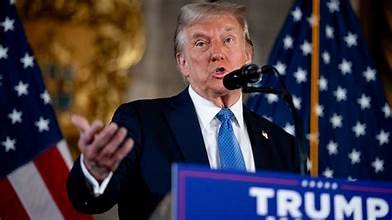
In a post on Truth Social Tuesday evening, Trump framed the suspension as a mutual decision made in good faith. He cited three reasons: Pakistan’s formal request, the “tremendous military success” the U.S. had already achieved in its campaign against Iran, and meaningful progress toward what he called a “Complete and Final Agreement” with Iranian representatives.
“While the Blockade will remain in full force and effect, Project Freedom will be paused for a short period of time to see whether or not the Agreement can be finalized and signed.” — President Donald Trump, Truth Social
Critically, Trump made clear that the U.S. naval blockade on Iranian ports — imposed in April following the collapse of the Islamabad Talks — would stay in place. Only the active escort operation for commercial ships has been suspended.
Secretary of State Marco Rubio, speaking at a White House press briefing, insisted the U.S. was only ever acting defensively and confirmed that the original Operation Epic Fury had already concluded. “The operation is over,” Rubio said, adding that for lasting peace, Iran must agree to Washington’s terms on its nuclear program and reopen the Strait of Hormuz.
Pakistan’s Role: From Messenger to Architect
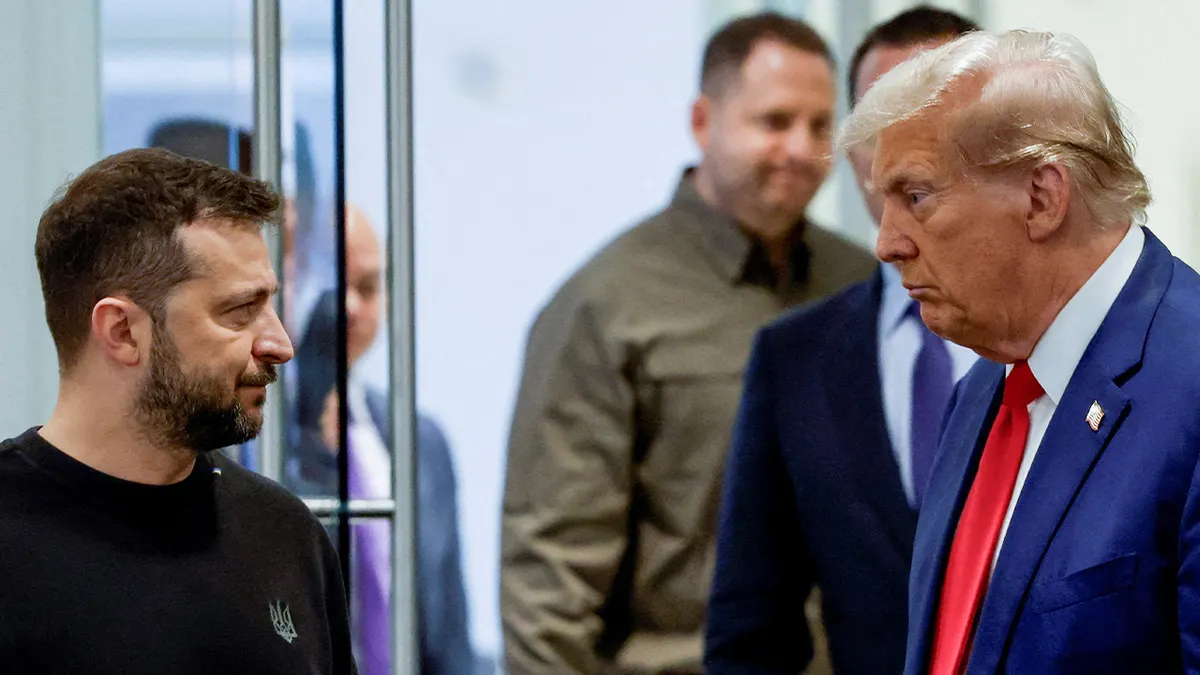
Pakistan’s emergence as the indispensable mediator in the U.S.-Iran conflict has surprised many analysts, but Islamabad’s diplomatic footprint in this crisis is now undeniable. This is not the first time Pakistan has intervened at a critical moment. On April 8, Prime Minister Shehbaz Sharif and Army Chief Field Marshal Asim Munir personally called Trump and persuaded him to agree to an initial ceasefire, halting what was expected to be a devastating U.S. strike on Iran that night.
In the weeks that followed, Pakistan hosted the Islamabad Talks — the first direct, high-level engagement between Washington and Tehran since the 1979 Islamic Revolution. Those talks lasted 21 hours over April 11 and 12 but ended without a deal, with the main sticking points being Iran’s nuclear program and the status of the Strait of Hormuz.
Despite that failure, Islamabad never stopped pushing. Pakistan continued shuttling proposals between the two sides, and Prime Minister Sharif was again on the phone — this time urging both parties to step back from the brink Tuesday, calling it “absolutely essential that the ceasefire be upheld and respected, to allow necessary diplomatic space.”
Why Pakistan? The Strategic Logic
Pakistan shares a nearly 1,000-kilometer border with Iran and has deep economic ties to Gulf states whose energy and remittance flows are directly affected by the Hormuz closure. Islamabad also has a mutual defense pact with Saudi Arabia, making it uniquely positioned to balance relationships on both sides of this conflict.
Ishtiaq Ahmad, a professor of international relations at Quaid-i-Azam University, told Al Jazeera that Pakistan’s role goes beyond mere messaging. “A messenger transmits, but Pakistan shaped the sequencing, timing and framing of proposals,” he said.
Iran’s Reaction and the Road Ahead
Iranian state media and the INSA statement framed Trump pause as a result of “firm positions and warnings from Iran,” and state-run Tasnim News Agency celebrated the move. Tehran has consistently maintained that the Strait of Hormuz remains open to all nations except the U.S., Israel, and their allies — a position that directly contradicts Washington’s demands for unconditional reopening.
Key issues that remain unresolved include:
- Iran’s nuclear enrichment program and whether it will commit to never seeking a nuclear weapon
- Control over maritime navigation in the Strait of Hormuz
- The lifting of U.S. sanctions and release of approximately $6 billion in frozen Iranian assets
- Payment of war reparations to Iran and affected regional states
- The status of Lebanon and whether the ceasefire extends to that front
Iranian Foreign Minister Abbas Araghchi is expected to travel to China on Wednesday. Secretary of State Rubio expressed hope that Beijing would use that meeting to press Tehran to drop its stranglehold on the strait — an indication of how broadly the diplomatic net is now being cast.
Global Stakes: Energy, Trade, and the Recession Risk
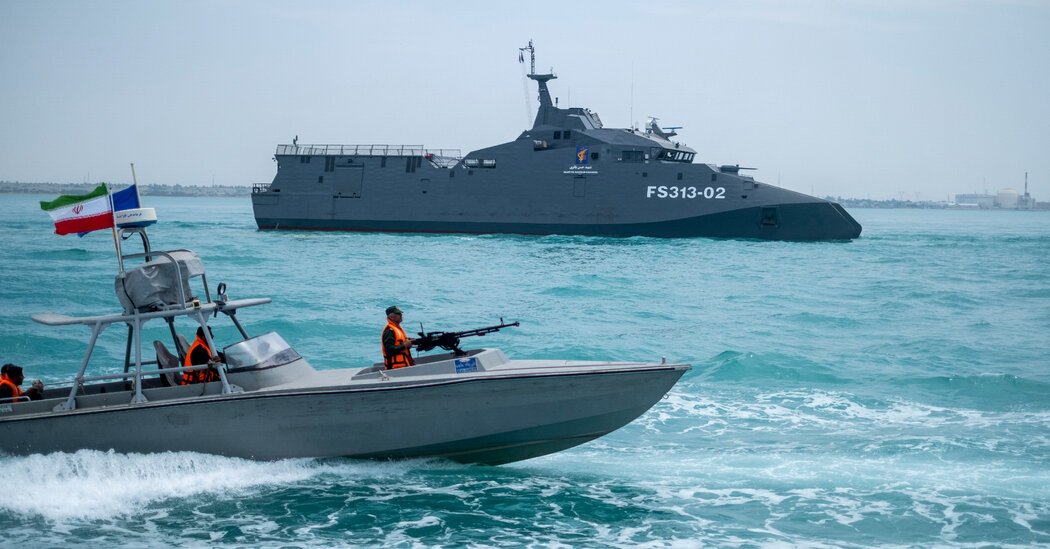
The Strait of Hormuz is the single most important oil and gas chokepoint on the planet. Since Iran sealed it in early March, global commodity markets have been in turmoil. The U.S. naval blockade on Iranian ports — which remains active even as Project Freedom is paused — has been costing Iran an estimated $500 million per day, according to U.S. figures, but the reverse pressure on global trade has been equally severe.
Markets reacted cautiously to Tuesday’s news. Oil prices pulled back slightly after Trump announcement but remained elevated, reflecting deep uncertainty about whether a diplomatic resolution is genuinely close or whether this is simply another pause in an unpredictable conflict that has already seen multiple broken deadlines and shifting red lines.
that has already seen multiple broken deadlines and shifting red lines.
Defense Secretary Pete Hegseth acknowledged that Iranian forces have attacked U.S. personnel more than 10 times since the ceasefire was declared. Yet the Joint Chiefs chairman, General Dan Caine, said the hostilities remain “below the threshold of restarting major combat operations.”
What Happens If Talks Fail Again?
Trump was characteristically blunt when asked what it would take for Iran to cross a line: “Well, you’ll find out, because I’ll let you know.” That kind of ambiguity has defined Washington’s approach throughout this crisis — deliberate unpredictability designed to keep Tehran guessing.
The White House formally declared Operation Epic Fury concluded last Friday to sidestep a 60-day Congressional war powers deadline. This gives the administration legal and political breathing room to pursue diplomacy. But it also means any return to military action would require fresh justification — and fresh political support.
Shipowners and operators, for their part, expressed caution. Sources in the maritime industry said the temporary pause in Project Freedom did little to change the underlying calculus for commercial traffic, with many vessels still choosing to stay out of the strait entirely until a more durable arrangement is in place.
Final Thought!
Trump suspension of the Hormuz operation is a calculated diplomatic pause, not a surrender. The U.S. blockade of Iranian ports continues, and Washington’s core demands — on nuclear limits and maritime freedom — remain non-negotiable.
What has changed is the window of opportunity: Pakistan has once again bought both sides time to find a deal. Whether Tehran and Washington can use that window wisely is the question the world is now watching.
READ MORE: Who Is Threatening Trump? Inside the Growing Security Concern
If diplomacy succeeds, it will cement Pakistan’s status as one of the most consequential mediators of the 21st century. If it fails, the Strait of Hormuz — and the global economy — remains in the crossfire.