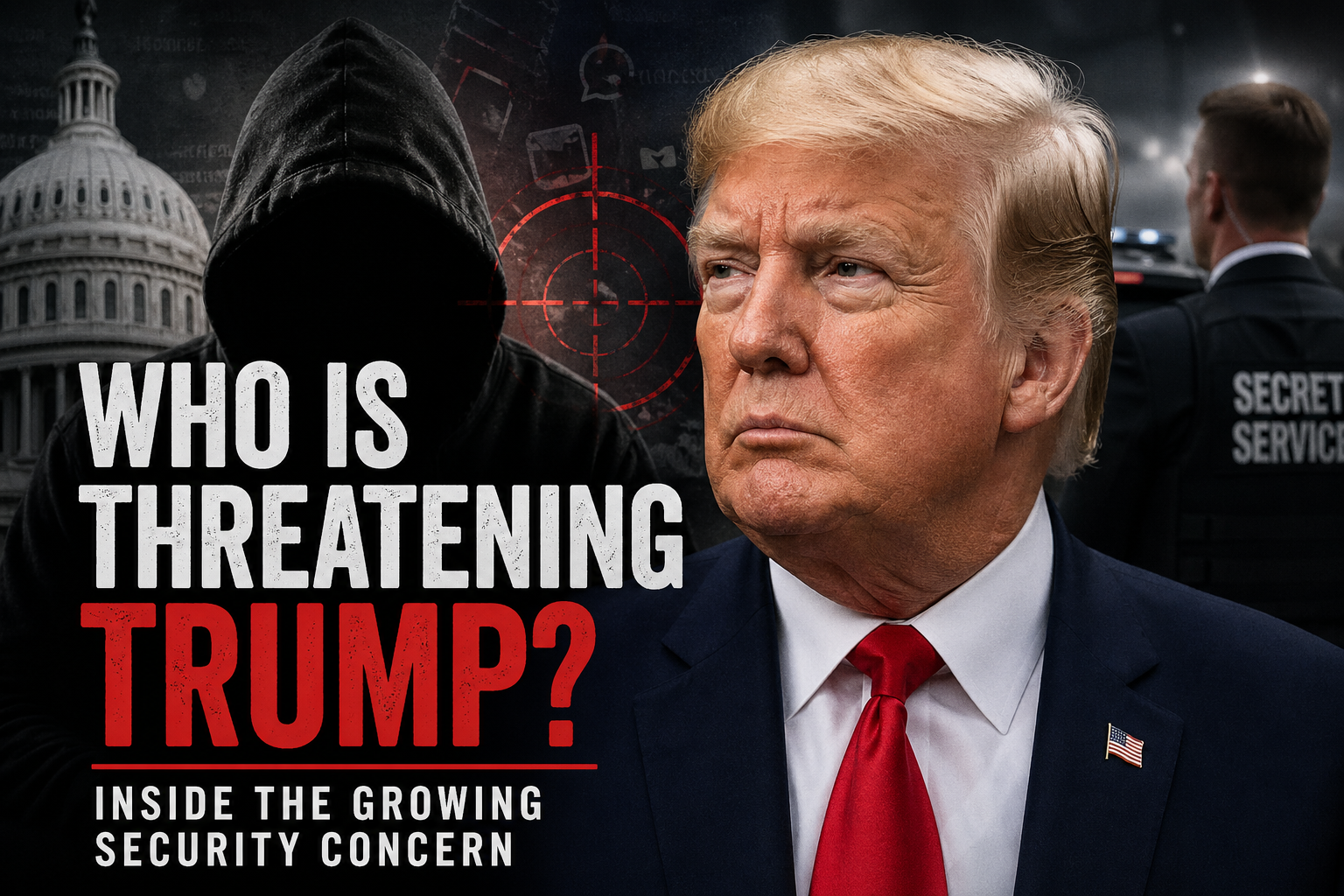

The question of who might target former — and now sitting — President Donald Trump has moved far beyond political chatter. With at least two serious assassination attempts in 2024, multiple ongoing federal investigations into threat actors, and a newly expanded Secret Service detail, the conversation around threats against Trump has become one of the most closely watched national security stories in modern American history.
Who is threatening Trump, where are those threats coming from, and what is the U.S. government doing about it? Here’s a clear-eyed breakdown.
The Two Attacks That Shook America
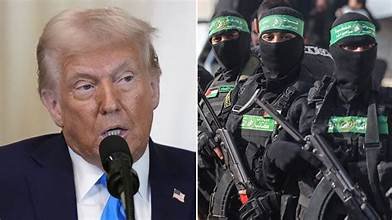
On July 13, 2024, a 20-year-old gunman named Thomas Matthew Crooks opened fire at a Trump rally in Butler, Pennsylvania. A bullet grazed Trump’s right ear. One attendee was killed, two others critically injured. It was the closest any American president or presidential candidate had come to assassination since Ronald Reagan in 1981.
Just two months later, in September 2024, Ryan Wesley Routh was arrested outside Trump’s golf course in West Palm Beach, Florida — armed with an AK-style rifle and waiting in the bushes for nearly 12 hours. He never got a shot off. Secret Service agents spotted him first.
Both events triggered urgent questions about security failures — and about the broader landscape of who exactly harbors violent intentions toward the 47th president.
Domestic Extremists: The Closest Threat
Law enforcement agencies, including the FBI and DHS, consistently cite domestic extremism as the single largest source of security threats against Trump. These include individuals radicalized online, lone wolves motivated by intense political grievance, and organized far-left groups that have publicly called for resistance against his presidency.
According to threat intelligence compiled after the Butler shooting, the typical profile of a domestic threat actor includes:
- Young males between ages 18–35 with documented histories of online radicalization
- Individuals with grievances tied to economic anxiety, social isolation, or ideological extremism
- People with prior criminal records or mental health crises that went unaddressed
- Those inspired — not directed — by foreign propaganda or extremist content
The challenge, experts say, is that many of these individuals show warning signs that fall below the legal threshold for preemptive arrest. By the time they act, the window for intervention has often passed.
Foreign State Actors: Iran Leads the List
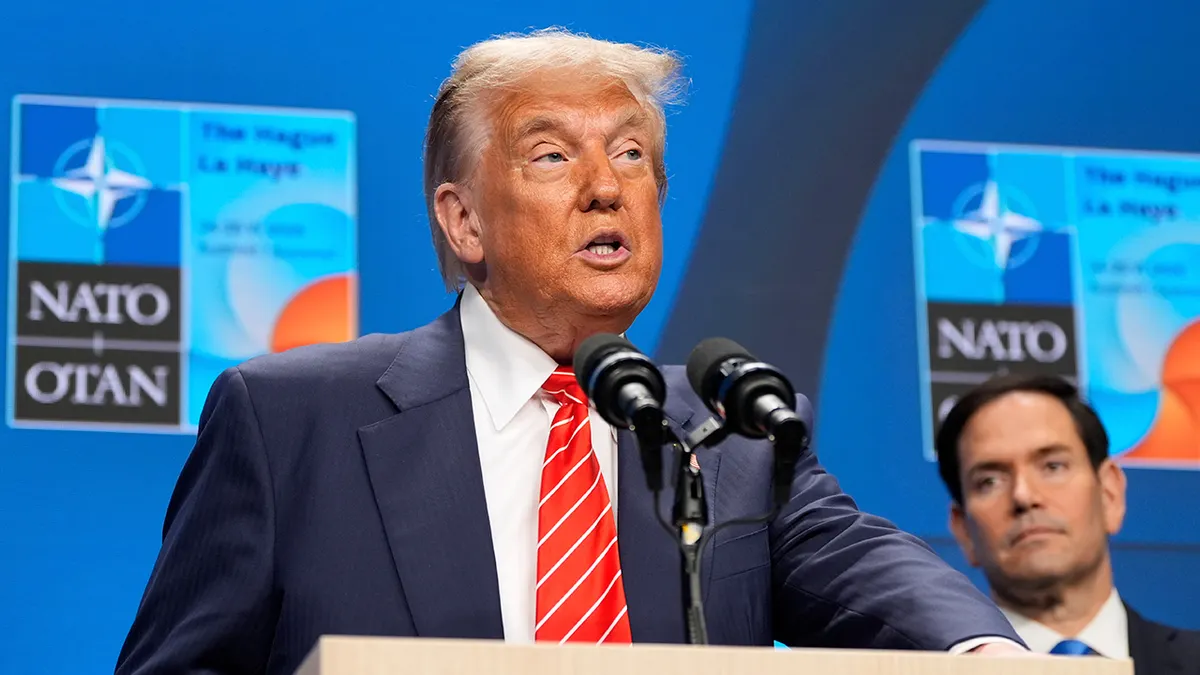
Beyond U.S. borders, foreign governments — particularly Iran — have made no secret of their hostility toward Trump. The Islamic Republic has never forgiven the January 2020 drone strike that killed General Qasem Soleimani, one of Iran’s most powerful military commanders, under Trump’s direct order.
In 2024, the Justice Department unsealed an indictment alleging that an Iranian national had been hired to assassinate Trump and other senior officials before the presidential election. The FBI confirmed the plot was “directed from Iran” — marking one of the most serious state-sponsored assassination attempts against an American political figure in decades.
Iran is not alone. Intelligence officials have also flagged threat activity linked to Russian and Chinese intelligence networks, though mostly in the form of influence operations and disinformation rather than direct physical threats — at least, as far as has been confirmed publicly.
Why the Threat Level Stays Elevated in 2025
Trump’s return to the White House has not reduced the threat environment — if anything, it has amplified it. His presidency has reignited passionate opposition, and with it, a rise in credible and non-credible threats being tracked by federal agencies.
Several factors are keeping the risk level high:
- Political polarization — The U.S. remains deeply divided, and extremist rhetoric on all sides has normalized language that can inspire violence.
- Social media radicalization — Platforms still struggle to contain content that glorifies or encourages political violence.
- Iran’s continued resolve — Officials say Tehran’s desire for revenge over Soleimani has not faded.
- Copycat risk — The visibility of the 2024 attacks may inspire others who see assassination as a path to notoriety.
- Gaps in intelligence sharing — The Butler shooting revealed lapses in communication between local law enforcement and the Secret Service that are still being addressed.
How the Secret Service Is Responding
Following the back-to-back failures of 2024, the Secret Service underwent a significant restructuring. Director Kimberly Cheatle resigned under bipartisan pressure. Congress launched investigations. And the agency received a supplemental budget increase to hire additional agents and upgrade surveillance technology.
Trump’s detail now includes a larger perimeter at public events, more advance work, and greater coordination with state and local police. Counter-drone technology has also been expanded after the Butler shooting exposed how rooftop surveillance lines can fail in crowded outdoor settings.
Officials have said — though not publicly in full detail — that threat assessments for Trump in his second term are being treated at the highest possible level of concern.
The Legal and Political Dimension
It is worth distinguishing between credible physical threats against Trump and the broader political opposition to his presidency. The vast majority of Americans who strongly oppose Trump — even those with fierce views — are not a security concern. The danger lies in a small, violent fringe that exists on multiple ends of the ideological spectrum.
Courts have sentenced Thomas Crooks’s surviving victims and continue to process the Routh case. Legal experts say both trials will serve as landmark moments in how America prosecutes political violence in the modern era.
What Experts Say About Preventing Political Violence
Political violence scholars argue that the root causes of assassination attempts are rarely just about one individual — they reflect broader social breakdowns. Dr. Robert Spitzer, a political scientist who studies American presidential security, has noted that “the more politically polarized a society becomes, the more it creates the conditions where political violence feels justified to someone on the margins.”
Prevention, experts say, requires a combination of better threat intelligence, stronger social support systems, de-radicalization programs, and — critically — a reduction in political rhetoric that frames opponents as existential enemies.
Read More: Trump US-Iran Talks Islamabad Gains Momentum
None of that is easy, and none of it happens quickly. Which is why, for now, the question of who might attack Trump remains a live, serious, and urgent national security issue.
Final Thought!
The threats against Trump are real, multi-layered, and coming from more than one direction. From lone domestic extremists radicalized on social media to state-sponsored plots hatched thousands of miles away, the security environment around the 47th president is unlike anything the Secret Service has managed in recent memory.
Understanding these threats — who is behind them, what motivates them, and how they are being stopped — is not just a political story. It is a story about the health of American democracy itself.