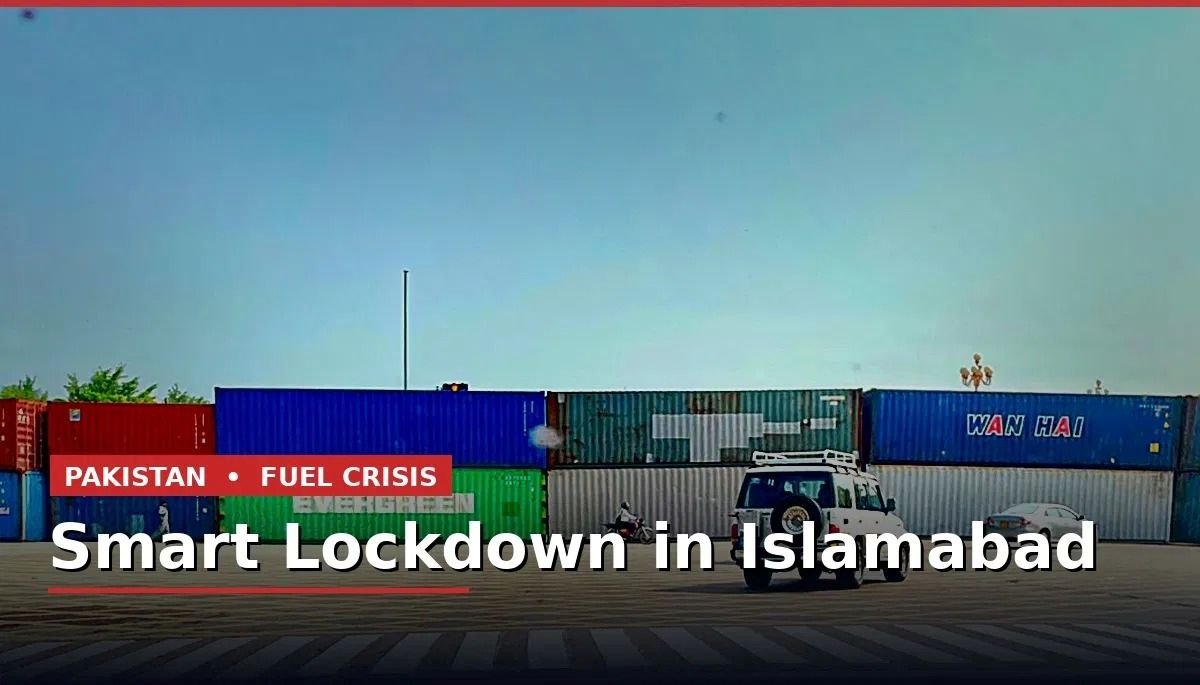

A new phrase has taken over Pakistani headlines this week, which is “Petroleum smart lockdown”, following reports that the federal government is seriously considering a four day working week to cut fuel consumption. For a country already dealing with painful petrol price hikes, the idea alone has sparked genuine anxiety among traders, workers, and ordinary commuters.
A high level meeting chaired by Prime Minister Shehbaz Sharif reviewed multiple proposals on Tuesday, though officials have offered somewhat mixed signals about how far things will actually go.
What This Proposed Lockdown Would Look Like
The core idea revolves around drastically reducing unnecessary travel and fuel use across the country. Under the leading proposal, public and private offices would operate just four days a week with Friday, Saturday, and Sunday observed as holidays specifically to cut down on transportation and road traffic.
That is not the only measure on the table either. A rotational work formula for government employees is also being discussed, where staff from different departments would attend office on staggered schedules rather than everyone commuting at once. Alongside that, officials reportedly considered grounding fifty percent of all government vehicles, a move aimed squarely at cutting institutional fuel expenses rather than affecting ordinary citizens directly.
Markets have not been left out of the conversation. One proposal suggests closing markets for three days a week, paired with reduced daily operating hours even on the days they do stay open.
Why This Is Happening Right Now
Context matters enormously here, and it explains why officials are even entertaining such disruptive measures. Petrol prices have already climbed to Rs375.82 per litre, with diesel sitting even higher at Rs403.32, driven largely by an escalating Middle East crisis that keeps disrupting global oil supply routes.
The government’s thinking is simple, noting the core aim was to “shield the national exchequer and the public from the impact of rising international petroleum prices.” That is essentially the government trying to protect both its own budget and everyday citizens simultaneously, a genuinely difficult balancing act given how unpredictable global oil markets have become this year.
It is also worth remembering this is not happening in isolation. Just days earlier, the government rolled out a separate Rs100 per litre fuel relief scheme for motorcycles, rickshaws, and small cars. Together, these two moves suggest officials are trying to soften the blow for regular households while simultaneously cutting national fuel consumption at a structural level.
Mixed Signals From Government Officials
Here is where things get genuinely confusing for ordinary Pakistanis trying to figure out what is actually happening. While multiple sources confirmed the smart lockdown proposal had moved forward, Federal Minister for Climate Change Senator Musadik Malik pushed back publicly during a press conference in Islamabad.
He stated plainly that there had been “no discussion so far about moving towards a smart lockdown,” instead pointing to smaller austerity steps already underway, like restaurants and wedding halls closing at fixed times each night. He added that a broader new energy policy was still being finalized, with full details to be shared once it’s ready.
Separately, Prime Minister’s Coordinator Rana Ehsan Afzal offered reassurance about fuel availability itself, distinct from the lockdown question entirely. “There is no supply issue in the near future when it comes to petrol and diesel,” he said during a Geo News programme, adding confidently that Pakistan was not facing anything close to a genuine shortage crisis compared to other countries in the region.
How Traders and the Public Are Reacting
Unsurprisingly, the mere possibility of forced market closures has already triggered pushback. Pakistan’s largest traders body has reportedly threatened protests if the government moves ahead with mandatory closures, warning of serious economic disruption for small businesses that depend on steady daily footfall.
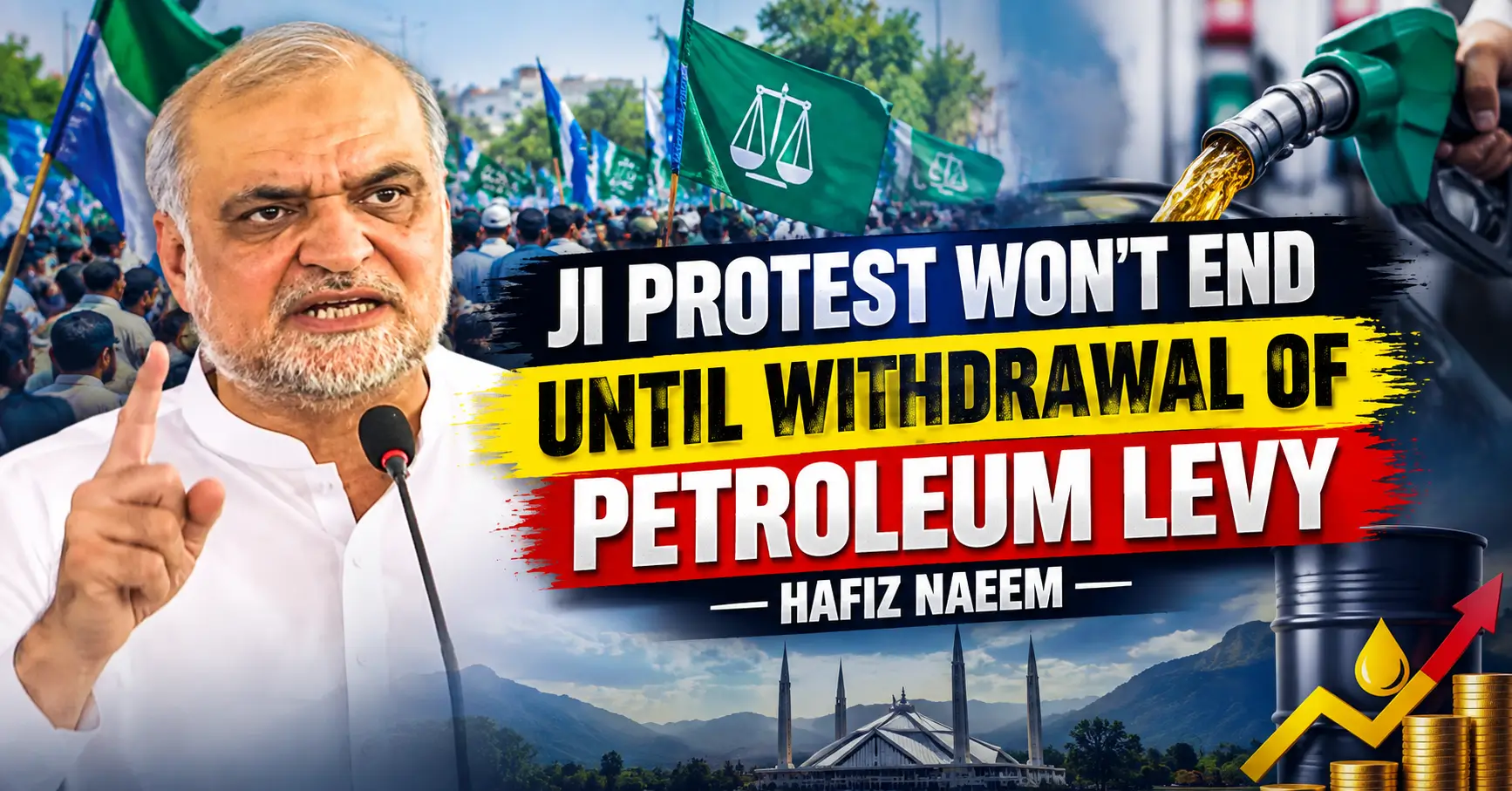
Political reactions have added more noise to an already tense situation. Separately, religious and political figures have used the moment to amplify broader complaints about petroleum pricing altogether, with one leader reportedly announcing plans for an Islamabad march specifically demanding an end to the petroleum levy.
For now, no final decision has been formally announced. Whether it becomes a genuine four day workweek nationwide, a lighter set of voluntary measures, or gets shelved entirely under public pressure, one thing already seems clear. Pakistanis are bracing themselves for whatever comes next, watching closely to see just how far the government is willing to go to manage this fuel crisis.