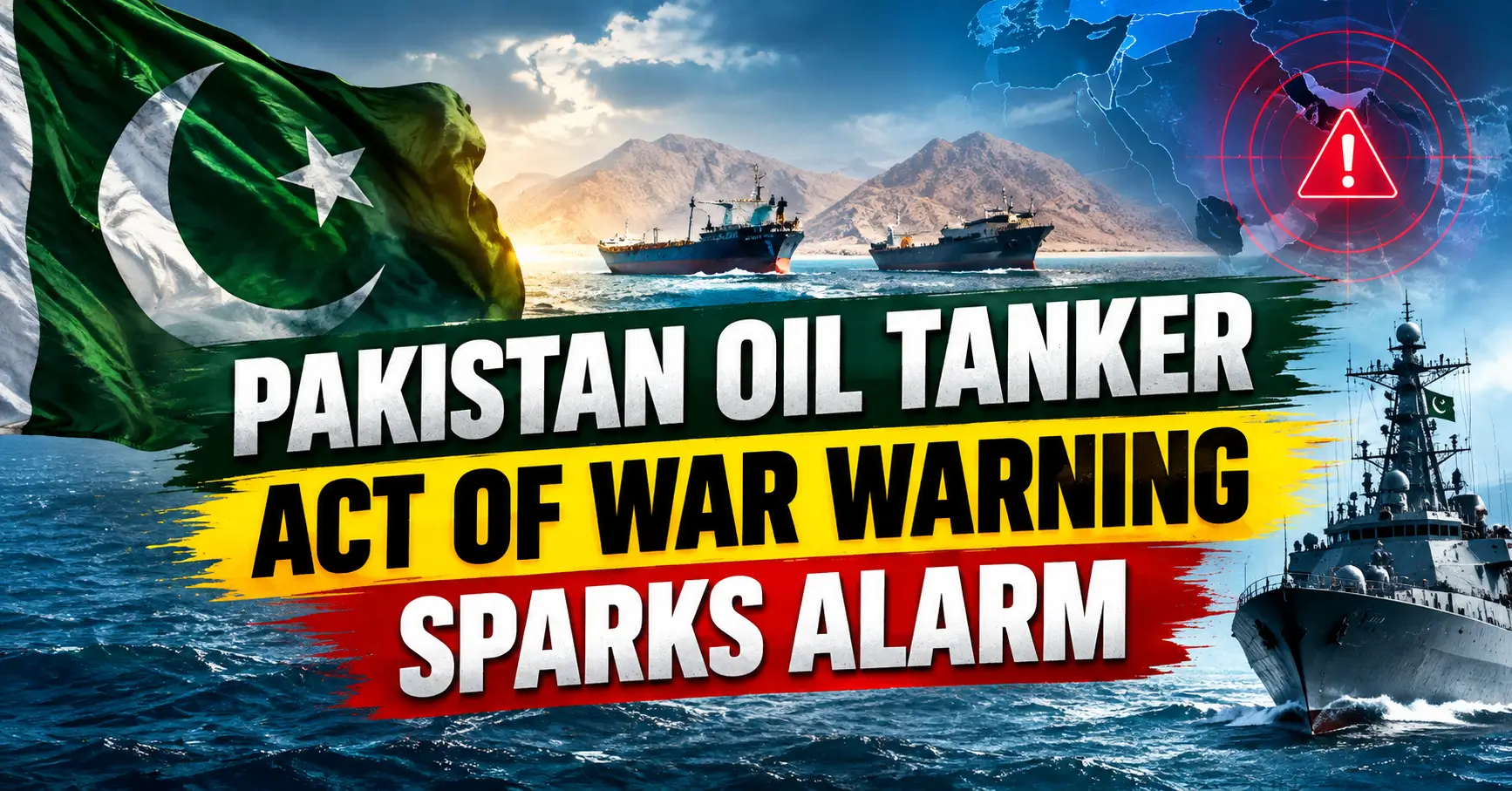

Pakistan’s oil tanker act of war warning has landed like a diplomatic thunderclap. An empty vessel, stranded in the Red Sea near Saudi Arabia’s East-West Pipeline, has suddenly become a flashpoint that could pull Islamabad deeper into a regional energy crisis it didn’t start.
Pakistan’s “Act of War” Warning Explained
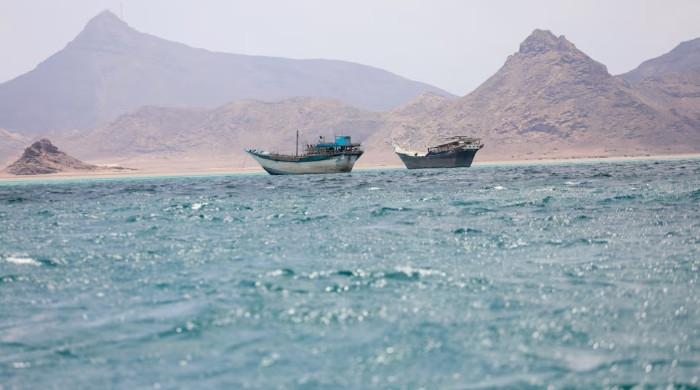
The Pakistan oil tanker act of war statement came directly from Petroleum Minister Ali Pervaiz Malik, speaking to a private news channel. He made clear the tanker cannot simply sit idle in contested waters indefinitely.
“We will have to move it one way or another,” Malik said, adding that Saudi authorities had specifically requested the vessel remain on standby for now, complicating Islamabad’s calculations further.
- Vessel: empty oil tanker, Pakistan-linked
- Location: Red Sea, near Saudi East-West Pipeline
- Status: stranded, awaiting government decision
Why the Saudi Pipeline Shutdown Matters
The pipeline at the center of this standoff isn’t a minor asset. It has functioned as Saudi Arabia’s critical workaround for exporting oil while the Strait of Hormuz remains disrupted by wider regional conflict.
Shut down last week after Houthi strikes, the pipeline may stay offline for up to six weeks. That extended closure is precisely what’s forcing Pakistan’s hand on tanker logistics and crude sourcing.
The Houthi Attacks Driving the Crisis

Houthi forces have escalated near-daily attacks on Saudi Arabia over roughly two weeks, seizing additional Yemeni territory in the process. Their tightening control over the Bab al-Mandab strait threatens a second global shipping chokepoint.
READ MORE: JI protest won’t end until withdrawal of petroleum levy: Hafiz Naeem
That strait sits at the Red Sea’s southern entrance, and any disruption there compounds problems already caused by the Strait of Hormuz standoff, squeezing global energy markets from two directions simultaneously.
Petroleum Minister’s Options for the Stranded Tanker
Malik outlined three realistic paths forward for the vessel, each carrying distinct trade-offs for cost, timing, and diplomatic optics with Riyadh.
| Option | Description | Key Trade-off |
|---|---|---|
| Hold position | Keep tanker at pipeline until it reopens | Risk of attack, prolonged limbo |
| Reroute home | Sail via Oman or UAE | Safer, but delays crude delivery |
| Source elsewhere | Secure crude from Libya | Diversifies supply, new logistics needed |
None of these options is cost-free, and each depends heavily on how quickly Saudi Arabia can restore pipeline operations.
Pakistan Diesel Reserves Under Pressure

Malik’s warning wasn’t purely rhetorical posturing. He flagged that Pakistan’s diesel stocks cover only the current month and the one following it, a genuinely tight margin for a country reliant on imported fuel.
- Diesel stock buffer: current month plus one
- Primary risk: prolonged pipeline closure delaying crude shipments
- Secondary risk: rerouting delays adding further weeks to supply timelines
Any further disruption to crude flows would translate quickly into real shortages at Pakistani pumps.
The Makkah Defence Agreement Factor
Context matters here. Pakistan, Saudi Arabia, and Turkiye signed the Makkah Joint Defence Agreement last month, a trilateral framework often compared to NATO-style collective defense arrangements.
Pakistan has previously indicated that any direct attack on Saudi Arabia could activate this pact. PM Shehbaz Sharif reiterated Islamabad’s “unwavering support” for Riyadh and condemned a drone strike targeting the holy city of Makkah itself.
What This Means for Ordinary Pakistanis
Beyond diplomatic signaling, this crisis has a direct line to household budgets. Diesel shortages historically push up transport costs, agricultural input prices, and eventually food prices across Pakistan’s supply chains.
Islamabad’s foreign office has stressed no military action is currently under discussion, with spokesperson Sajjad Haider Khan noting Pakistan would “act when the time comes” under the defense framework, not preemptively.
What Happens Next
The coming weeks hinge on two variables: how fast Saudi Arabia restores the East-West Pipeline, and whether Houthi attacks near Bab al-Mandab escalate further. Both will shape Pakistan’s final decision on the tanker.
Notably, Pakistani-flagged vessels have continued transiting the Strait of Hormuz throughout the broader US-Iran conflict, with Islamabad playing an active mediating role — a track record that may inform how it handles this latest standoff too.