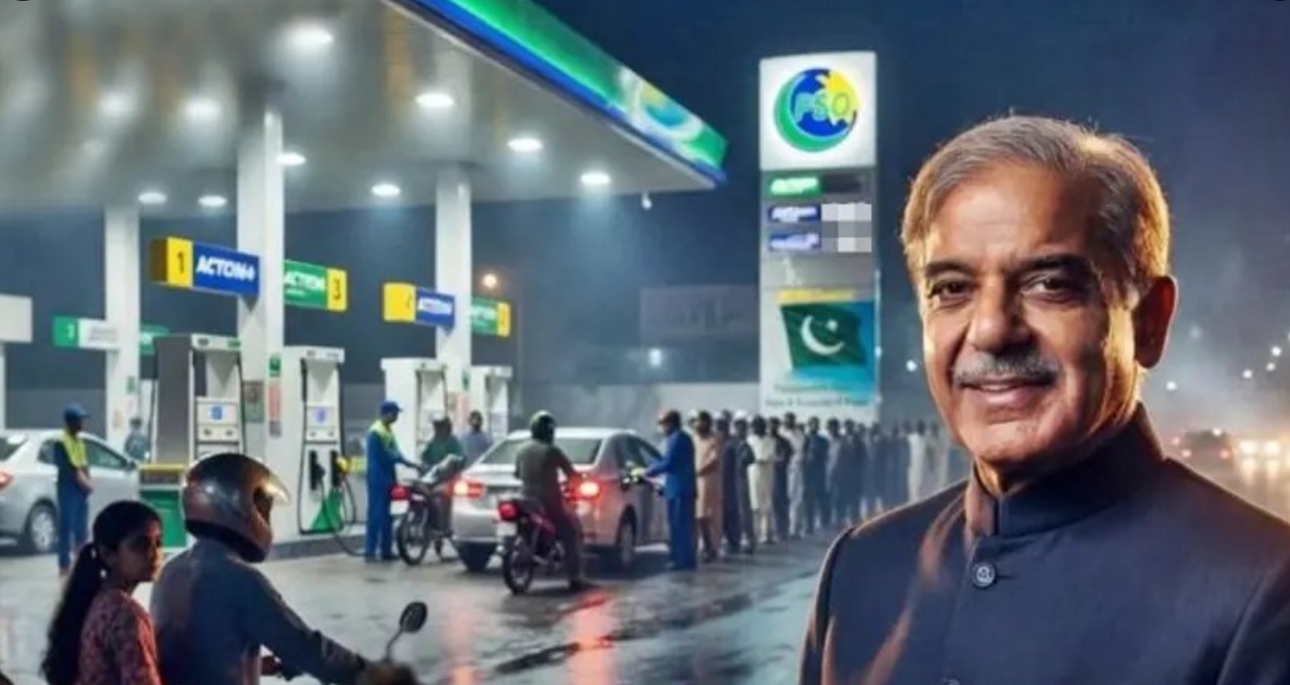

Petrol prices are once again increased just after a day of shocking Rs 12.09 hike on September 8. Pakistanis are checking fuel prices every single morning now. Petrol now costs Rs. 364.35 per litre as of September 9, a jump of Rs. 5.58 in just one day. For families running tight monthly budgets, this kind of back to back increase is hard and difficult to keep up with.
The reason behind these rapid swings is not random either. It comes down to a major shift in how Pakistan now sets its fuel prices altogether.
Why Prices Are Changing So Often Now
Until recently, Pakistan revised petroleum prices on a fortnightly basis, giving consumers at least some predictability. That changed dramatically this year. The government introduced a daily pricing mechanism, meaning petrol and diesel rates can now shift every single day depending on global oil markets.
Petroleum Minister Ali Pervaiz Malik explained the logic behind this move during a press briefing. He said the new system relies on “a rolling seven day average of international petroleum prices,” designed to bring Pakistan’s fuel pricing closer in line with how global markets actually operate. Under this framework, OGRA can announce updated rates without waiting for prior approval from the Prime Minister or the federal cabinet.
There is a reason this shift happened the renewed tension around the Strait of Hormuz, a critical route for global oil shipments, has been shaking international energy markets for months now. When crude oil prices spike overseas, Pakistan’s import costs rise almost immediately, and under the new mechanism, that increase reaches the pump within a day or two rather than weeks later.
The numbers over the past week tell the story clearly. Petrol sat at Rs. 349 on September 4, dropped slightly to Rs. 345.87 for a few days, then jumped sharply to Rs. 358.77 on September 8, before climbing again to Rs. 364.35 the very next day. That is not a slow, gradual trend. Everyday consumers are the ones stuck to it as they are helpless.
How This Actually Hits Household Budgets
For most Pakistani families, petrol is tied to almost everything in daily life, commuting to work, running errands, dropping kids off at school, and increasingly, the price of goods sitting on grocery store shelves.
Motorcycle owners and daily commuters feel these hikes almost instantly. Someone filling up a bike tank two or three times a week now spends noticeably more each month compared to just a few weeks ago.
Rising diesel prices, which climbed to Rs. 385.95 per litre alongside the latest petrol hike, hit truckers, bus operators, and farmers particularly hard. Since diesel powers most freight transport and agricultural machinery across Pakistan, higher diesel costs tend to ripple straight into the price of vegetables, flour, and other everyday essentials.
There is also the tax angle the federal government continues to charge a fixed levy of Rs. 114 per litre on petrol and Rs. 100 per litre on diesel, regardless of how international prices move. That means even when global crude softens slightly, Pakistani consumers rarely see the full benefit passed down to them at the pump.
What Comes Next for Pakistani Consumers
Nobody can predict exactly where petrol prices head next. Under the current system, prices can rise or fall daily, based purely on international market shifts and currency movement against the dollar.
Officials argue that when global oil prices eventually cool down, Pakistani consumers should see relief reflected at the pump much faster than under the old fortnightly system. Whether that promise holds up in practice remains to be seen, especially with regional tensions still simmering around key oil shipping routes.
Fuel prices might just be numbers on a notification for some, but for millions of Pakistani households, every rupee added per litre translates directly into a tighter squeeze on already stretched monthly budgets.