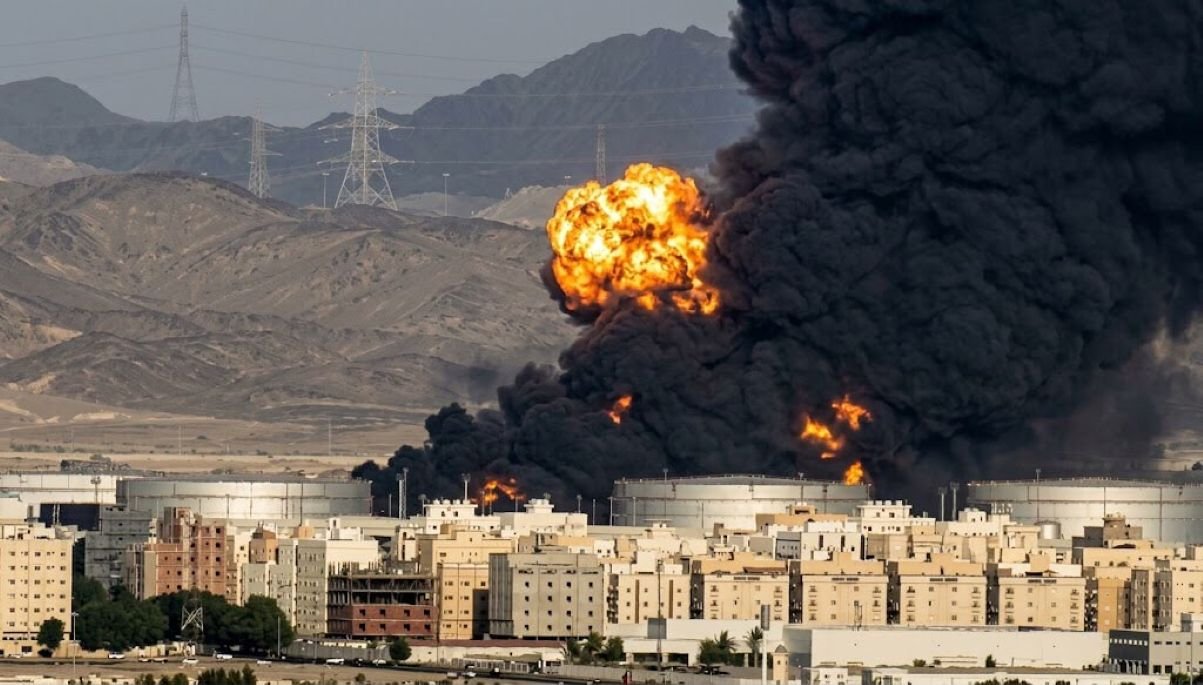
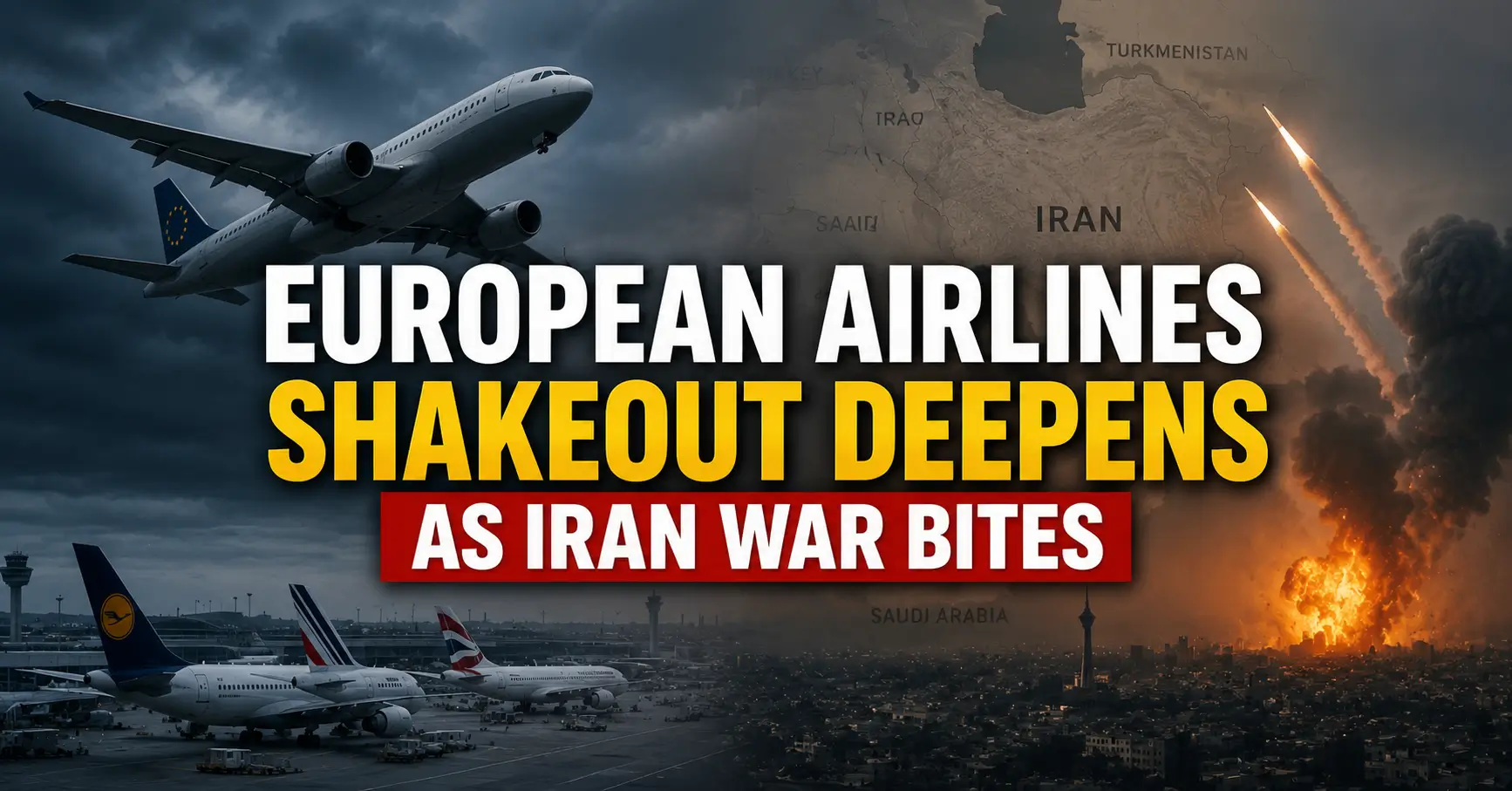

The European airlines shakeout long predicted by analysts is no longer theoretical. It’s happening in real time, and the trigger is unmistakable: renewed conflict around Iran has sent jet fuel costs surging, and Europe’s financially fragile carriers are running out of road.
Within weeks of each other, three of the continent’s best-known airline names — easyJet, airBaltic, and Norse Atlantic have landed in the headlines for reasons no airline wants: takeover talk, default risk, and emergency strategic reviews.
Iran War Fuel Shock Sets the Stage for a Shakeout
Jet fuel prices have climbed sharply since the conflict escalated on February 28, 2026, after the effective closure of the Strait of Hormuz choked off roughly 360,000 barrels a day of jet fuel that normally flowed through the waterway. Europe, which imports close to a third of its jet fuel, felt the pain almost immediately.
Lufthansa alone announced plans to cut 20,000 flights through the fall to conserve fuel spending. Analysts at Societe Generale described Europe’s scramble for alternative cargoes from the U.S. and Nigeria as a fight “against Singapore, against Australia” for every available shipment. Key figures from the crisis:
- Jet fuel prices have risen sharply since the war’s outbreak on February 28, 2026
- Europe’s six biggest jet fuel consumers meet only about 63% of demand domestically
- The UK imports roughly 65% of its jet fuel needs from abroad
- Middle East flight volumes dropped 50% year-on-year in March 2026
easyJet’s Bidding War: Castlelake vs Apollo

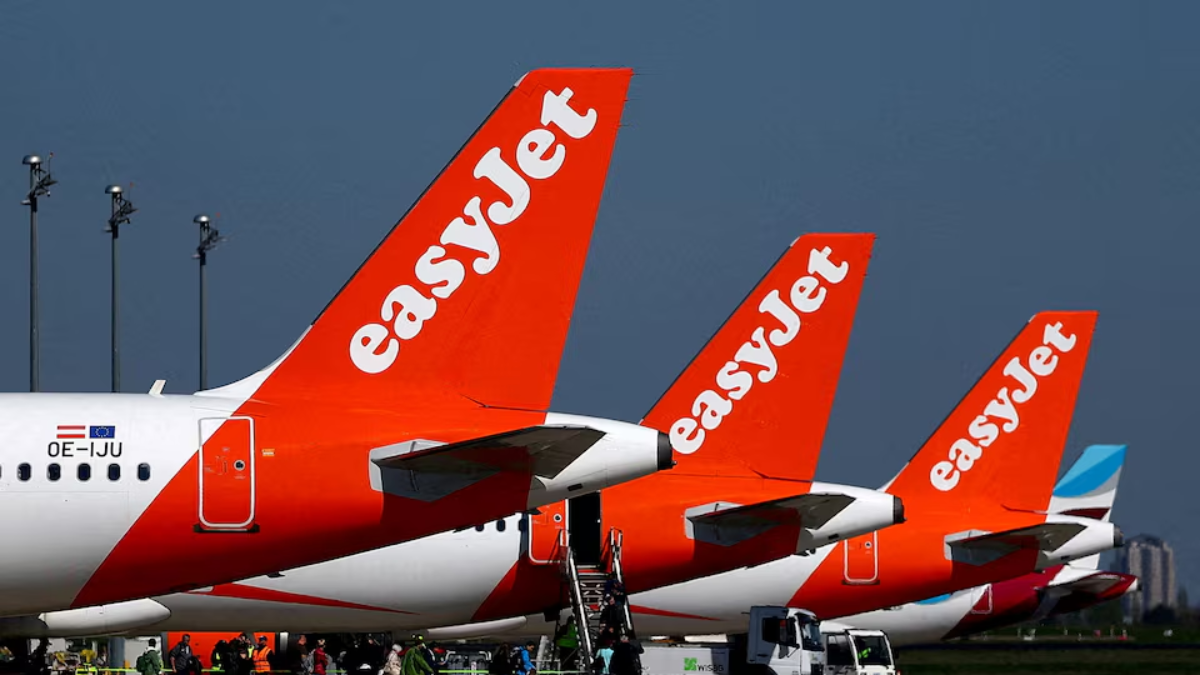
No storyline captures the shakeout better than easyJet. The 30-year-old British budget carrier, long a fixture on the London Stock Exchange, is now on track to go private but not without a fight between two American suitors.
U.S. private equity firm Castlelake secured an agreement in principle on July 5, 2026, offering 690 pence per share, valuing easyJet at roughly £5 billion ($6.7 billion).
Shares jumped nearly 10% on the news. Just days later, on July 10, rival U.S. firm Apollo topped that with a £7.15-per-share offer, valuing the airline closer to £5.7 billion ($7.7 billion), prompting easyJet’s board to say it was “no longer minded to recommend” Castlelake’s proposal.
Castlelake has until August 3, and Apollo until August 7, to submit binding offers under U.K. takeover rules. Either way, one of Europe’s most recognisable low-cost brands looks headed off the public markets — at a valuation still well below its pre-pandemic peak.
airBaltic and Norse Atlantic: The Weakest Links
Not every struggling carrier has a bidding war working in its favour. Latvia’s airBaltic has been seeking short-term financing to avoid default, with the yield on its 2029 bond spiking this year — a clear signal that investors see rising risk. The airline declined to comment when approached.
READ MORE: Strait of Hormuz Tensions Escalate After 140 US Strikes
Norway’s Norse Atlantic, meanwhile, is undertaking a strategic review after its shares collapsed to near zero since its high-profile 2021 listing. Poland’s LOT has also long been viewed as a likely consolidation target, though the carrier maintains its business model “demonstrated the strength” of its long-term strategy.
Wizz Air’s Balance Sheet Under the Microscope

Budget carrier Wizz Air has drawn particular scrutiny. Analysts have flagged its balance sheet as vulnerable, making it a potential consolidation target should conditions worsen. CEO Jozsef Varadi has pushed back on the concern, insisting the airline has “enough liquidity” — while also acknowledging he expects more bankruptcies across the sector by the end of summer, as winter bookings soften.
“We remain opportunistic,” Varadi said, suggesting Wizz could pick up routes abandoned by weaker rivals rather than become one itself.
What Industry Leaders Are Saying
Interpath’s Barema Bocoum, who advises airlines on restructuring, said his firm is currently “pitching… four or five very large airlines on restructuring situations just at the moment across Europe.” He warned the real pressure point may come later: “The usual thing is that airlines run out of cash in February.”
Willie Walsh, director general of IATA, was blunter still: “Unfortunately, I think there will be some carriers that will find this high fuel price very difficult to cope with,” he said, predicting some airlines would either fail or be absorbed by larger competitors.
Who’s at Risk
| Airline | Country | Current Situation |
|---|---|---|
| easyJet | UK | Bidding war between Castlelake and Apollo; going private |
| airBaltic | Latvia | Seeking financing to avoid default; bond yields spiking |
| Norse Atlantic | Norway | Strategic review; shares near zero |
| LOT | Poland | Long-rumoured consolidation target |
| Wizz Air | Hungary/UK | Balance sheet flagged as vulnerable by analysts |
What This Means for Travelers and Investors
For passengers, the immediate fallout is higher fares and reduced capacity, as carriers pass on fuel costs and trim schedules to survive. For investors, the message from Bocoum, Walsh, and rating agencies alike is consistent: the industry’s post-COVID recovery masked deeper structural weaknesses that a single geopolitical shock has now laid bare.
The global airline industry nearly halved its 2026 profit forecast last month, and with easyJet’s fate still being decided between two rival bidders, the shakeout is likely to produce more headlines before it produces resolution.