
Trump Weighs $300 Billion Offer to Iran as 60-Day Truce Deal Nears Final Signature
A massive reconstruction fund, nuclear concessions, and Strait of Hormuz access are on the table as Washington and Tehran inch toward a fragile peace framework.

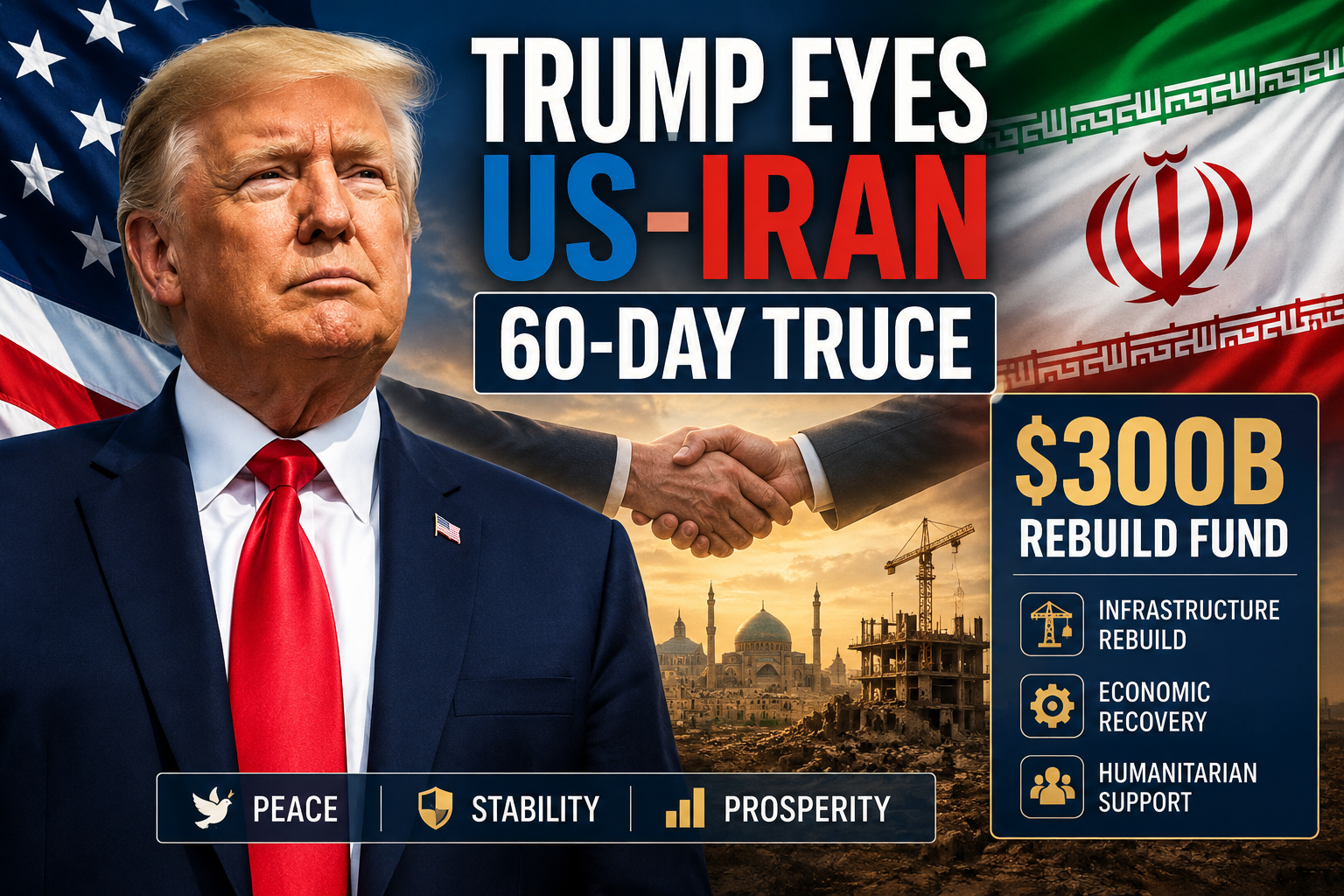
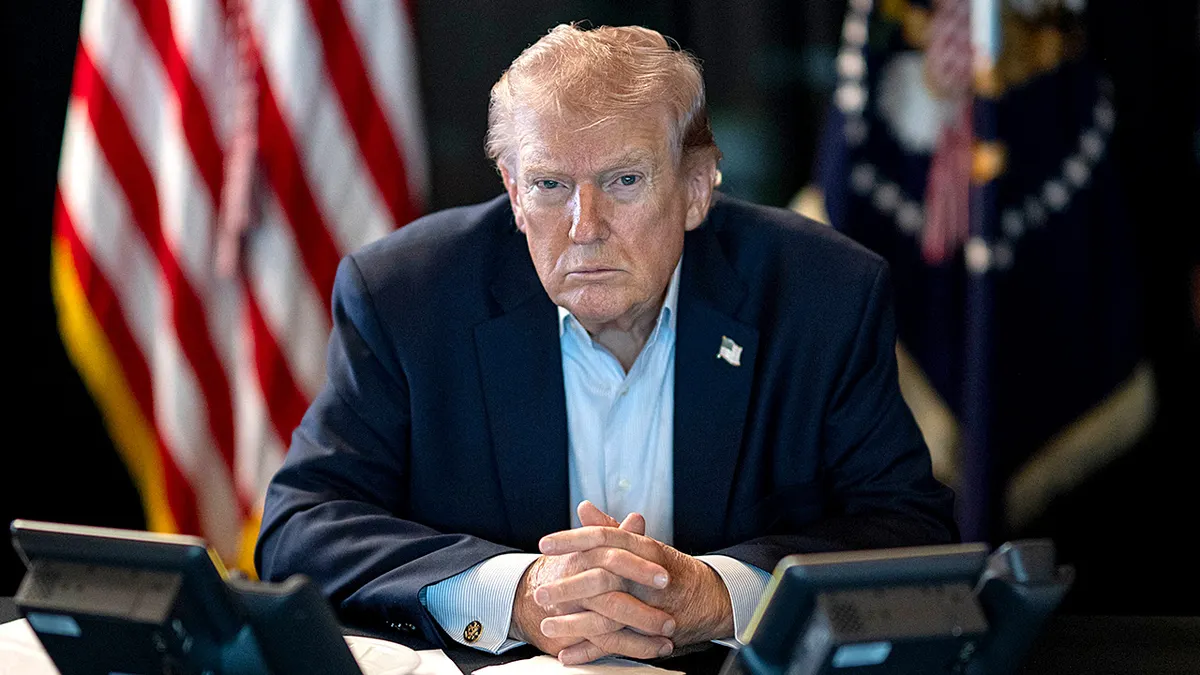
Washington and Tehran are on the edge of a landmark agreement that could reshape Middle East geopolitics for years to come. According to multiple senior officials, the two sides have tentatively agreed on a framework involving a US-Iran 60-day truce deal, the reopening of the Strait of Hormuz, and a staggering $300 billion international reconstruction and investment fund for Iran — contingent on final approval from President Donald Trump. If signed, the deal would mark the most significant diplomatic breakthrough between the two nations in decades.
What’s Actually Inside the Deal?
The draft memorandum of understanding, still awaiting Trump’s formal sign-off, covers several interconnected issues that have kept US-Iran negotiations deadlocked for months. The most eye-catching element is a proposed $300 billion investment and reconstruction fund that Iranian officials say would serve as compensation for the economic devastation Iran suffered during the conflict. Tehran had originally demanded anywhere between $300 billion and $1 trillion in war damages, making this fund a carefully calibrated middle ground.
US diplomats have framed the fund more cautiously, referring to it in their draft language as an “international investment fund” rather than outright war reparations — a distinction that matters politically on both sides of the table. The idea is said to have originated with Trump’s Middle East envoy Steve Witkoff and his son-in-law Jared Kushner, both former real estate developers with a track record of proposing unconventional economic frameworks in diplomatic settings.
The Strait of Hormuz: The Key to Unlocking the Deal
At the heart of the proposed US-Iran 60-day truce deal is the Strait of Hormuz, the narrow waterway through which roughly one-fifth of the world’s oil supply flows. Since Iran closed and mined the strait earlier this year, global energy markets have been thrown into turmoil, with oil prices spiking and supply chains straining worldwide.
Under the draft terms, Iran would agree to clear the mines it deployed and reopen the strait to commercial vessels with no tolls charged during the 60-day window. In exchange, the United States has agreed to lift its naval blockade on Iranian ports and issue sanctions waivers that would allow Tehran to sell oil freely on international markets — a critical economic lifeline for an economy battered by years of sanctions and three months of active conflict.
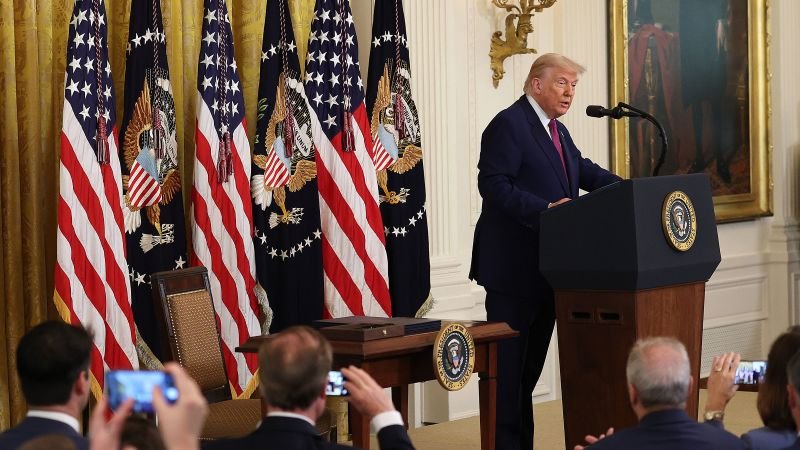
“It is always a mistake to get out ahead of the president — it is all going to be the president’s decision.”
— US Treasury Secretary Scott Bessent, May 2026
Nuclear Concessions: The Hardest Part
Beyond the economic terms, the deal also touches on one of the most sensitive issues in international security: Iran’s nuclear programme. Trump has long maintained three non-negotiable red lines — the reopening of the Strait of Hormuz, Iran relinquishing its stockpile of highly enriched uranium, and a full halt to its nuclear weapons development track.
Where the two sides still disagree
An Iranian source cited by Tasnim, Tehran’s semi-official news agency, flatly denied reports from US officials that Iran had agreed to hand over its uranium stockpile. Trump himself had previously insisted the stockpile be transferred to the United States, but has since signalled some flexibility — suggesting dilution under international inspectors or transfer to a neutral third country could also be acceptable. What remains firmly off the table, he made clear, is allowing Russia or China to take custody of the material.
As part of the proposed framework, the US has agreed not to impose additional sanctions on Iran during the final negotiation window. If a comprehensive final deal is eventually reached, existing American sanctions would be lifted in phases, and approximately $24 billion in Iranian assets currently frozen in overseas banks would be released incrementally — another key demand from Tehran.
The Lebanon Clause — and Why Israel Is Watching Closely
One of the more politically charged elements of the emerging deal is a Lebanon clause designed to address the ongoing conflict involving Hezbollah. An earlier ceasefire framework had explicitly excluded Lebanon from its scope, drawing a sharp public rebuke from Tel Aviv, which insisted the US-Iran truce did not cover Lebanese territory.
The new proposal attempts to bridge that gap by including a provision aimed at ending hostilities related to Hezbollah’s military operations. Israeli Prime Minister Benjamin Netanyahu and President Trump have reportedly clashed over this specific clause, creating friction between two close allies who otherwise see eye-to-eye on keeping Iran’s regional influence in check.
How the Conflict Got Here: A Brief Timeline
- February 28, 2026: The US and Israel launched airstrikes against Iran, killing its supreme leader and triggering the full-scale conflict.
- Early March: Iran retaliated with missile and drone strikes and closed the Strait of Hormuz, sending oil prices above $100 per barrel.
- April 8: Pakistan brokered an initial two-week ceasefire. Both sides accepted conditionally; violations followed almost immediately.
- Late April–May: Multiple ceasefire extensions were negotiated, but talks remained stuck on nuclear and reconstruction terms.
- Late May 2026: A 60-day truce framework emerged as the most detailed proposal yet — now awaiting Trump’s final approval.
The Economic Toll That’s Pushing Both Sides Toward a Deal
Perhaps more than any diplomatic argument, raw economics are doing the heavy lifting here. Analysts at the American Enterprise Institute estimate that Operation Epic Fury has cost the United States between $22 billion and $31 billion in just its first five weeks alone — at a burn rate approaching $500 million per day. That figure doesn’t account for the broader economic drag: disrupted global oil supplies, strained allied relationships, and the downstream costs of a prolonged regional war.
READ MORE: Field Marshal Munir Flies to Tehran as Pakistan Pushes to End the US-Iran War
For Iran, the damage is even more severe. Internal Iranian figures suggest direct economic losses of around $300 billion — a number that, perhaps not coincidentally, aligns almost exactly with the reconstruction fund being proposed. The country’s energy sector has been crippled, its military infrastructure degraded, and its civilian population subjected to months of aerial bombardment. The economic case for a deal, on both sides, is hard to ignore.
What Happens Next?
The deal, as described by US officials who spoke to Axios and other outlets, is essentially a memorandum of understanding — a bridge agreement designed to create space for the much harder, more detailed final negotiations still to come. Even if Trump signs off, the 60-day window is not a peace treaty. It is a pause that would allow diplomats to work on the permanent settlement that neither side has yet agreed to.
Pakistan, which has played the central mediating role throughout the conflict, remains the key back channel. Iranian officials have said publicly that if the text is finalised, Tehran will communicate its acceptance through the Pakistani mediator — not through any direct announcement. That kind of careful, face-saving language is a reliable sign that both sides are closer to agreement than their public posturing suggests.
For now, the world watches and waits. Global oil markets have already begun pricing in the possibility of a deal, with prices easing from their conflict-era highs. Stock markets, too, have shown cautious optimism. But as Treasury Secretary Bessent made clear, until Trump signs, nothing is official — and with this president, the final word can shift right up to the last moment.
Final Thought!
The proposed US-Iran 60-day truce deal represents the most serious attempt yet to end a conflict that has upended global energy markets, strained US alliances, and cost hundreds of billions of dollars on both sides.
With a $300 billion reconstruction fund, Strait of Hormuz access, phased sanctions relief, and nuclear negotiations all bundled into one framework, the stakes could not be higher.
Whether Trump gives it his blessing remains the single biggest variable in the equation. Bookmark this page and follow updates as the story develops.