
Government Silently Slaps Rs 28.7 Tax on Every Litre of Diesel — And Quietly Trims Petrol Levy
A midnight notification from the Petroleum Division reshuffles Pakistan’s fuel tax structure, hitting transporters and farmers hardest while offering limited relief to petrol users.
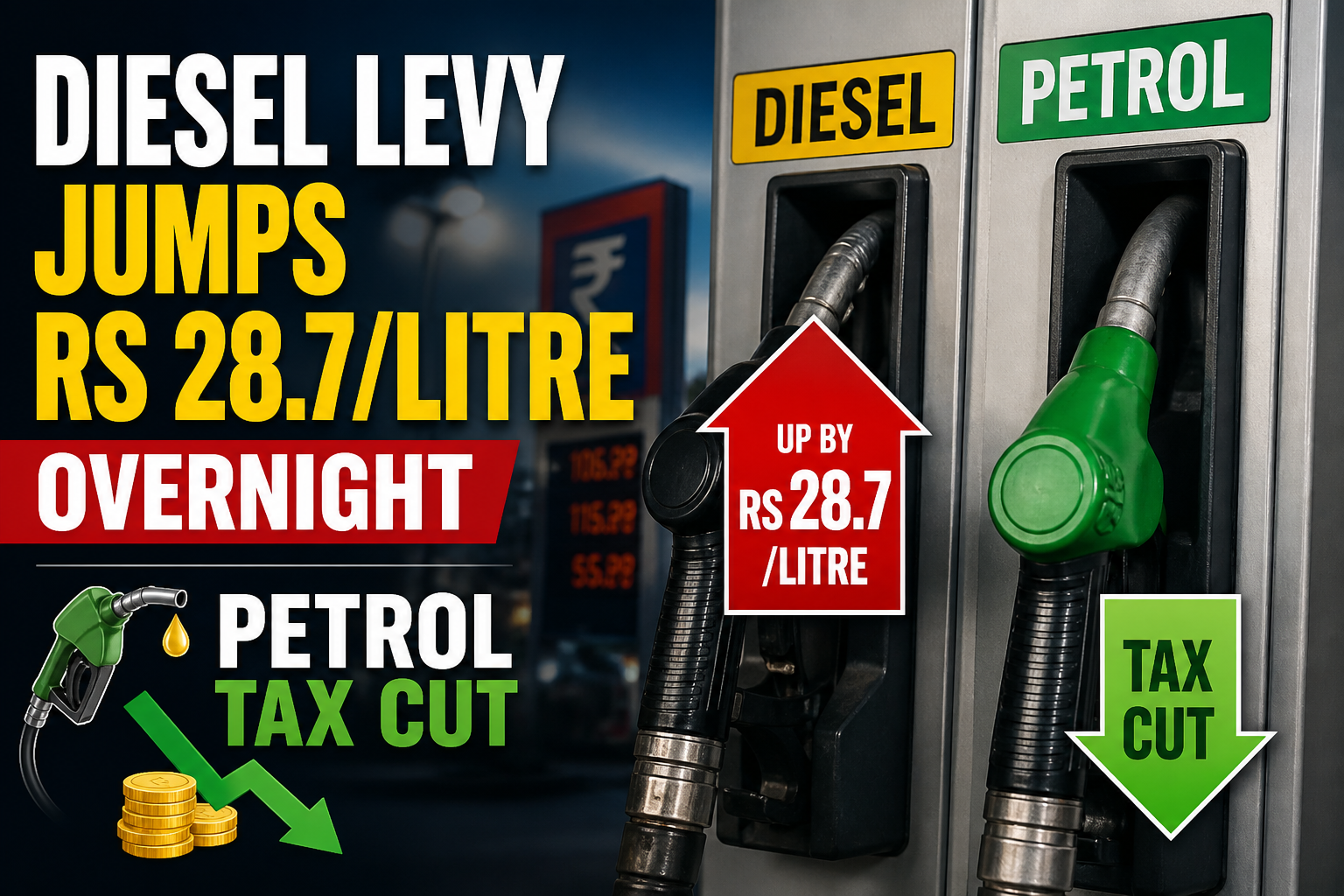
The federal government pulled off a quiet but consequential move late Thursday night — officially slapping a fresh petroleum levy of Rs 28.69 per litre on high-speed diesel (HSD), a fuel that had until now escaped any such charge entirely. Simultaneously, the government trimmed the petroleum levy on petrol by Rs 3.88 per litre. Both changes took effect on May 1, 2026, buried inside a routine late-night notification issued by the Petroleum Division — giving consumers, hauliers, and farmers no advance warning.
A Tax That Came Out of Nowhere — Literally Overnight
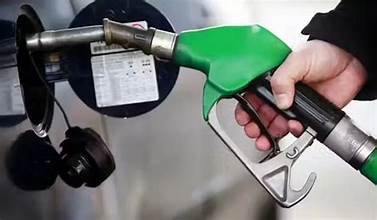
High-speed diesel is the backbone of Pakistan’s economy. It runs trucks on the highways, tractors in the fields, and generators in factories. Before May 1, 2026, the government had kept its petroleum levy on HSD at zero — a deliberate policy choice meant to protect the supply chain from additional cost pressures. That policy ended without announcement, debate, or public consultation.
The Petroleum Division notification, issued in the dead of the night, established a levy of Rs 28.69 per litre on diesel, effective immediately. For a transporter filling a 200-litre tank overnight, that is an extra Rs 5,738 in tax — per fill-up. For a farmer running irrigation on diesel-powered pumps through the Kharif season, it could translate into thousands of rupees in additional costs before the crop even reaches the market.
Petroleum levies are collected at the fuel pricing stage, making them the government’s most reliable revenue instrument. Unlike conventional taxes, they do not depend on taxpayer compliance or FBR enforcement — the money is captured the moment fuel leaves the depot.
Petrol Users Get a Trim — But Don’t Celebrate Yet
On the other side of the ledger, the government reduced the petroleum levy on petrol from Rs 107.38 to Rs 103.50 per litre — a cut of Rs 3.88. On paper, that sounds like relief. In practice, it needs context.
Just weeks ago, on April 3, petrol had reached Rs 459 per litre — a historic high — after the government set the petroleum levy at Rs 161 per litre. Within 24 hours, Prime Minister Shehbaz Sharif announced an Rs 80-per-litre cut in the levy, bringing petrol back down to Rs 378. He presented this as relief for the public. What was left unsaid is that the government itself had created the crisis by setting its own tax at Rs 161. Three weeks later, on April 24, the levy was raised again to Rs 107.38. Now it has been trimmed slightly to Rs 103.50.
In short, the “relief” on petrol is largely cosmetic — a marginal reduction from a levy that was itself elevated only weeks ago.
Who Gets Hit the Hardest?
The sudden imposition of a petroleum levy on diesel is expected to ripple across multiple sectors:
- Transporters and logistics companies — Freight costs are almost certain to rise, passing the burden onto consumers through higher prices of goods.
- Farmers — Diesel powers agricultural machinery, water pumps, and threshers. Rising input costs during the planting season directly compress farmer margins.
- Small businesses and manufacturers — Those reliant on diesel generators for backup power will see operating costs climb.
- Everyday consumers — Inflation in food prices, which is already elevated, could worsen as transportation costs feed through to retail shelves.
The IMF Factor: Revenue Targets Driving Fuel Policy
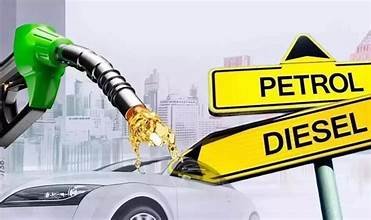
This is not a decision made in isolation. Pakistan’s ongoing financial programme with the International Monetary Fund has set specific fiscal targets that the government must meet — and fuel levies are the fastest, most enforceable way to generate revenue.
Sources familiar with the negotiations have previously indicated that the IMF had pressed Islamabad to impose around Rs 80 per litre in taxes on both petrol and diesel. While the government had been collecting a petroleum levy on petrol for some time, diesel had been kept levy-free. Thursday’s notification appears to be a step toward closing that gap and demonstrating fiscal compliance to the Fund.
Officials have confirmed that the revised levy structure applies not only to HSD and petrol but also to premium gasoline, kerosene, light diesel oil, and furnace oil. A Climate Support Levy continues to be collected on selected products as well.
According to officials, petroleum levies provide “guaranteed revenue” because they are recovered at the fuel pricing stage — far easier to collect compared to conventional taxes that depend on compliance and enforcement.
How Pakistan’s Fuel Tax Burden Now Stacks Up
To put the numbers in perspective: total taxation on petrol — including the petroleum levy, customs duty, and the climate support levy — now stands at roughly Rs 134 per litre. On diesel, with the Rs 28.69 petroleum levy now added on top of existing customs duty and climate support components, the combined tax burden has increased significantly.
For ordinary consumers, this means that nearly half the price they pay at the pump is government tax — not the cost of crude oil, refining, or distribution. Analysts have noted that Pakistan’s fuel affordability has deteriorated sharply compared to its South Asian neighbours, with a higher share of average income required to fill a tank than in India, Bangladesh, or Sri Lanka.
What About Other Fuels?
The same notification also confirmed levy rates for other petroleum products. Kerosene and light diesel oil had seen price reductions in the previous fortnightly revision due to a decline in global oil benchmarks. Those changes remain in place. The focus of Thursday’s notification was squarely on restructuring the HSD and petrol levy balance.
A Pattern of Midnight Surprises
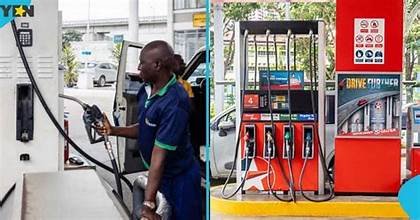
This is not the first time a major fuel pricing decision has landed in a late-night government notification. Pakistan’s petroleum pricing cycle operates on a fortnightly basis, and while routine revisions are expected, structural levy changes — like introducing an entirely new tax on diesel — typically warrant public discussion.
Critics have pointed out that the manner in which such decisions are announced — through late-night notifications rather than formal press conferences — leaves consumers, businesses, and supply chains scrambling to adjust without preparation time. Transporters cannot renegotiate freight contracts overnight. Farmers cannot quickly switch to alternative energy sources. The burden, for now, falls entirely on them.
What to Watch Next
Looking ahead, the government has also signalled that the Climate Support Levy — currently at Rs 2.5 per litre — is set to double to Rs 5 per litre from July 1, 2026, as part of Pakistan’s fiscal commitments under the IMF programme. That will add a further layer of cost to both petrol and diesel consumers.
Whether the government will hold the current petroleum levy on diesel steady through the next fortnightly review — or adjust it again based on revenue pressures and global oil prices — remains to be seen. What is clear is that the era of zero petroleum levy on diesel is now officially over.