
A dramatic slowdown in maritime traffic through the Strait of Hormuz has raised alarm across global markets, with analysts warning that no ships in Strait of Hormuz could trigger a widespread economic crisis.
The disruption, driven by escalating tensions involving Iran and Western powers, has already slashed tanker movement by nearly 90%, sending shockwaves through energy, shipping, and food supply chains.
The situation escalated following a large-scale military operation launched on February 28, prompting Iran to warn vessels to avoid the region.
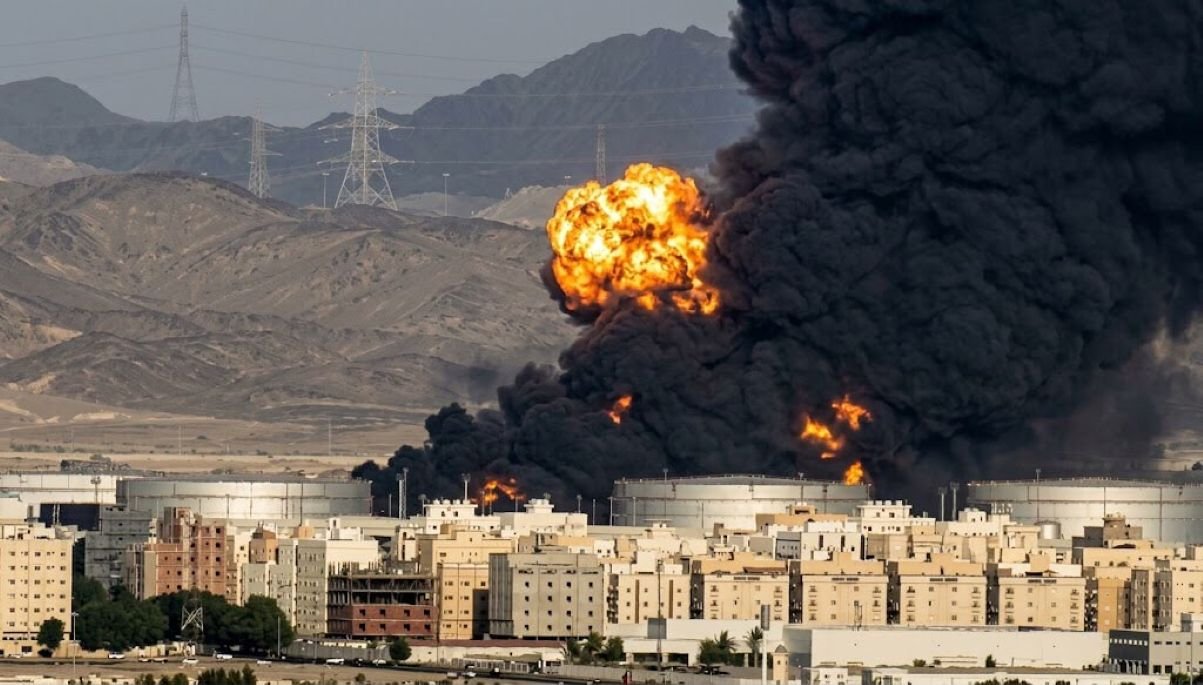
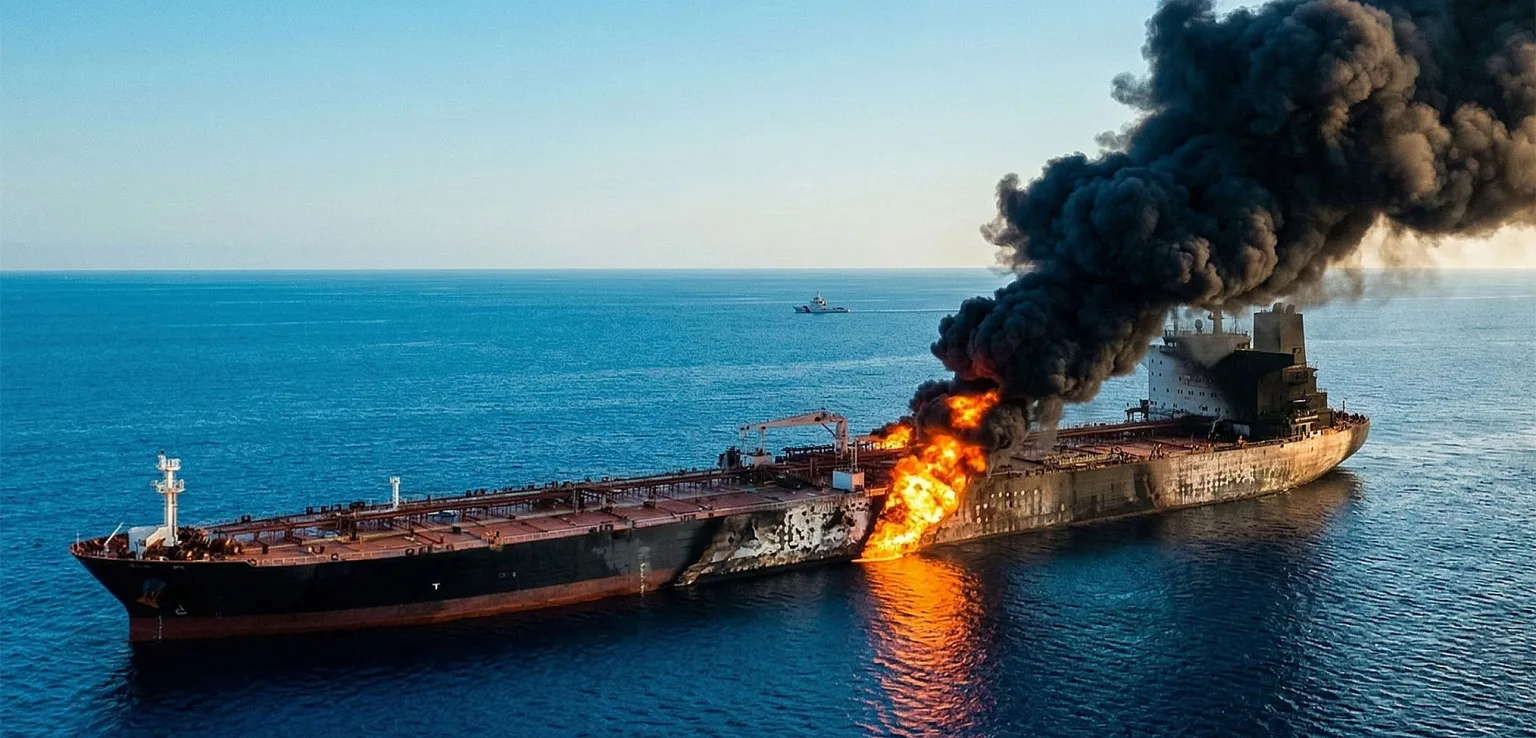
With attacks on commercial ships and rising insurance costs, most shipping companies have halted operations, leaving dozens of vessels stranded outside the Gulf. The result is an unprecedented chokehold on one of the world’s most vital trade routes.
Why the Strait of Hormuz Matters to the World
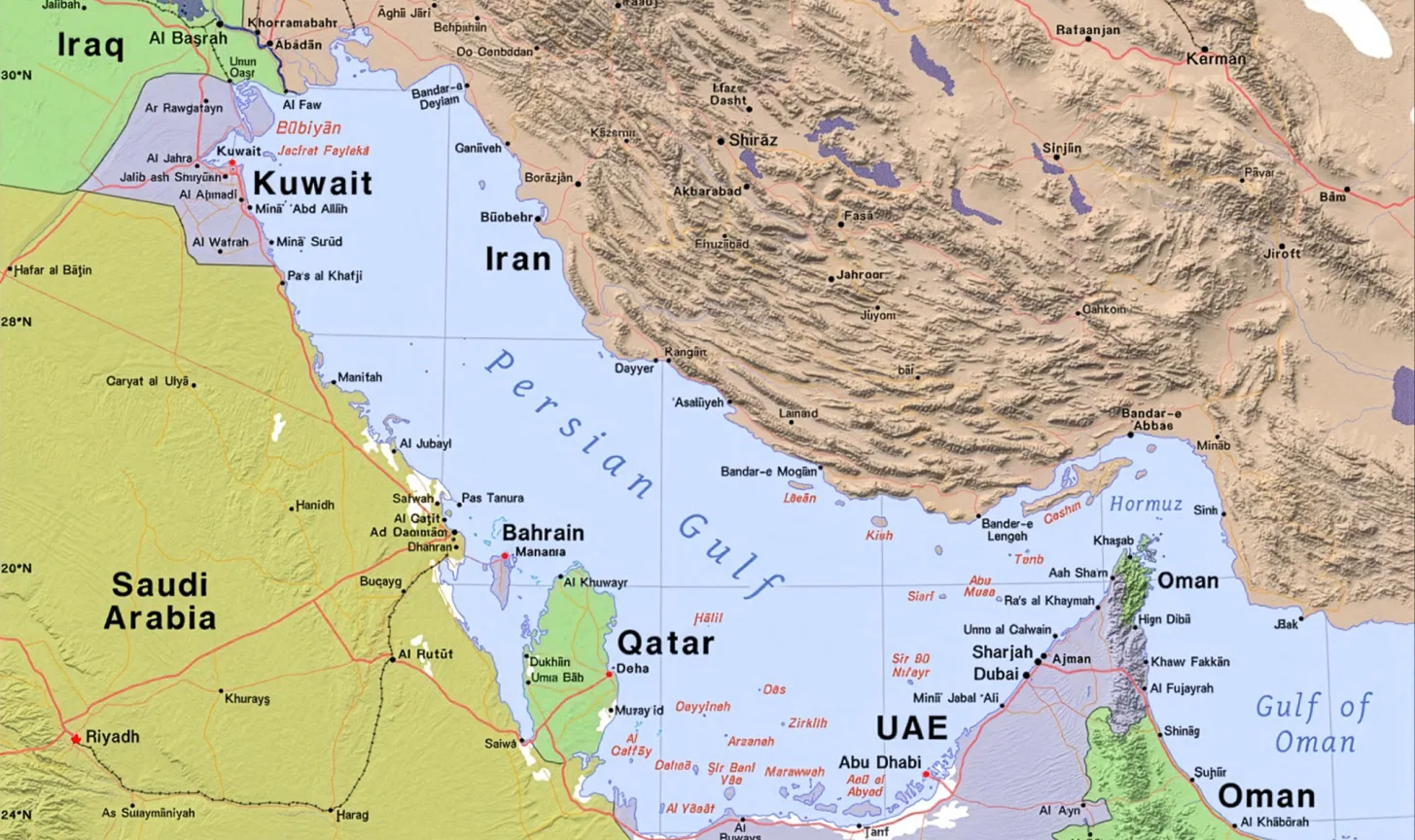
The Strait of Hormuz is widely regarded as the most critical maritime chokepoint in the global energy system. It connects the Persian Gulf to the Gulf of Oman and the wider Indian Ocean, serving as a lifeline for international trade.
At its narrowest, the strait is just 21 miles wide, with limited shipping lanes that make it highly vulnerable to disruption. Despite its size, its global importance is immense:
- Around 20 million barrels of oil pass through daily
- Nearly 20% of global LNG exports rely on this route
- About 45% of internationally traded urea (fertilizer) transits here
Countries like Saudi Arabia, Iraq, Kuwait, and the UAE depend heavily on this route to export energy supplies. With no alternative sea routes available, any disruption quickly ripples across global markets.
What Led to “No Ships in Strait of Hormuz” Situation?
The current crisis is not the result of a traditional naval blockade. Instead, Iran has employed a mix of warnings, targeted attacks, and asymmetric warfare tactics to make the waterway too dangerous for commercial shipping.
Following the February 28 escalation:
- At least 15 commercial vessels were attacked
- Tanker traffic dropped by nearly 90%
- Most ships are now anchored outside the Gulf
- Insurance providers have either increased premiums sharply or withdrawn coverage
This combination has effectively created a “financial blockade,” where ships are technically able to pass but are unwilling to take the risk.
Iran’s Strategy: Small Boats, Big Impact
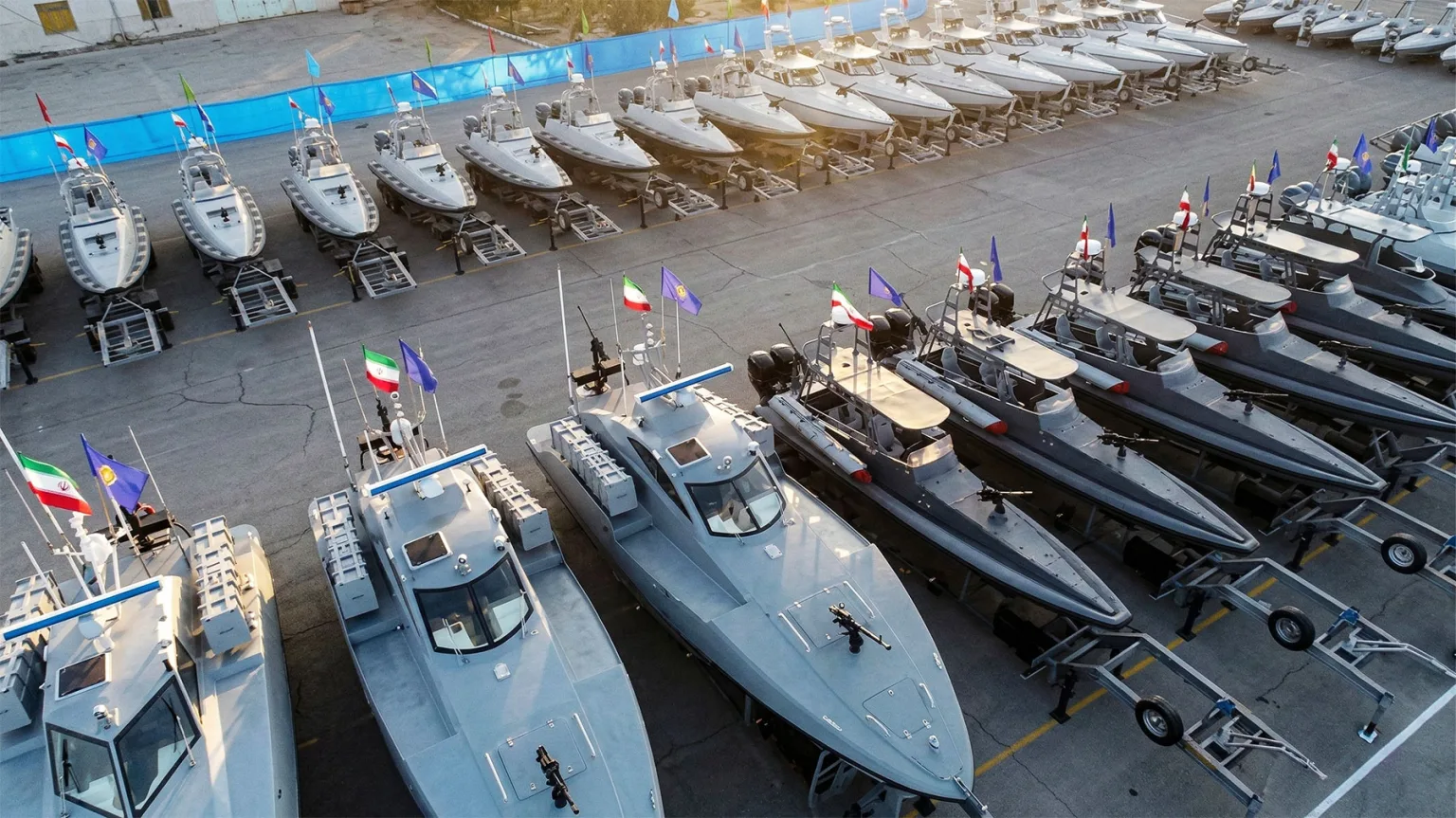
Rather than relying on large warships, Iran has adopted a strategy centered on speed, numbers, and unpredictability. The Islamic Revolutionary Guard Corps Navy (IRGCN) plays a key role in this approach.
Iran is believed to possess:
- Around 3,000 small attack craft capable of swarm tactics
- Fast boats equipped with missiles, torpedoes, and machine guns
- Semi-submersible vessels designed for stealth attacks
- Drones and unmanned surface vehicles for coordinated strikes
These forces operate in tight, confined waters, making it extremely difficult for even advanced naval fleets to respond effectively. The goal is not necessarily to sink ships but to create an environment so dangerous that commercial traffic stops altogether.
Why Air Superiority Isn’t Enough
Despite achieving partial air dominance, US and allied forces have struggled to secure the maritime domain. While missile and drone launches have reportedly decreased significantly, the threat remains persistent.
This is because:
- Mobile missile launchers are difficult to detect
- Small boats can disperse across multiple coastal locations
- Proximity to the Iranian coastline reduces reaction time
Even advanced surveillance systems cannot guarantee full protection, leaving shipping companies unwilling to risk transit.
Insurance Crisis: The Hidden Blockade
One of the biggest drivers behind the no ships in Strait of Hormuz crisis is the collapse of war-risk insurance.
Shipping in conflict zones depends heavily on insurance coverage, primarily underwritten in global financial hubs like London. However:
- Insurance premiums have surged dramatically
- Daily tanker rates jumped from $50,000 to over $400,000
- Many insurers have expanded high-risk zones or withdrawn coverage entirely
Without insurance, shipowners face massive financial exposure, making operations in the region virtually impossible.
The Threat of Naval Mines
Another looming concern is the potential use of naval mines, which could make the situation even worse.
Iran is believed to have a stockpile of around 5,000 mines, ranging from simple contact devices to advanced systems triggered by sound or magnetic signals.
If deployed:
- Even a single detected mine could halt all traffic
- Clearing operations could take weeks or months
- Insurance companies would likely refuse coverage long after
So far, no mines have been reported, possibly due to the risk of damaging Iran’s own economy. However, the threat remains a major concern.
Oil and Gas Markets Already Reacting
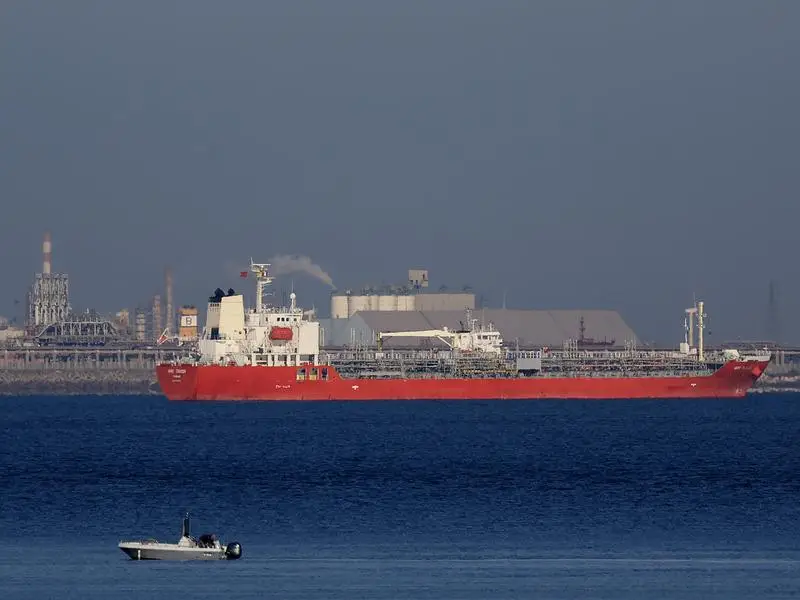
Energy markets are highly sensitive to disruptions in the Strait of Hormuz, and the current crisis is no exception.
Analysts warn that a prolonged shutdown could lead to:
- Oil prices rising by 40–45%
- Significant reduction in global supply
- Increased competition for alternative energy sources
While some countries can redirect oil via pipelines, these alternatives cover only a fraction of normal volumes.
Natural gas markets are also under pressure. Qatar, a major LNG exporter, relies heavily on the strait, meaning any disruption could remove a significant portion of global supply.
Food Supply at Risk
Beyond energy, the crisis could have serious implications for global food security.
The Gulf region is a major exporter of fertilizers, particularly urea and ammonia. These are essential for modern agriculture.
Key risks include:
- Rising fertilizer prices due to reduced supply
- Lower crop yields if farmers cut usage
- Increased food prices in the coming months
Food inflation typically lags behind fertilizer shocks, meaning the impact could be felt long after the crisis subsides.
Can Military Escorts Solve the Problem?
There have been proposals to escort commercial vessels through the strait using naval forces. However, experts warn that this solution is far from simple.
Challenges include:
- Limited number of available warships
- High risk of attacks during escort missions
- Long distances and operational complexity
At best, only a small number of convoys could be managed, making it an incomplete solution.
A Fragile Global Balance
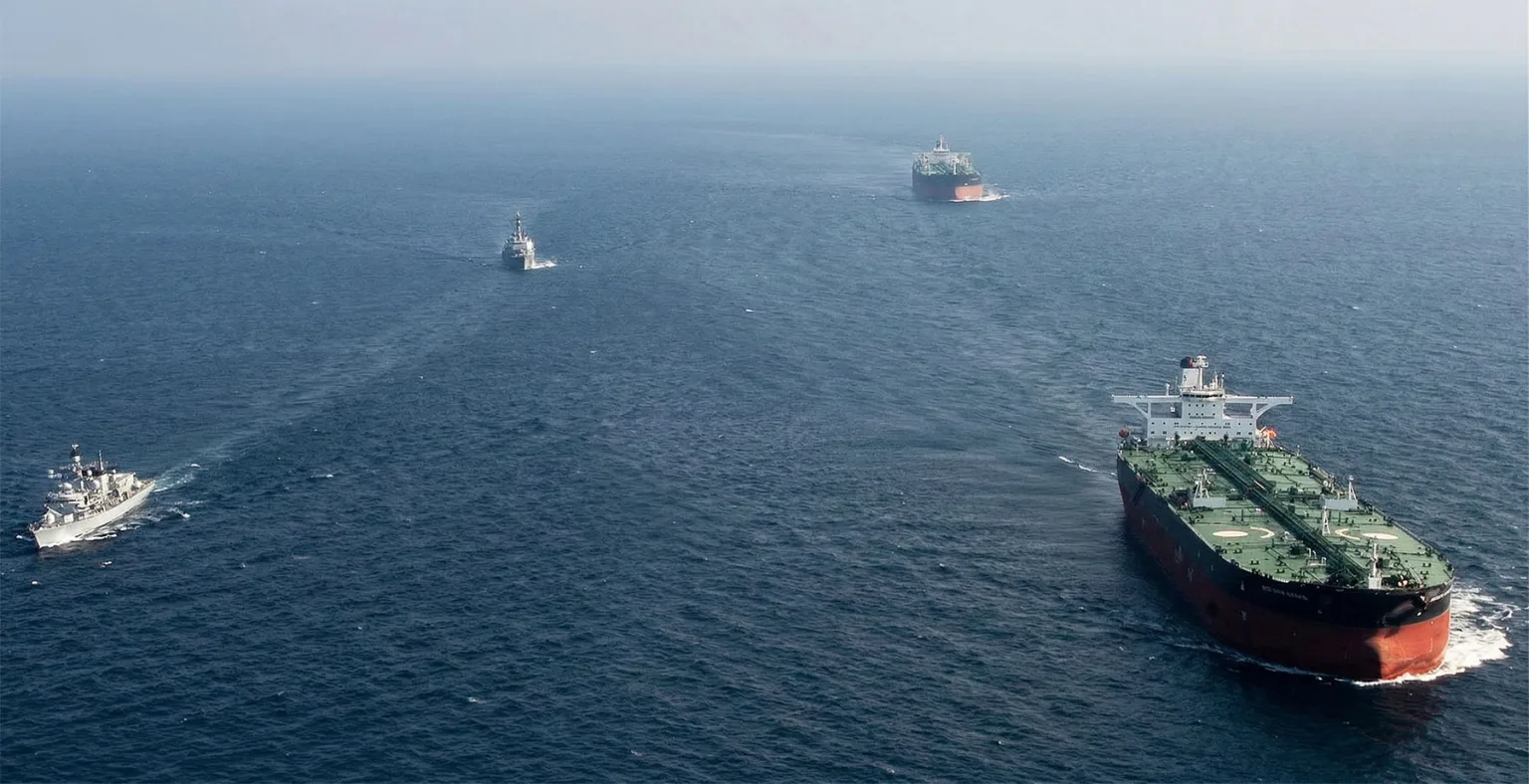
Interestingly, both sides appear to be avoiding actions that could trigger a complete economic collapse.
- Iran continues to rely on the strait for its own exports
- Western forces have avoided targeting key Iranian oil infrastructure
This suggests an unspoken “economic red line,” where both sides seek leverage without pushing the situation beyond control.
Read More: Trump US-Iran Talks Islamabad Gains Momentum
Conclusion: A Crisis with Global Consequences
The no ships in Strait of Hormuz scenario highlights how a narrow waterway can shape the global economy. Even without a full blockade, the combination of military threats, financial risks, and market reactions has effectively halted one of the world’s most critical trade routes.
If the situation continues, the world could face rising energy costs, supply shortages, and increased food prices. The coming weeks will be crucial in determining whether diplomacy can restore stability—or whether this disruption evolves into a full-scale global economic shock.