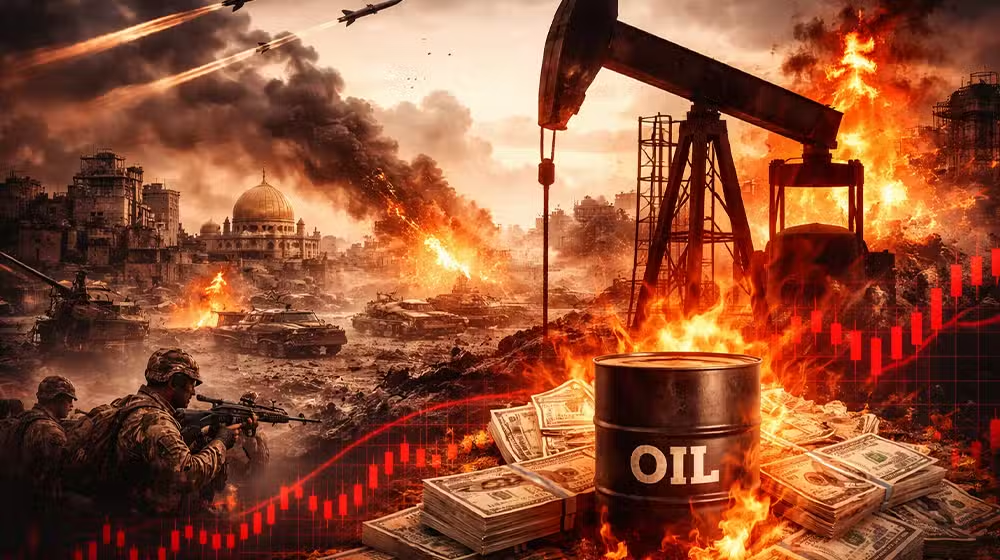

Escalating geopolitical tensions involving Donald Trump and Iran are raising serious concerns among global analysts, with warnings that Trump Iran Oil Price could surge to $200 per barrel. Experts fear that the conflict may not only disrupt global energy supplies but also trigger a wider economic and food crisis.
The situation, unfolding in the strategically critical Middle East, could have long-lasting consequences for economies, markets, and political stability worldwide.
Rising Risk of a Prolonged Conflict
A growing number of analysts believe that tensions involving Iran are unlikely to de-escalate anytime soon. A Chinese-Canadian academic, speaking in an interview with American commentator Tucker Carlson, warned that the conflict could evolve into a prolonged geopolitical struggle.
According to the professor, Iran is not expected to halt its military operations in the near future. Instead, the situation may follow a trajectory similar to the Russia-Ukraine War, turning into a drawn-out war with regional spillover effects.
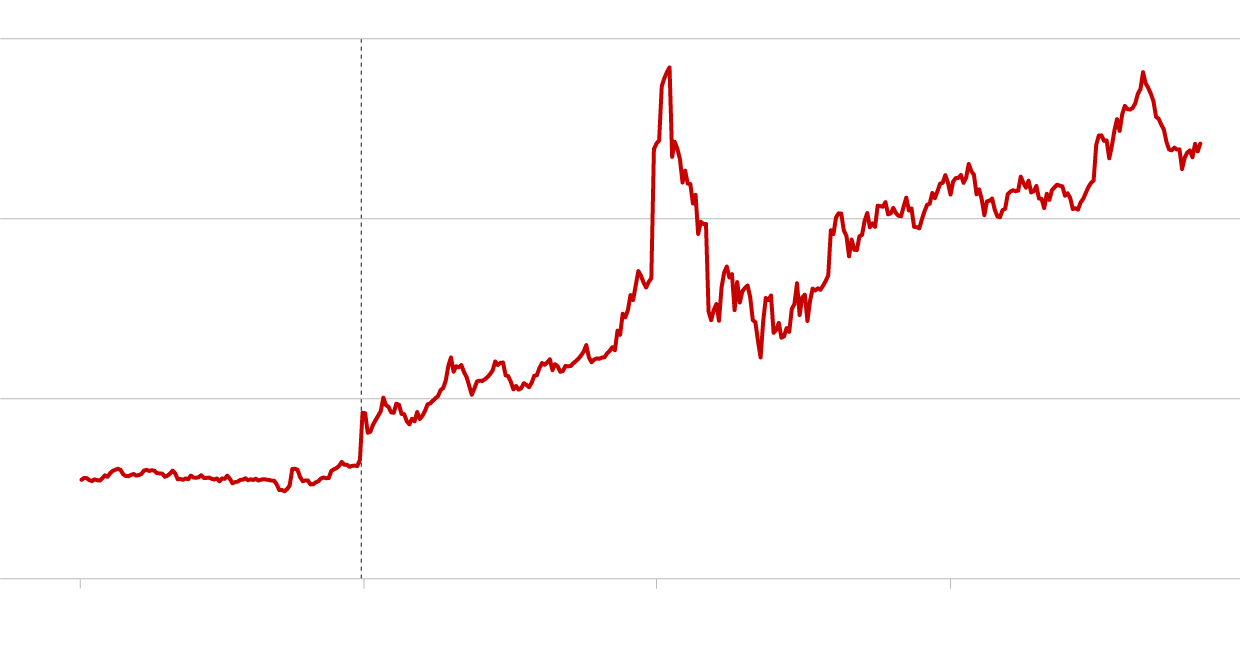
Such a prolonged confrontation would significantly increase uncertainty in global markets, especially in the energy sector, where even minor disruptions can have outsized impacts.
Why Oil Prices Could Reach $200
The Trump Iran oil price scenario is increasingly being discussed in financial and policy circles. Analysts suggest that multiple overlapping risks could push oil prices to unprecedented levels.
Key Factors Driving the Surge:
- Supply Chain Disruptions: Military activity could halt Iran’s oil exports.
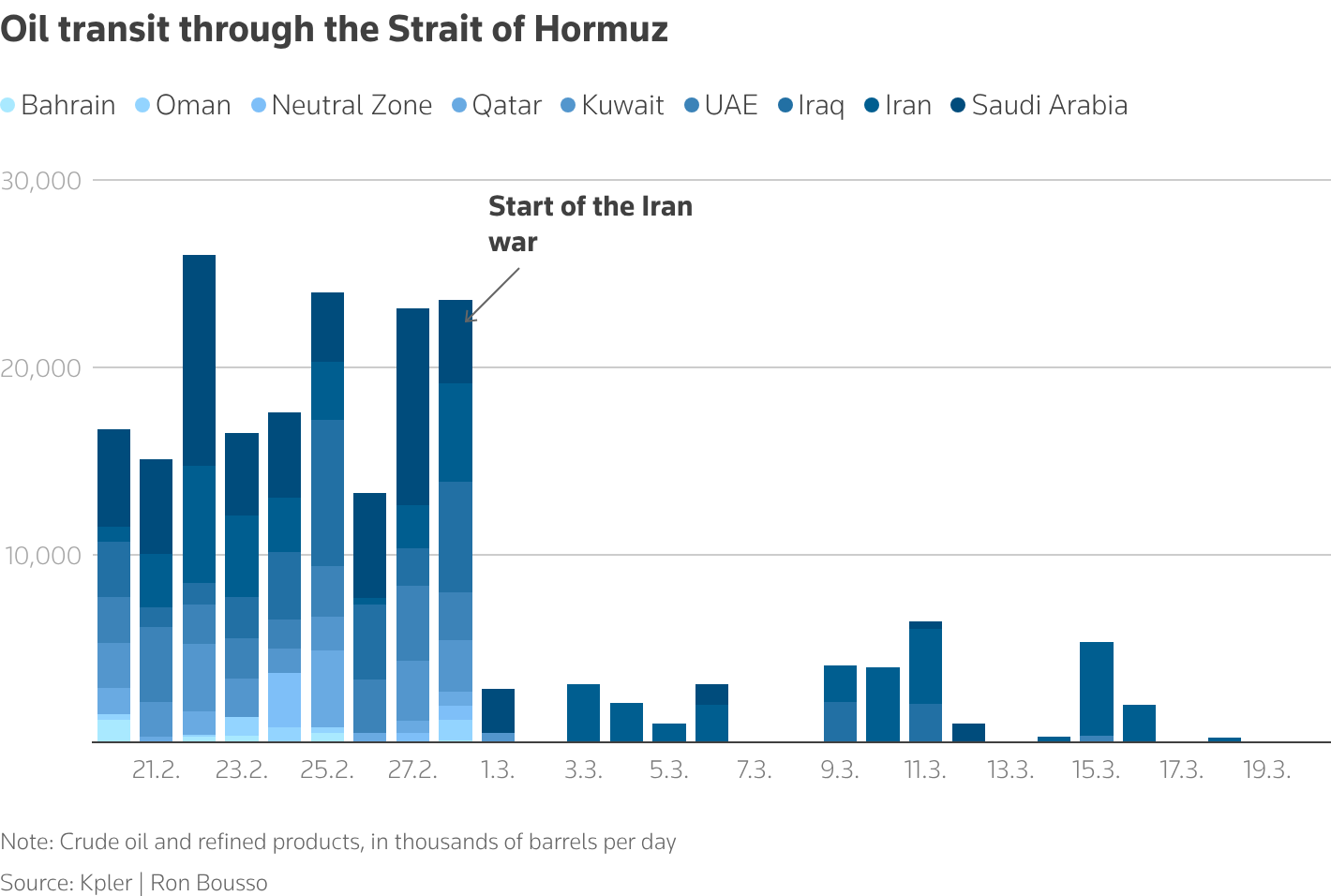
- Strait of Hormuz Threats: A blockage could restrict nearly 20% of global oil flow.
- Market Speculation: Traders reacting to uncertainty may push prices higher.
- Limited Backup Supply: Other producers may not quickly compensate for shortages.
The professor emphasized that a prolonged war would severely disrupt global energy systems, potentially pushing oil prices to $200 per barrel. Such a spike would not only affect fuel costs but also ripple across industries worldwide.
Global Economic Shockwaves
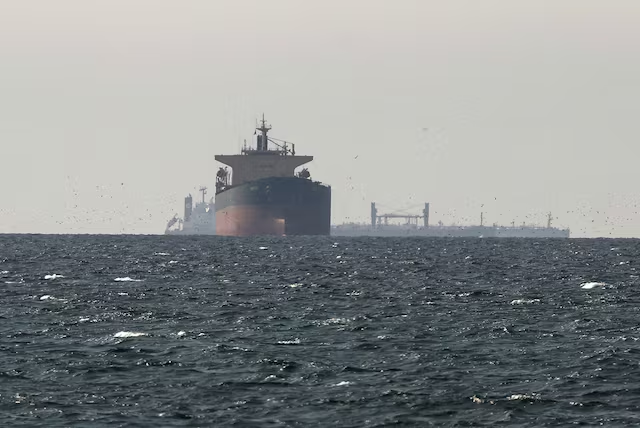
A sharp rise in oil prices would have immediate and widespread economic consequences. Energy is a fundamental input for nearly all sectors, meaning higher oil prices translate directly into higher costs across the board.
Expected Global Impact:
- Rapid increase in inflation
- Higher transportation and logistics costs
- Decline in industrial output
- Increased financial market volatility
For developing economies like Pakistan, the impact could be particularly severe. Rising fuel prices would likely lead to increased electricity tariffs, higher import bills, and additional strain on foreign exchange reserves.
Warning of a Global Food Crisis
One of the most alarming aspects of the analysis is the potential for a worldwide food crisis. The professor warned that rising energy prices could directly impact agricultural production.
How Energy Impacts Food Supply:
- Fertilizer production becomes more expensive
- Irrigation costs rise due to higher fuel prices
- Transportation of food becomes costlier
- Supply chains face disruptions
These factors combined could significantly increase food prices, particularly in vulnerable regions. Countries already facing economic challenges may struggle to maintain stable food supplies, increasing the risk of shortages.
US Involvement and Strategic Limitations
The analysis also highlights the deep involvement of the United States in the conflict. According to the professor, Washington has limited options when it comes to ending the war.
He argued that any attempt by the U.S. to de-escalate could come with significant conditions from Iran, including:
- Compensation for damages caused during the conflict
- A complete withdrawal of U.S. military presence from the Middle East
Such demands could complicate diplomatic efforts and prolong the crisis further.
Threat to the Petrodollar System
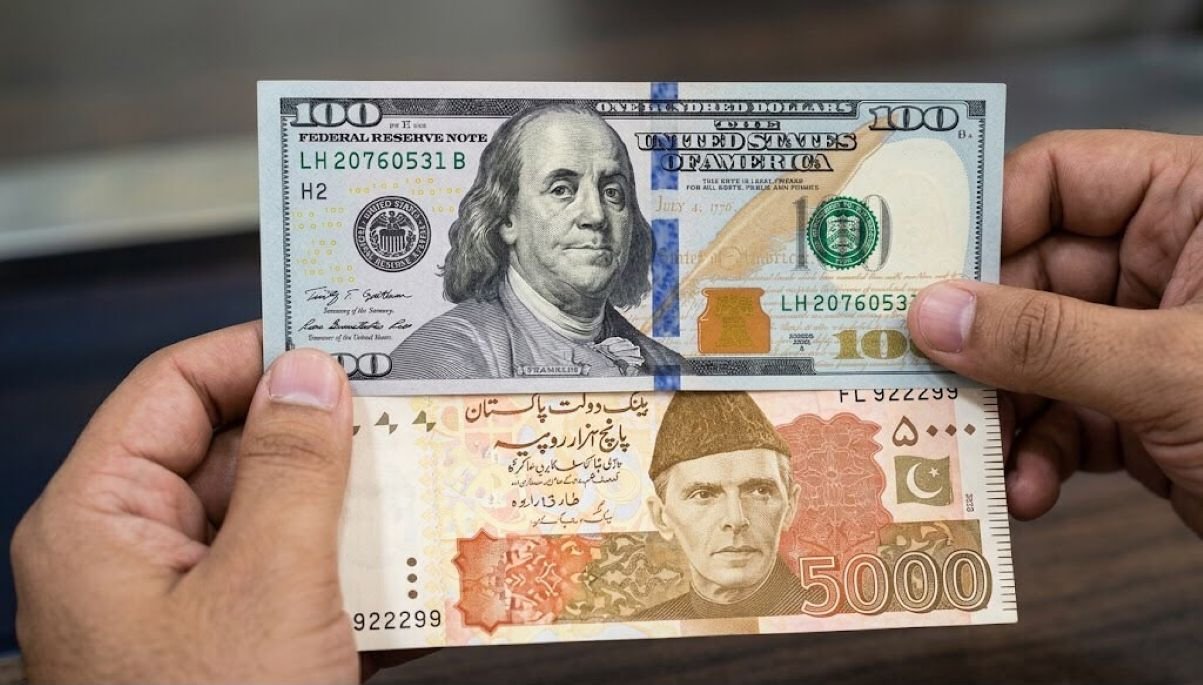
Another major concern raised is the potential weakening of the global petrodollar system. This system, which ensures that oil transactions are primarily conducted in U.S. dollars, is a key pillar of American economic strength.
The professor suggested that a prolonged conflict and possible U.S. withdrawal from the Gulf region could encourage alternative systems for oil trade. This shift could:
- Reduce global demand for the U.S. dollar
- Weaken American financial influence
- Reshape international trade dynamics
Such a development would have long-term implications not only for the United States but also for the global financial system.
Market Reactions and Investor Sentiment
Energy markets have already begun reacting to rising geopolitical risks. The Trump Iran oil price narrative is influencing investor behavior, leading to increased volatility in oil futures and commodity markets.
Traders are factoring in a “risk premium,” which reflects the potential for supply disruptions. This often results in price increases even before any actual shortage occurs.
Major oil-producing nations may attempt to stabilize the market, but their ability to offset large-scale disruptions remains uncertain.
Lessons from Past Conflicts

History shows that conflicts in oil-producing regions often lead to economic shocks. Previous crises, including Middle East wars and oil embargoes, have caused sharp increases in oil prices.
However, today’s global economy is more interconnected than ever. This means the impact of a major disruption could be even more severe, affecting everything from fuel prices to food security.
The comparison to the Russia-Ukraine War highlights the risk of a prolonged and complex geopolitical standoff.
Impact on Pakistan and Emerging Economies
Countries like Pakistan face heightened risks in such scenarios due to their reliance on imported energy.
Key Challenges for Pakistan:
- Rising petrol and diesel prices
- Increased electricity generation costs
- Pressure on foreign exchange reserves
- Higher inflation and cost of living
Government measures, such as temporary fuel price controls, may provide short-term relief but are unlikely to offset long-term economic pressures.
Can Diplomacy Still Prevent a Crisis?
Despite the rising tensions, diplomatic efforts remain a possible path to de-escalation. Global powers and international organizations are likely to push for negotiations to avoid a full-scale war.
Potential diplomatic solutions include:
- Renewed nuclear agreements
- Regional peace talks
- Third-party mediation
- Confidence-building measures
However, experts warn that the situation remains highly unpredictable, and even minor incidents could escalate quickly.
A Critical Moment for Global Stability
The growing risk that tensions involving Donald Trump Iran Oil Price $200 per barrel is a serious concern for the global economy. The Trump Iran oil price scenario underscores how geopolitical conflicts can have far-reaching economic and humanitarian consequences.
From rising inflation and economic slowdown to the threat of a global food crisis, the stakes are exceptionally high. The warning from the Chinese-Canadian academic adds weight to concerns that this conflict could become a prolonged and complex geopolitical struggle.
As the situation continues to evolve, governments, investors, and citizens around the world will be watching closely. Whether through diplomacy or escalation, the outcome of this crisis will likely shape global economic trends for years to come.