
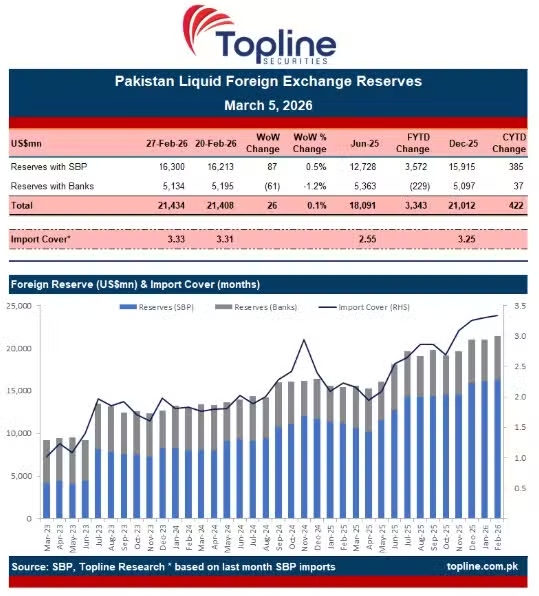
Pakistan’s central bank has reported a modest but positive increase in its foreign exchange reserves, offering a small sign of stability for the country’s fragile economy. According to the SBP Foreign Exchange Reserves, the nation’s foreign exchange reserves increased by $87 million during the latest week, pushing the total reserves held by the central bank to $16.3 billion.
The increase was recorded in the week ending recently, as inflows and improved financial management helped support Pakistan’s external account. The development comes at a time when the country is closely monitoring its foreign reserves amid global economic uncertainty and domestic fiscal challenges.
Pakistan’s Foreign Exchange Reserves Show Weekly Increase
The SBP foreign exchange reserves are considered one of the most important indicators of a country’s economic health. These reserves help the government manage imports, stabilize the currency, and meet external debt obligations.
According to the central bank’s latest weekly update, the reserves rose by $87 million, bringing the total reserves to $16.3 billion. While the increase may appear relatively small, it reflects gradual stability in Pakistan’s financial position.
Pakistan’s total liquid foreign reserves are divided between the State Bank of Pakistan and commercial banks. The majority is held by the central bank, which manages the country’s external payments and financial stability.
Economic analysts say even a modest increase can signal positive momentum if the trend continues in the coming weeks.
What Are Foreign Exchange Reserves?
Foreign exchange reserves are assets held by a country’s central bank in foreign currencies. These reserves typically include:
- US dollars
- Euro and other major global currencies
- Gold reserves
- Special Drawing Rights (SDRs) from the IMF
- Reserve positions with international financial institutions
These assets allow governments to maintain confidence in their financial system and manage exchange rate fluctuations.
For Pakistan, maintaining adequate reserves is particularly important because the country relies heavily on imports such as oil, machinery, and industrial raw materials.
Factors Behind the Increase in SBP Reserves
Experts believe several factors may have contributed to the latest rise in SBP foreign exchange reserves. While the central bank does not always disclose the detailed breakdown of weekly changes, analysts point to several possible reasons.
1. External Financial Inflows
Foreign exchange reserves often increase due to loans, grants, or deposits from international institutions or friendly countries. Pakistan frequently receives financial support from multilateral lenders such as the IMF, World Bank, and Asian Development Bank.
These inflows help strengthen the country’s external account and boost confidence among investors.
2. Improvement in Remittances
Remittances sent by overseas Pakistanis remain a crucial source of foreign exchange. Millions of Pakistanis working abroad send money back home every month, which supports the economy and contributes to reserve growth.
Recent improvements in remittance inflows may have supported the latest increase in reserves.
3. Export Earnings
Another important factor is export performance. Pakistan’s exports of textiles, rice, surgical instruments, and IT services generate foreign currency that contributes to the country’s reserves.
Even slight improvements in export receipts can help strengthen the reserve position.
Why Foreign Exchange Reserves Matter for Pakistan

The level of SBP foreign exchange reserves plays a critical role in determining Pakistan’s economic stability. Higher reserves provide the government with the ability to manage financial shocks and maintain confidence in the economy.
Here are some key reasons why reserves matter:
- Import Coverage: Reserves determine how many months of imports a country can afford.
- Currency Stability: Strong reserves help support the Pakistani rupee.
- Debt Payments: Pakistan must make regular external debt repayments in foreign currency.
- Investor Confidence: Higher reserves improve international investor trust.
When reserves fall too low, it raises concerns about the country’s ability to meet its financial obligations.
Pakistan’s Reserve Levels in Recent Months
Pakistan has faced significant challenges in maintaining stable foreign exchange reserves over the past few years. Rising import bills, global inflation, and debt repayments have placed pressure on the country’s external finances.
However, financial reforms and international support programs have helped prevent a major crisis.
Recent economic stabilization measures include:
- Fiscal reforms introduced by the government
- Support from international lenders
- Efforts to increase exports and remittances
- Controlled imports to reduce pressure on the current account
As a result, the country’s reserve position has shown gradual improvement.
Economic Experts React to the Reserve Increase
Economists believe the $87 million increase in SBP reserves is a positive development, but they caution that Pakistan still needs long-term structural reforms.
Financial analysts say the country must focus on sustainable economic growth rather than relying heavily on external borrowing.
Some economists highlight several steps that could strengthen Pakistan’s reserves further:
- Expanding export industries
- Encouraging foreign investment
- Improving tax collection
- Supporting the IT and services sector
These reforms could help Pakistan build stronger foreign exchange buffers in the future.
Impact on the Pakistani Rupee
Foreign exchange reserves have a direct relationship with the Pakistani rupee’s stability in global currency markets.
When reserves increase, it signals that the central bank has more financial strength to stabilize the currency if needed. This can help reduce volatility in the exchange rate.
Although the latest increase is modest, it could provide slight support for the rupee in the short term.
However, experts note that currency stability depends on multiple factors including inflation, trade balance, and investor sentiment.
Government’s Efforts to Strengthen the Economy
Pakistan’s government and the State Bank have been working on several policies to stabilize the economy and improve the reserve position.
These measures include:
- Tight monetary policies to control inflation
- Efforts to increase exports
- Incentives for overseas remittances
- Negotiations with international lenders
The government has also emphasized economic reforms aimed at improving fiscal discipline and reducing the trade deficit.
Such policies are expected to play a key role in strengthening the country’s financial outlook over the coming months.
Outlook for Pakistan’s Foreign Exchange Reserves
While the latest increase in SBP foreign exchange reserves is encouraging, economic analysts say Pakistan must continue working on long-term economic stability.
Future reserve growth will largely depend on:
- Export growth
- Foreign investment inflows
- Remittance trends
- Economic reforms and fiscal discipline
If these factors remain positive, Pakistan could gradually strengthen its reserve position and reduce financial vulnerabilities.
However, global economic uncertainty and energy prices remain potential challenges.
The SBP foreign exchange reserves rising by $87 million to reach $16.3 billion marks a small but meaningful improvement in Pakistan’s financial outlook. While the increase alone may not dramatically change the country’s economic situation, it reflects a gradual stabilization of the external sector.
For Pakistan, maintaining healthy reserves is crucial to managing imports, supporting the rupee, and meeting international financial obligations. Continued reforms, stronger exports, and steady remittance inflows will be essential for sustaining reserve growth in the future.
If the positive trend continues, it could strengthen investor confidence and support Pakistan’s broader economic recovery.