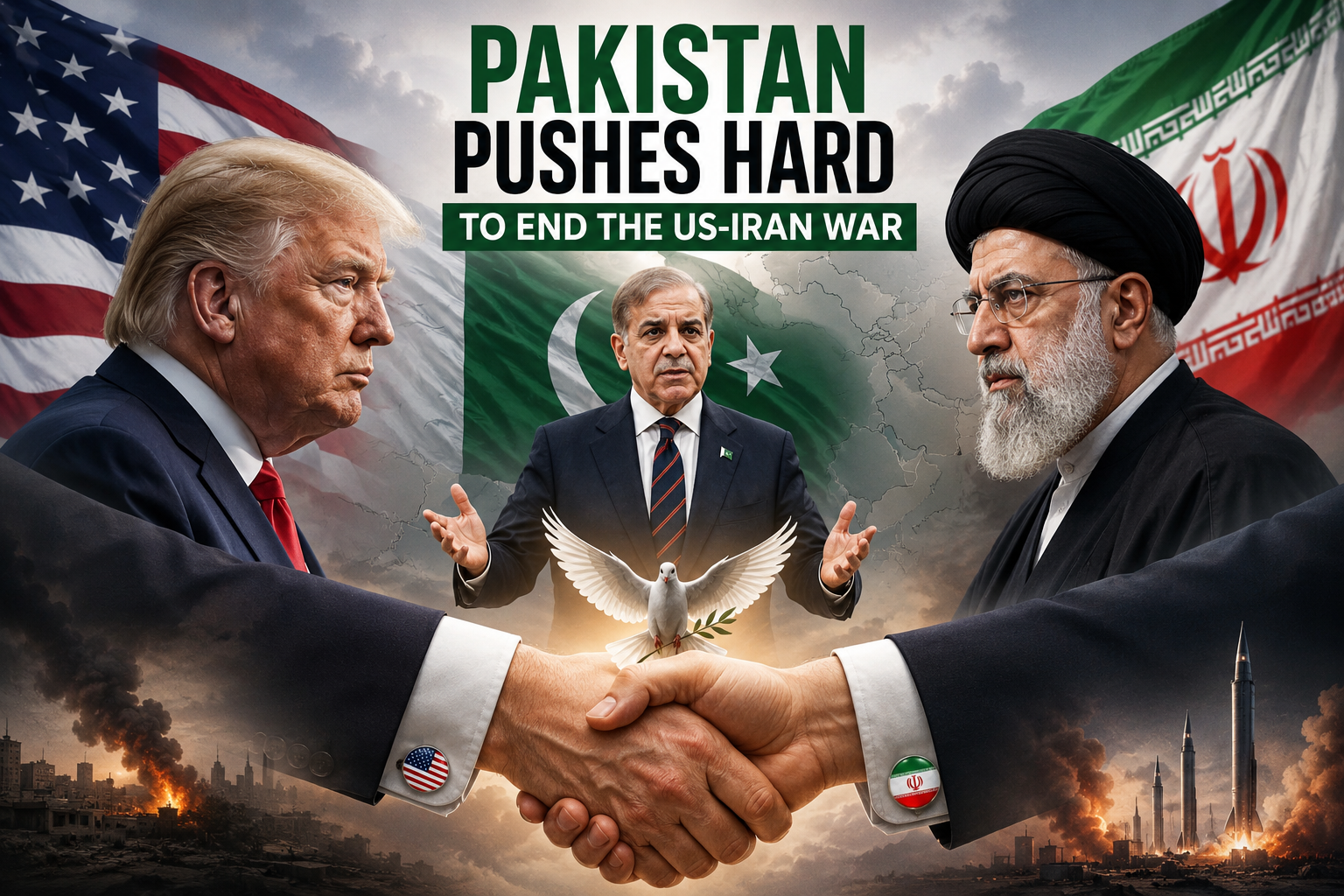

Pakistan’s Top General Flies Into Tehran — And the World Is Watching
Field Marshal Asim Munir sat across from Iran’s Foreign Minister late into a Friday night. The talks ran for hours. The fate of a fragile ceasefire may depend on what was said.
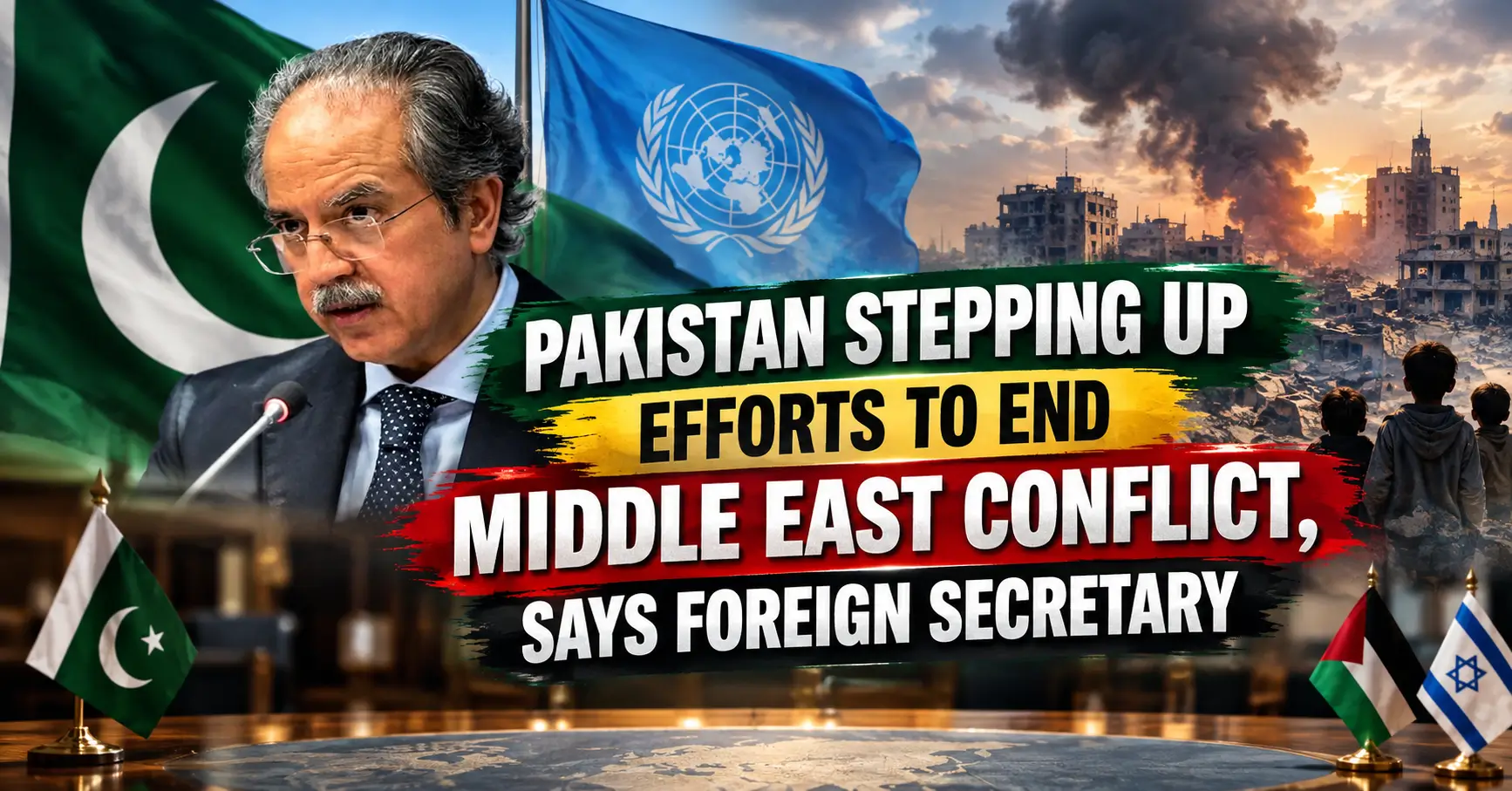
Pakistan’s Army Chief, Field Marshal Asim Munir, flew to Tehran on Friday and held late-night talks with Iranian Foreign Minister Abbas Araghchi — the latest and perhaps most consequential chapter in what has quietly become one of the most ambitious diplomatic missions of the decade.
According to Iran’s state news agency IRNA, the two sides discussed diplomatic efforts aimed at preventing further escalation and promoting peace, stability, and security in the Middle East. The meeting took place on Friday and continued late into the night.
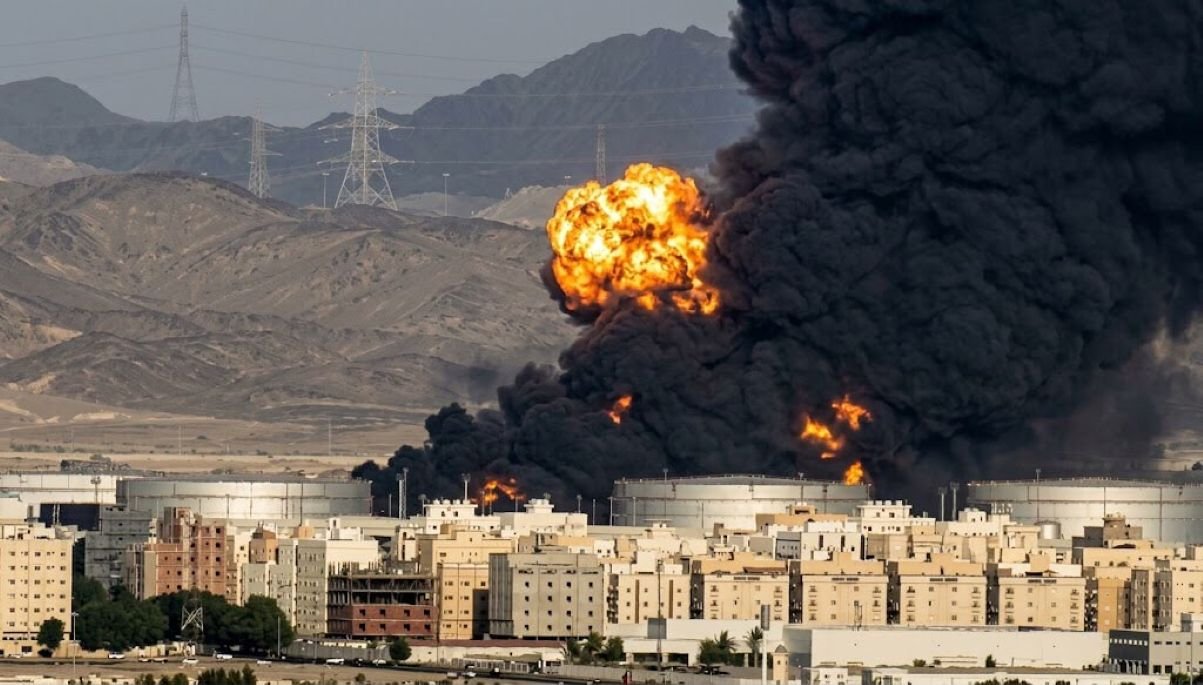
The stakes could hardly be higher. A ceasefire brokered in mid-April is holding — barely. There are still sticking points over Iran’s enriched uranium and control over the Strait of Hormuz, whose closure since the start of the war has triggered a global energy crisis. And with Washington growing impatient, Islamabad has inserted itself into the middle of one of the most dangerous standoffs in modern history.
Why Pakistan? How Islamabad Became the World’s Unlikely Peacemaker
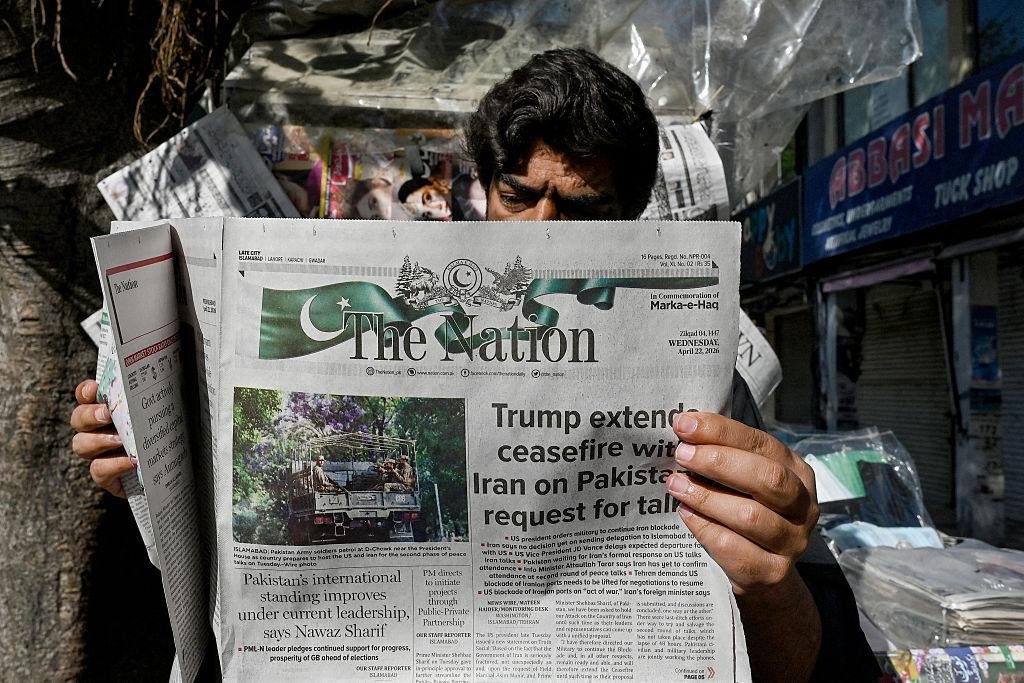
To understand why a Pakistani general is shuttling between Washington and Tehran, you have to understand the diplomatic vacuum that opened up when the war began.
The region’s traditional mediators, Qatar and Oman, became parties to the war when Iran turned on them, targeting their infrastructure in retaliation for the U.S.-Israeli strikes that began three months ago. Israeli strikes on Doha in 2025 had already knocked Qatar out of the broker role, while Oman’s mediation track collapsed when Iran targeted its ports, ships and towns.
Pakistan was left standing. And it had something the others didn’t.
Pakistan does not recognize Israel and carries no Israeli relationship Tehran would object to. That neutrality, rare in the region, gave Islamabad a pass through doors that were closed to almost everyone else.
Senior Pakistani leadership has been in active contact with both capitals. Prime Minister Shehbaz Sharif held talks with Iranian President Masoud Pezeshkian, stressing the need for de-escalation and a return to dialogue. Meanwhile, Field Marshal Munir reportedly spoke with US President Donald Trump around the time the US announced its decision to defer strikes. It worked. At least for a while.
The Ceasefire That Almost Didn’t Happen
Just under 90 minutes remained until US President Donald Trump’s deadline to destroy Iran’s “civilisation” when he took to Truth Social and announced a two-week ceasefire with Iran after almost six weeks of bombing. Trump said he agreed to the ceasefire “based on conversations with Prime Minister Shehbaz Sharif and Field Marshal Asim Munir, of Pakistan”, adding that they had “requested that I hold off the destructive force being sent tonight to Iran”.
It was a stunning moment — and it put Pakistan at the center of global diplomacy overnight.
Iranian Foreign Minister Araghchi was effusive in his praise for Pakistan: “On behalf of the Islamic Republic of Iran, I express gratitude and appreciation for his dear brothers HE Prime Minister of Pakistan Sharif and HE Field Marshal Munir for their tireless efforts to end the war in the region.”
That goodwill has kept the Pakistan mediation channel open — and active — ever since.
What Happened in Tehran This Week
The visit was not a one-man show. It was a coordinated diplomatic push involving multiple senior Pakistani officials.
Pakistan’s Interior Minister Mohsin Naqvi arrived in Tehran on Wednesday on his second visit in less than a week as Pakistan stepped up efforts to help bridge differences between Washington and Tehran and prevent further conflict in the region. Araghchi and Naqvi discussed the indirect Iran-US negotiations during a meeting held in Tehran on Thursday morning.
Then came the Field Marshal himself.
Munir was received in Tehran by Iran’s Interior Minister Eskandar Momeni. Pakistan’s Interior Minister Mohsin Naqvi — believed to be close to Munir — was already in Tehran and engaging in talks with top Iranian officials when the field marshal arrived.
According to a Pakistani security source, Munir’s visit was part of an effort to reach a deal under which the US and Iran would agree to end the war and launch negotiations for a broader agreement. Munir has been the lead mediator between the US and Iran since the war began.
This is not just diplomatic protocol. This is Field Marshal Munir’s second trip to Iran in a matter of weeks — a frequency that signals genuine urgency on both sides.
What the US Is Saying — And What It Isn’t
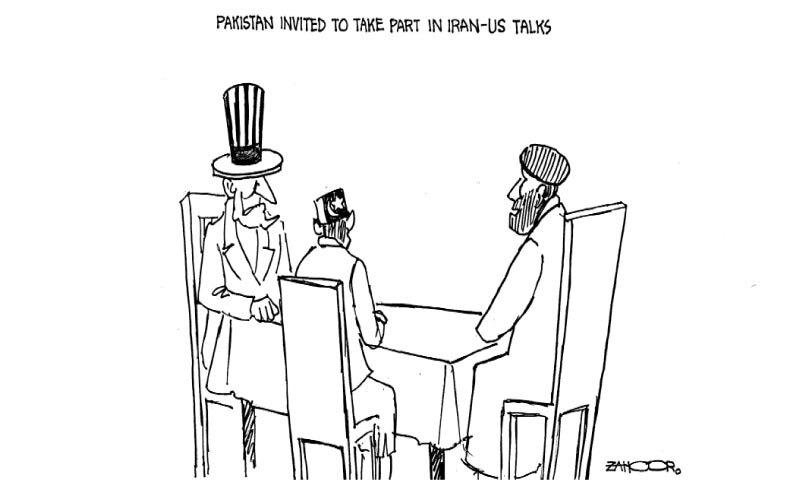
Back in Washington and at a NATO gathering in Sweden, American officials were notably measured.
US Secretary of State Marco Rubio said there was “slight progress” during talks with Iran amid uncertainty about whether a deal will be reached or war will resume. He spoke days after US President Donald Trump said he was holding off on a military strike against the Islamic Republic because “serious negotiations” were underway.
Rubio was careful not to oversell it. He said he did not want to exaggerate the progress, noting there had been “a little bit of movement and that’s good,” adding that conversations were ongoing.
READ MORE! Yemen Warns of Bab al-Mandab Closure: Breaking Crisis 2026
At the NATO meeting in Sweden, Rubio said he discussed reopening the Strait of Hormuz with other foreign ministers. He said there needs to be a “plan B” if Washington and Tehran fail to reach a deal. “Someone’s going to have to do something about it, OK?” Rubio said, insisting that Iran was not going to “voluntarily reopen” the strait.
That “plan B” rhetoric is a warning sign. It suggests the window for a negotiated outcome may not stay open indefinitely.
Iran’s Position: Willing to Talk, But Not on Every Term
Tehran, meanwhile, has been sending mixed signals — which is perhaps the most honest reflection of an internal debate happening at the highest levels of the Iranian government.
Iranian Foreign Minister Abbas Araghchi said his ministry was ready for either talks or a return to fighting: “Wherever it is necessary to fight, we will fight, and wherever it is necessary to negotiate, we will negotiate. If necessary and if the interests of the system require it, we will be present in the field of diplomacy, dialogue and negotiation with the same determination and strength that the armed forces demonstrate in defending the country.”
Iran’s Revolutionary Guards have been equally blunt. The IRGC warned: “If aggression against Iran is repeated, the promised regional war will extend beyond the region this time.”
Iran’s foreign ministry spokesman, Esmaeil Baghaei, was quoted as saying diplomacy takes time and suggesting that the sides had not reached a point where an agreement was close. He said nuclear issues were not being discussed and that a conclusion would not be reached if the US sought to delve into details about highly enriched uranium in Iran.
The nuclear question remains the deepest fault line. Trump has said he wants to remove highly enriched uranium from the country and prevent it from developing nuclear weapons, while Iran says its nuclear program is for peaceful purposes.
The Bigger Picture: What’s Driving Pakistan’s Mediation Push
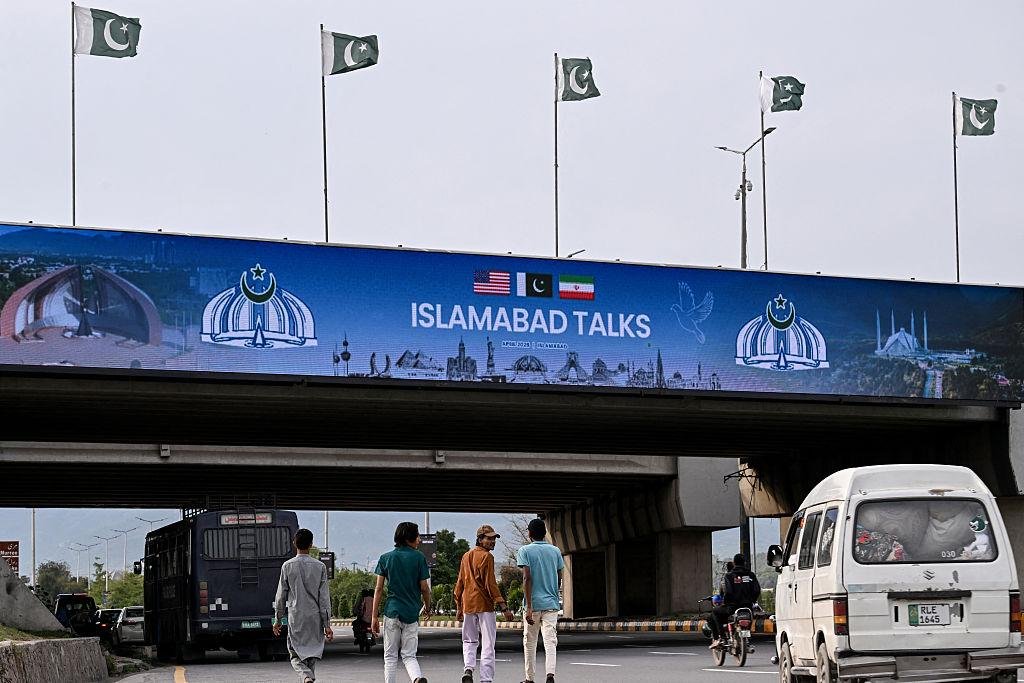
Pakistan’s role is not purely altruistic — and analysts say understanding the country’s interests helps explain why it is pushing so hard.
Pakistan has international support for its mediation role, starting with China, which gets most of its oil and gas from ships that use the now-blockaded Strait of Hormuz. On March 31, Pakistan and China signed a joint five-point peace plan to end the Iran War, and Field Marshal Munir was the senior interlocutor in a March 29 high-level meeting in Islamabad with the foreign ministers of Saudi Arabia, Turkey and Egypt on de-escalating the war.
Economic disruption is also a direct concern for Islamabad. Pakistan has emerged as a mediator in the ongoing conflict, which triggered severe energy shortages and impacted economies across the world.
And there is the personal dimension. Trump’s 2025 outreach to Field Marshal Munir broke the pattern of estranged US-Pakistan ties. As one analyst noted: “There is some personal chemistry between these two men.” That chemistry has become a diplomatic asset of considerable value.
What Comes Next
Qatar also sent a negotiating team, working in coordination with the United States, to the Iranian capital to try to resolve the sides’ main differences six weeks into the fragile ceasefire. While some gaps have been narrowed, the core disputes remain.
The coming days will be critical. Trump has made clear that his patience is not unlimited, and the ceasefire framework he agreed to in April was never meant to be permanent.
For Field Marshal Munir, the pressure is immense — but so is the opportunity. If Pakistan can shepherd a lasting peace deal between Washington and Tehran, it would be the most significant diplomatic achievement by any South Asian nation in generations.
The talks went late into the night in Tehran. The world is waiting to hear what comes next.
Key Facts at a Glance
- Who: Field Marshal Asim Munir (Pakistan Army Chief) and Iranian FM Abbas Araghchi
- What: High-level mediation talks in Tehran aimed at ending the US-Iran war
- When: Friday, May 22 — talks ran late into the night
- Where: Tehran, Iran
- Why: The April ceasefire is fragile; both sides need a bridge they trust
- US position: Secretary Rubio cited “slight progress” but warned of a “plan B”
- Key obstacle: Iran’s enriched uranium and control of the Strait of Hormuz