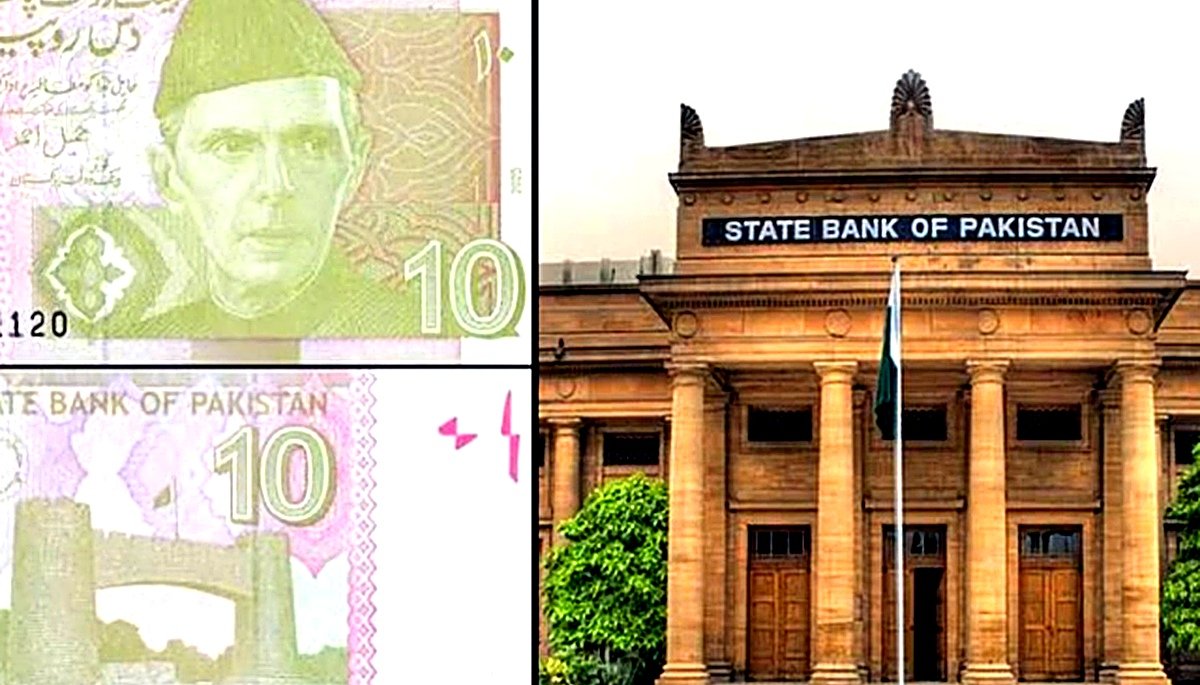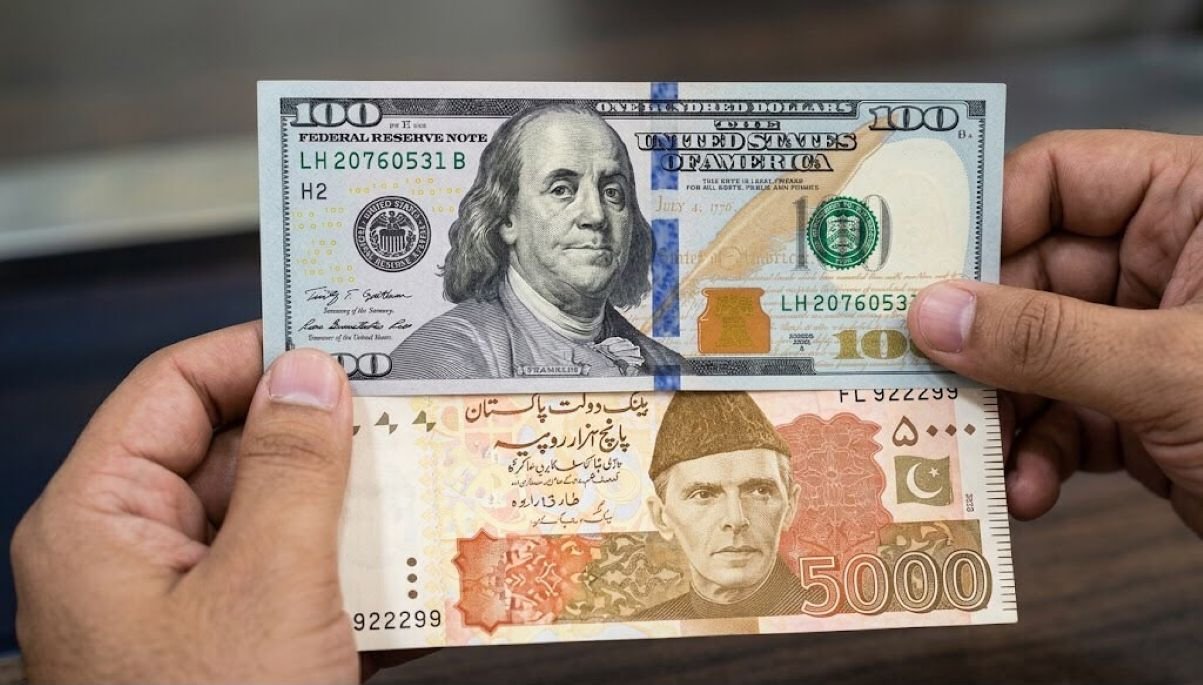
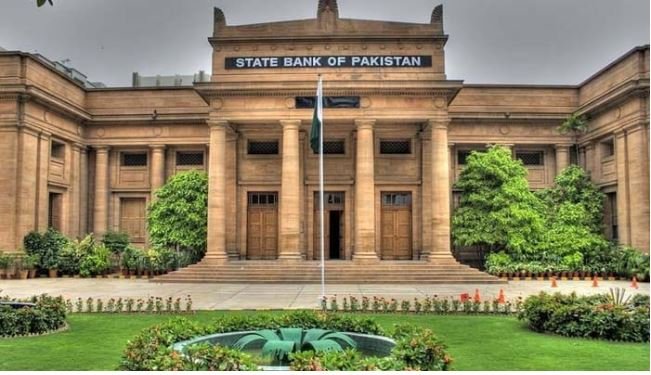

Pakistan’s monetary policy remains a crucial tool in steering the country’s economy through inflation, currency pressure, and slowing growth. Managed by the State Bank of Pakistan (SBP), the policy determines interest rates and liquidity in the banking system.
In recent months, policymakers have been carefully balancing inflation control with the need to support economic activity. As inflation remains a challenge and global economic conditions continue to shift, Pakistan’s monetary policy decisions are playing a vital role in shaping the country’s financial stability and economic outlook.
Understanding Pakistan Monetary Policy
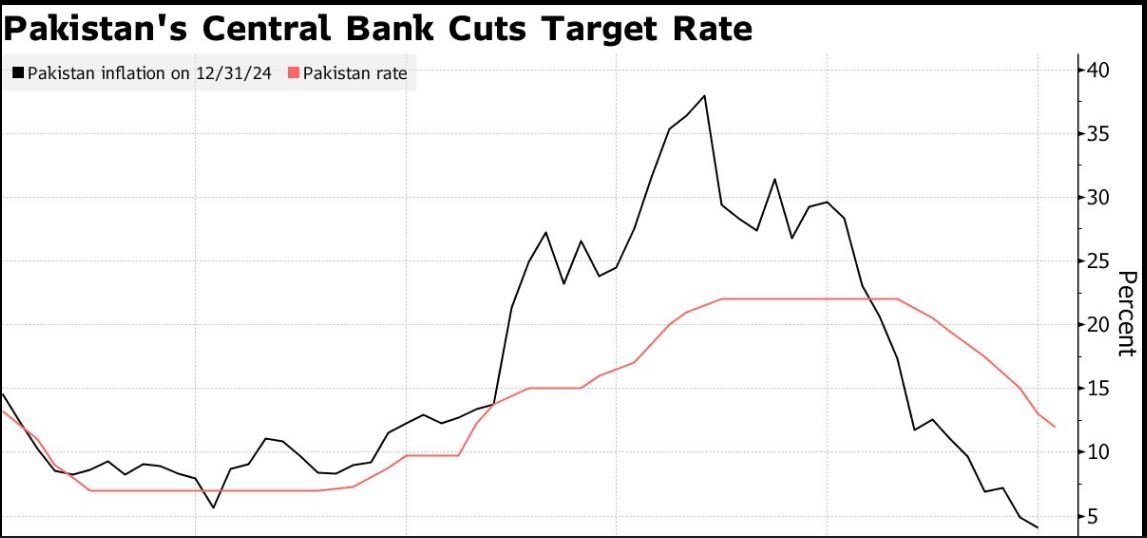
Pakistan monetary policy refers to the strategies and actions taken by the central bank to regulate money supply, interest rates, and credit availability in the economy. These decisions directly influence inflation, investment, and economic growth.
The central authority responsible for these policies is the State Bank of Pakistan. Through its Monetary Policy Committee (MPC), the bank regularly reviews economic indicators and determines the benchmark interest rate, often referred to as the policy rate.
The goal is simple but challenging:
- Maintain price stability
- Support sustainable economic growth
- Ensure financial system stability
However, achieving all three simultaneously is not always easy, particularly in developing economies like Pakistan where inflation pressures, fiscal deficits, and external shocks often intersect.
How Monetary Policy Works in Pakistan
Pakistan’s monetary policy framework primarily operates through the policy interest rate, which influences borrowing and lending across the economy.
When inflation rises sharply, the central bank usually increases interest rates. Higher rates make borrowing more expensive, slowing spending and reducing inflationary pressures.
Conversely, when economic growth slows, policymakers may lower interest rates to encourage borrowing and investment.
Key tools used in Pakistan monetary policy include:
- Policy Rate Adjustments: Changes to the benchmark interest rate
- Open Market Operations (OMO): Buying or selling government securities to manage liquidity
- Reserve Requirements: Regulating the amount banks must keep as reserves
- Forward Guidance: Communicating policy direction to influence market expectations
Each tool helps the central bank influence economic activity and maintain financial stability.
Inflation: The Core Challenge
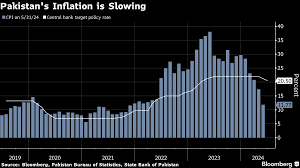
Inflation has remained one of the most pressing challenges for Pakistan’s economy. Rising prices of food, fuel, and utilities have significantly impacted households across the country.
Over the past few years, inflation spikes have forced the State Bank of Pakistan to adopt a relatively tight monetary stance.
High inflation can erode purchasing power, weaken currency stability, and reduce consumer confidence. As a result, policymakers closely monitor inflation trends when determining interest rate decisions.
Major factors driving inflation in Pakistan include:
- Currency depreciation
- Rising global commodity prices
- Energy price adjustments
- Supply chain disruptions
- Fiscal deficits
These factors often create complex policy challenges, as raising interest rates alone cannot fully address structural inflation issues.
Interest Rates and Economic Growth
Interest rate decisions are one of the most visible aspects of Pakistan monetary policy. When the policy rate rises, borrowing becomes more expensive for businesses and consumers.
This can slow down economic activity but may help reduce inflation.
For businesses, high interest rates mean higher financing costs. Companies may delay expansion plans, reduce investment, or cut hiring.
For consumers, higher borrowing costs affect:
- Home loans
- Car financing
- Personal loans
- Business credit
While tightening monetary policy can stabilize inflation, it also risks slowing economic growth if maintained for extended periods.
The Role of the Monetary Policy Committee
The Monetary Policy Committee (MPC) at the State Bank of Pakistan meets regularly to review economic conditions and set the policy rate.
The committee evaluates several indicators before making decisions, including:
- Inflation trends
- Exchange rate stability
- Fiscal policy developments
- International commodity prices
- Global financial conditions
The MPC aims to make data-driven decisions while ensuring transparency through regular policy statements.
These announcements are closely watched by investors, businesses, and financial institutions.
Global Influences on Pakistan Monetary Policy
Pakistan’s monetary policy cannot operate in isolation. Global economic trends significantly influence domestic policy decisions.
For example, when the U.S. Federal Reserve raises interest rates, global capital flows often shift toward advanced economies.
This can place pressure on emerging market currencies, including the Pakistani rupee.
Similarly, decisions by institutions such as the International Monetary Fund often affect policy direction, particularly when Pakistan is engaged in financial assistance programs.
Under such programs, monetary tightening is sometimes recommended to control inflation and stabilize foreign reserves.
Exchange Rate and Monetary Stability
Currency stability is another major concern for policymakers.
Fluctuations in the Pakistani rupee can directly affect import costs and inflation levels. When the currency weakens, imported goods such as fuel, machinery, and food become more expensive.
Pakistan monetary policy indirectly influences the exchange rate through interest rate adjustments.
Higher interest rates can sometimes attract foreign investment into government securities, helping support the currency.
However, exchange rate stability also depends on broader economic factors such as exports, remittances, and foreign reserves.
Impact on Businesses and Investors
Monetary policy decisions significantly affect Pakistan’s business environment.
Investors carefully watch policy rate changes to assess potential opportunities or risks.
For instance:
- Higher rates may slow stock market activity
- Lower rates can boost corporate borrowing and investment
- Stable policy can improve investor confidence
Financial markets often react quickly to policy announcements by the State Bank of Pakistan.
Businesses in sectors such as construction, manufacturing, and real estate are particularly sensitive to interest rate movements.
Pakistan’s Monetary Policy in the Regional Context
Compared with other emerging economies, Pakistan faces unique structural challenges.
Many countries in South Asia and developing markets have also tightened monetary policy in response to global inflation.
However, Pakistan’s situation is compounded by:
- Persistent fiscal deficits
- External debt obligations
- Energy sector challenges
- Currency volatility
These factors make policy decisions more complex and require careful coordination between monetary and fiscal authorities.
Future Outlook for Pakistan Monetary Policy
Looking ahead, economists believe the direction of Pakistan monetary policy will largely depend on inflation trends and external economic conditions.
If inflation begins to decline sustainably, policymakers may consider easing interest rates to support growth. However, if price pressures persist, the central bank may maintain a cautious stance.
Key indicators that will influence future policy decisions include:
- Inflation trajectory
- Foreign exchange reserves
- Global oil prices
- Exchange rate stability
- Fiscal policy discipline
The challenge for policymakers will be balancing economic stability with growth recovery.
Why Monetary Policy Matters for Citizens
While monetary policy discussions often seem technical, their impact is felt in everyday life. Interest rates influence everything from the cost of loans to the price of goods and services.
For ordinary citizens, Pakistan monetary policy affects:
- Loan affordability
- Job creation
- Inflation and living costs
- Business opportunities
In essence, central bank decisions shape the broader economic environment that households and businesses operate within.
Final Thought!
Pakistan monetary policy remains a critical pillar of the country’s economic management strategy. With inflation pressures, currency fluctuations, and global economic uncertainty shaping the landscape, the role of the State Bank of Pakistan has become more important than ever.
Through careful interest rate decisions and financial system oversight, policymakers aim to maintain price stability while supporting sustainable growth.
Although challenges remain, transparent and data-driven policy decisions can help strengthen investor confidence and stabilize the economy.
As Pakistan navigates economic reforms and global market shifts, monetary policy will continue to serve as a key tool in shaping the nation’s financial future.