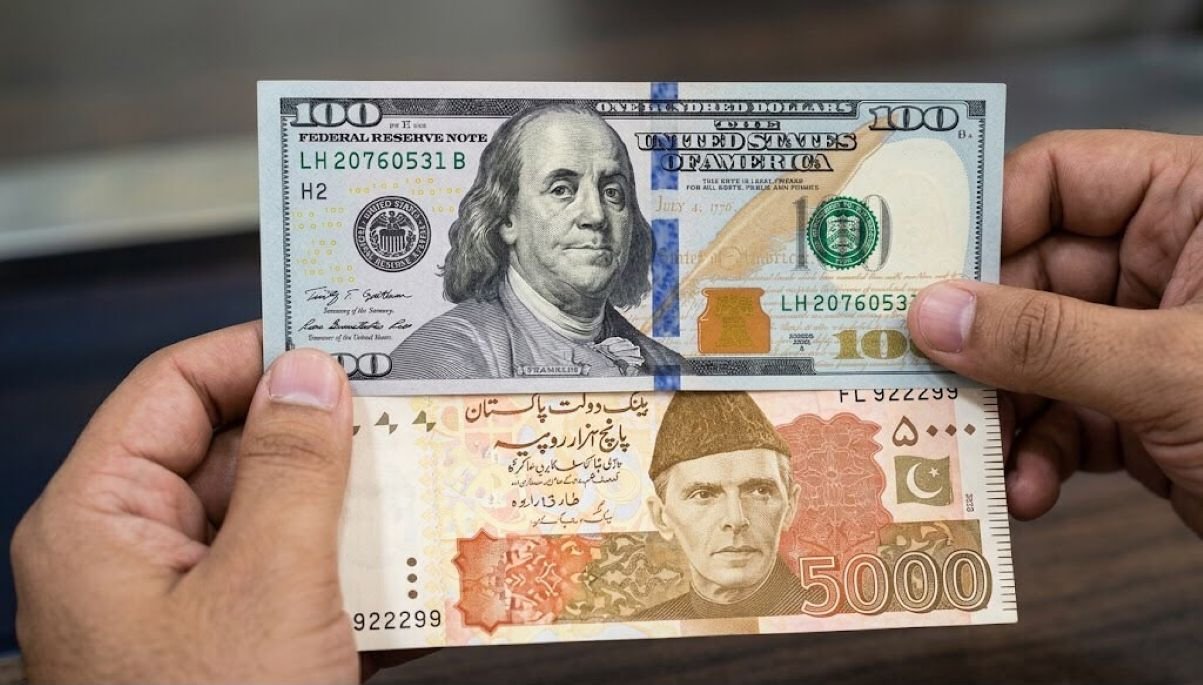


In a dramatic turn of events, global precious metals markets lost an estimated $1.1 trillion in value within just 12 hours as investors rushed to exit positions amid intensifying fears of an artificial intelligence-driven economic overhaul. The sharp sell-off unfolded across major trading hubs including New York, London, and Shanghai, with Gold and Silver Crash prices plunging to multi-month lows.
Market analysts say the drop was triggered by mounting speculation that rapid AI adoption could disrupt traditional industries and reshape global capital flows, leaving safe-haven assets under unexpected pressure.
The sudden collapse has rattled investors worldwide, raising fresh questions about the stability of commodities markets in an era increasingly dominated by automation and advanced algorithms.
AI Takeover Fears Shake Global Markets

The immediate catalyst for the Gold and Silver Crash appears to be renewed concerns that artificial intelligence systems are accelerating faster than previously anticipated.
Major tech firms recently unveiled next-generation AI platforms capable of automating complex financial analysis, trading, logistics, and even industrial production. While the announcements were celebrated in tech circles, they sent shockwaves through commodity markets.
Investors began speculating that AI-driven productivity gains could:
- Reduce long-term inflation risks
- Lower demand for traditional inflation hedges
- Increase algorithmic trading dominance
- Shift capital toward technology equities
As a result, capital rapidly rotated out of precious metals and into AI-focused stocks and digital assets.
Why Gold and Silver Were Hit So Hard

Traditionally, gold and silver are viewed as safe-haven assets during times of uncertainty. However, this crisis presented a different dynamic.
1. Algorithmic Trading Amplified the Sell-Off
High-frequency trading systems reacted instantly to price breakdowns. Once gold slipped below key technical support levels, automated sell orders cascaded through the market.
Within hours, billions of dollars in leveraged positions were liquidated.
2. Changing Inflation Expectations
AI-driven efficiency is widely expected to reduce operational costs across sectors. Investors interpreted this as potentially deflationary over the long term.
If inflation expectations fall, the appeal of precious metals weakens.
3. Capital Reallocation to Tech
AI stocks and semiconductor companies saw heavy inflows during the same trading window. Market participants appeared to be repositioning portfolios to align with what many are calling the “AI-first economy.”
Market Impact Across Regions
The crash was not limited to a single exchange.
In the United States, futures markets saw gold prices fall sharply during overnight trading. London bullion markets followed, with significant declines in spot prices.
Asian markets, particularly Shanghai, experienced heightened volatility as retail and institutional investors reacted to global price movements.
Silver, often more volatile than gold, suffered even steeper percentage losses. Its dual role as both a precious and industrial metal made it particularly sensitive to shifting economic outlooks.
Investor Sentiment Turns Cautious
The rapid $1.1 trillion wipeout reflects how fragile market sentiment can become in the face of technological disruption.
Portfolio managers expressed concern that:
- Traditional hedging strategies may be losing effectiveness
- AI-driven models could accelerate volatility
- Commodity correlations are shifting
Some analysts described the episode as a “structural reset” rather than a short-term correction.
Others cautioned against panic, arguing that gold’s long-term fundamentals remain intact.
Historical Perspective: Is This Unprecedented?
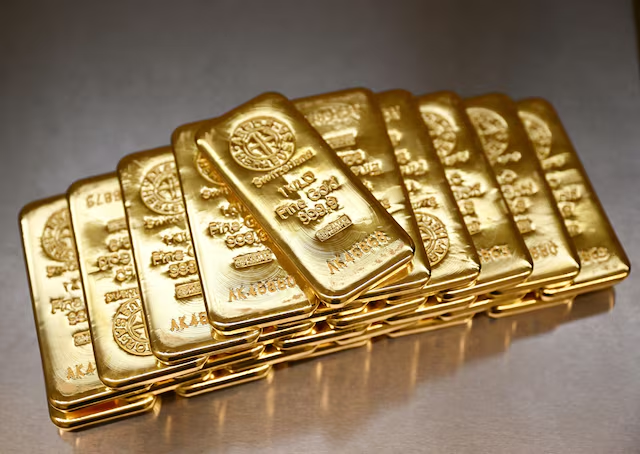
While gold has experienced sharp corrections in the past, a trillion-dollar valuation drop within half a day ranks among the most severe short-term declines in modern commodities history.
During the 2008 financial crisis, gold initially fell before rebounding strongly. Similarly, in the early stages of the COVID-19 pandemic, metals saw sharp swings before stabilizing.
However, the current trigger — AI takeover fears — represents a new variable in global finance.
Unlike geopolitical tensions or inflation shocks, technological disruption impacts both demand assumptions and capital allocation strategies simultaneously.
The Role of AI in Financial Markets
Artificial intelligence is not just affecting industrial productivity; it is increasingly embedded in trading itself.
AI systems now:
- Execute high-frequency trades
- Predict market trends
- Analyze macroeconomic data in real time
- Optimize portfolio allocations
Ironically, the very technology fueling investor fears may also have amplified the speed and magnitude of the sell-off.
Several analysts believe that AI-powered trading models triggered cascading stop-loss orders, accelerating the Gold and Silver Crash beyond what human traders alone would have caused.
What This Means for Precious Metals Investors
For long-term investors, the key question is whether this event marks a temporary shock or a structural shift.
Short-Term Outlook
Volatility is likely to remain elevated. Technical analysts suggest further downside risk if support levels fail to hold.
Medium-Term Considerations
If AI truly reduces inflationary pressure, gold’s traditional hedge narrative may need to evolve.
Long-Term Perspective
Historically, gold has survived technological revolutions — from the Industrial Age to the Digital Era. Some market strategists argue that AI-driven uncertainty could eventually restore demand for tangible assets.
Broader Economic Implications
The $1.1 trillion decline is not just symbolic; it reflects a major capital reallocation event.
Such rapid shifts can impact:
- Mining companies
- Exchange-traded funds (ETFs)
- Central bank reserves
- Retail investors
Several emerging market central banks, which increased gold reserves in recent years, may reassess their diversification strategies if volatility persists.
Meanwhile, mining stocks experienced double-digit declines in early trading sessions following the crash.
Is This the Start of a Commodities Reset?
Some economists believe this episode signals a broader transition in how markets value physical assets versus digital innovation.
As AI systems automate productivity and financial forecasting, traditional macroeconomic assumptions may evolve.
However, critics argue that fears of an AI takeover are overstated and that precious metals still serve critical roles in:
- Industrial manufacturing
- Jewelry demand
- Central bank reserves
- Crisis hedging
Silver, in particular, remains essential in electronics and renewable energy technologies — sectors that AI expansion could actually boost.
Expert Opinions Split
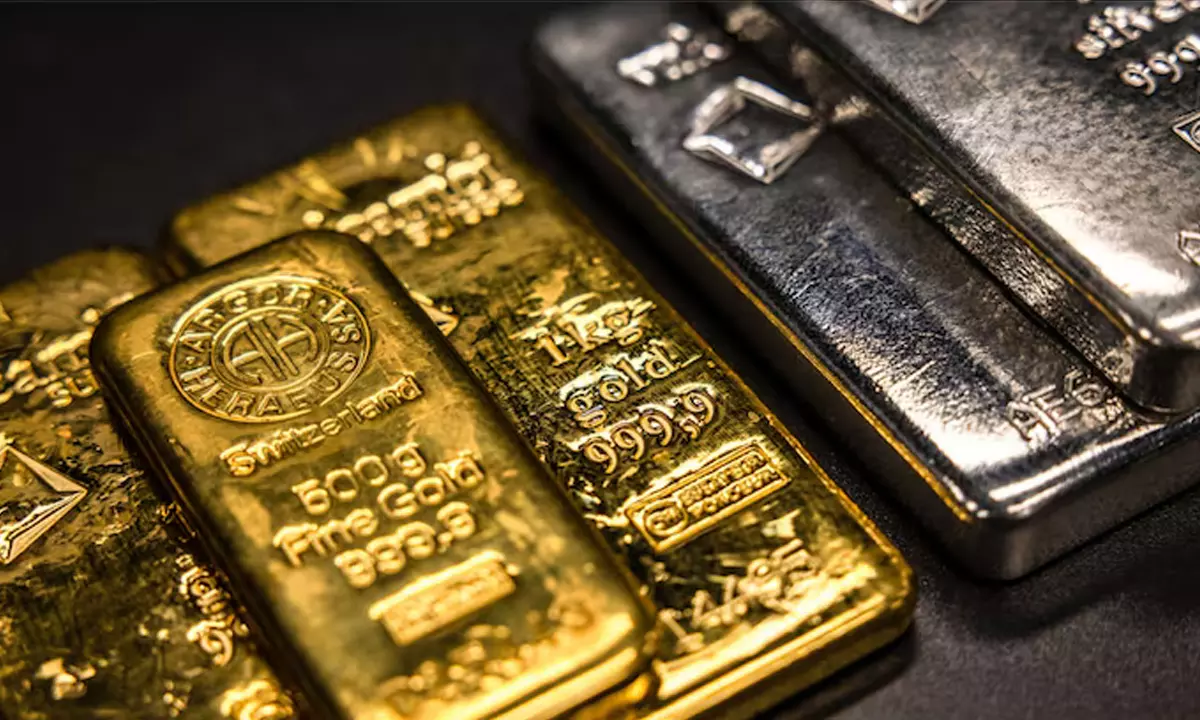
Market experts remain divided. One camp sees this as the beginning of a new investment paradigm where technology dominance overshadows traditional stores of value.
Another camp believes the sell-off was an overreaction fueled by automated trading and speculative positioning. Some even suggest that the dramatic correction could create buying opportunities for long-term investors.
What Investors Should Watch Next
Key indicators in the coming weeks include:
- Central bank policy signals
- Inflation data trends
- AI sector performance
- ETF inflow and outflow patterns
- Technical support levels in gold and silver
If volatility stabilizes, prices could recover. If AI-driven capital shifts accelerate, further pressure may follow.
A Turning Point for Precious Metals?
The Gold and Silver Crash that erased $1.1 trillion in just 12 hours underscores how rapidly markets can react to technological disruption.
AI takeover fears have introduced a new dimension of uncertainty — one that blends economic expectations, algorithmic trading, and investor psychology.
Whether this event marks a temporary correction or a structural shift remains to be seen. For now, markets are recalibrating in real time.
Investors would be wise to stay informed, diversify portfolios, and monitor both technological and macroeconomic developments closely.
Is this a short-lived panic — or the dawn of a new financial era shaped by artificial intelligence? The coming weeks may provide the answer.