
Oil markets are shaking again. Yemen’s Houthi rebels have widened their attacks beyond the Red Sea. This time, Saudi Arabia’s oil infrastructure and tankers took direct hits. The result of these attacks is a fresh wave of panic across global energy markets.
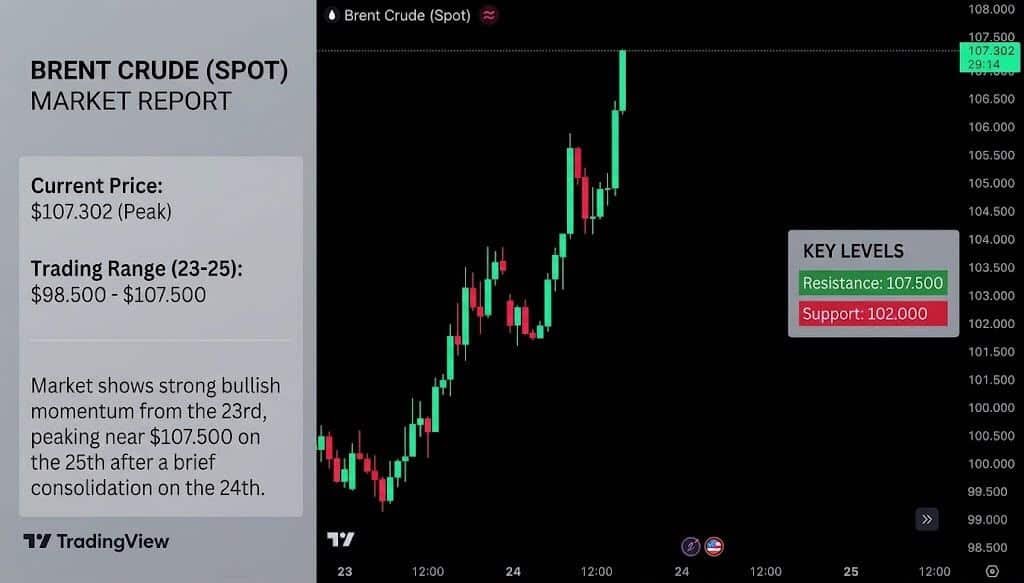
Brent crude, the world’s key benchmark, has climbed past $108 a barrel. US crude known as WTI, is now trading above $105. Prices have jumped more than 20 percent in just this month alone.
Saudi Arabia reportedly cancelled several crude shipments after drone strikes forced a pipeline shutdown. This is not a small pipeline either. It is one of the Saudi kingdom’s most important export routes. Its closure alone has rattled traders and refiners across continents.
Why the Houthis Are Targeting Saudi Oil
The Houthi movement is targeting Saudi Arabia in response to its military intervention in Yemen’s civil war, and recent Saudi airstrikes on Houthi-held areas like Sanaa, and a broader regional power struggle.
Ships have already been hit near the Bab el-Mandeb Strait. This narrow waterway carries a huge share of the world’s oil trade. Shipping traffic through this corridor dropped sharply after the attacks began. It later recovered somewhat, but the fear factor hasn’t faded.
Combined with ongoing tension in the Strait of Hormuz, the picture looks grim. Two of the world’s most critical oil chokepoints are now under threat simultaneously. That is a rare and dangerous combination for global supply chains.
Goldman Sachs analyst Yulia Zhestkova Grigsby summed it up sharply. She said the attacks on oil infrastructure “mark a meaningful escalation of the conflict.” Her team now sees a real chance that Brent could rise beyond $120 a barrel. Other analysts, including those at Rystad Energy, echoed similar warnings. They noted the market is “increasingly pricing in a significant loss of supply.”
What This Means for Petrol Prices in Pakistan
Pakistan, which imports most of its fuel, cannot escape this global storm. Local petrol and diesel prices have been rising almost daily this month. Since September 1 alone, petrol has jumped by more than Rs41 per litre. Diesel has climbed by an even steeper margin.
As of today, petrol stands at Rs390.12 per litre nationwide. Diesel is priced at Rs414.75 per litre, according to the latest OGRA notification. Just a week ago, these numbers looked very different. Petrol had crossed Rs393 briefly before settling slightly lower again.
The Oil and Gas Regulatory Authority now reviews fuel prices daily. This shift began earlier this year as global volatility became the new normal. Officials say daily pricing better reflects real-time changes in the international market. Dealers, however, have pushed back against this frequent adjustment model.
Ordinary Pakistanis are feeling the pinch everywhere. Transport fares are creeping up. Businesses relying on diesel-powered logistics face rising costs too. Even household budgets are stretched thin as fuel expenses eat into monthly income.
How the Government Is Responding
Prime Minister Shehbaz Sharif has taken a firm stance on this crisis. He recently ordered a nationwide crackdown on fuel hoarding. Speaking at a high-level meeting, he did not mince words.
“Any petrol pump involved in the heinous business of creating artificial shortages should be shut down immediately, its licence cancelled, and legal proceedings initiated,” he said. That statement set the tone for the government’s current approach.
The Petroleum Ministry has assured citizens that fuel stocks remain sufficient for now. A real-time digital dashboard has also been ordered. This system will track fuel movement across all provinces. The goal is preventing artificial shortages before they start.
READ MORE: Fuel Subsidy Alert: How Millions of Pakistanis Can Now Get Rs100 Off Every Litre of Petrol
OGRA has issued its own warning too. A spokesperson stated plainly: “Any premises found involved in the illegal storage of petroleum products will be sealed.” Provincial governments have been told to act fast against violators. Several petrol pumps have already faced scrutiny under this new policy.
The government has also promised targeted relief for vulnerable groups. Motorcyclists, rickshaw drivers, and low-income transporters remain a key focus area. Subsidy programs launched earlier this year continue running alongside these price hikes. Whether they are enough remains an open question for many families.
What Comes Next?
Nobody can say for certain where this crisis heads next. If Houthi attacks widen further, prices could spiral even higher. Some analysts even mention the possibility of oil nearing $150 a barrel. That would be catastrophic for import dependent countries like Pakistan.
For now, the situation stays tense. Markets are watching every headline out of Riyadh, Sanaa, and Tehran closely. Pakistan’s government meanwhile, is trying to balance market realities with public relief. For now, Pakistanis can only brace themselves and watch the pumps carefully.