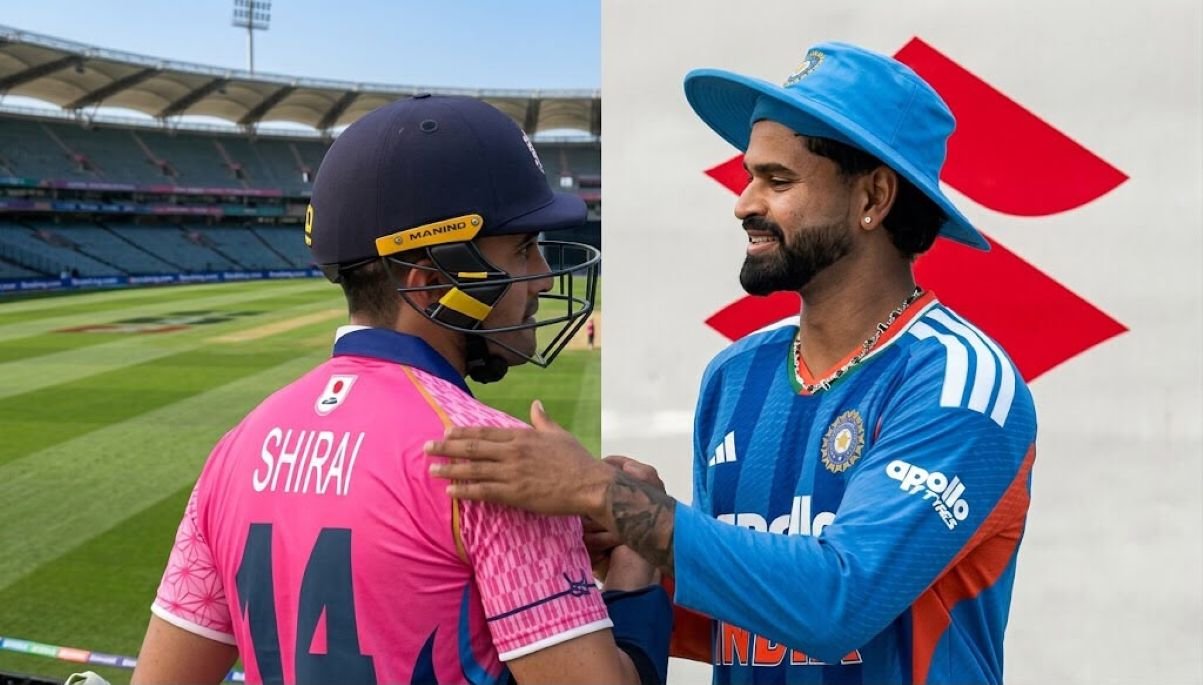

Cricket history was made in Sano on Tuesday, and it very nearly did not go the way anyone expected. India and Japan faced each other in a men’s international cricket match for the very first time. India scraped through by just two runs, but Japan gave the reigning T20I world champions a fright nobody saw coming.
How This Historic Match Came Together
Dubbed the Suzuki Cup, this one off T20I was staged specifically to mark 75 years of diplomatic relations between India and Japan, launching a broader initiative called Sport 75 aimed at strengthening sporting ties between the two nations. The match also served as a final tune-up for both squads ahead of the Asian Games 2026, set to begin in Aichi-Nagoya just two days later.
Japan’s captain, Kendel Kadowaki-Fleming, revealed just how long this fixture had been in the making. He credited Naoki Alex Miyaji, CEO of the Japan Cricket Association, with pushing hard to make it happen. “When news first came up that we were hosting the Asian Games, Naoki had been talking about the concept of having India here for a game,” Kadowaki-Fleming said, calling the moment “extremely special for a lot of people involved.”
Weather nearly stole the show before the cricket even started. A wet outfield delayed the toss significantly, with inspection times shifting repeatedly amid ominous dark clouds rolling over the Sano International Cricket Ground. Eventually, once play got underway, both innings were reduced to just five overs each, turning an already historic occasion into a genuine sprint.
A Thriller Decided in the Final Over
India batted first and posted a modest 32 for 4, with captain Shreyas Iyer top-scoring through a brisk 16 off just 12 balls. Sanju Samson chipped in with 9, but Japan’s bowling attack, led by teenage sensation Charlie Hara-Hinze, kept things admirably tight throughout India’s brief innings.
Chasing just 33 to win, Japan made India sweat far more than anyone anticipated. Kadowaki-Fleming himself top-scored for his side with 12 off 12 balls, falling agonisingly on the final delivery of the fourth over. That left Japan needing eight runs from the final six balls, a genuinely tense equation against one of the best bowling attacks in world cricket.

Axar Patel took the ball for that decisive final over, and despite conceding a couple of singles and a wide, he held his composure when it mattered most. Japan finished on 30 for 3, falling just short as India secured a dramatic two-run victory, sealing their 200th T20I win in the process.
What Both Captains Had to Say Afterward
Shreyas Iyer admitted how tense the finish had felt, framing it instead as exactly the kind of pressure he thrives under. “I think it is a pleasure to be leading the Indian team with the performances you have seen in the past, winning so many trophies,” Iyer said, adding candidly that leadership brings real responsibility, and “without responsibility, it does not come pressure, and I feel that I thrive under pressure.”
For Japan, the mood afterward carried genuine pride rather than disappointment. Kadowaki-Fleming spoke openly about how emotionally charged the contest had become for his players. “I’ve been saying to a few other guys that when the game gets that close, the loss is actually a little bit tougher to take, and the emotions are running pretty high in our group,” he said, “The fact that we were able to run the best team in the world, in my opinion, to the last ball of a game is pretty special.”
He also credited India’s bowling attack directly for making the chase as difficult as it was. “They have got some world class spinners, Axar, Washington and Ravi Bishnoi bowling,” Kadowaki-Fleming noted, reflecting on how a required rate of six and a half runs per over on an unfamiliar surface tested his batters’ composure throughout.
What This Result Means Going Forward
Rankings tell part of the story behind why this match mattered so much. Japan currently sit 41st in the ICC men’s T20I rankings, and had never previously faced a Full Member nation in their history before Tuesday. Facing Shreyas Iyer’s India, the reigning T20I world champions, represented a genuinely monumental step for Japanese cricket’s development.
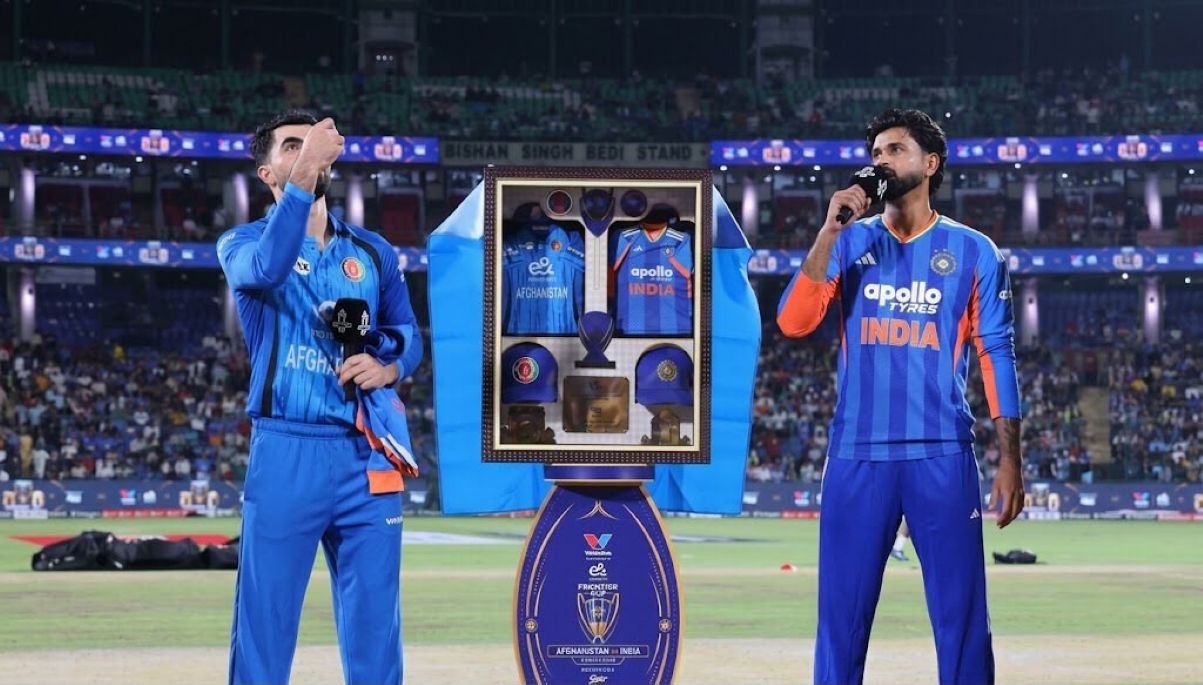
For India, arriving fresh off a commanding 3-0 T20I series sweep of Afghanistan, this result extends their dominant recent form, even if the margin ended up far tighter than most expected against unfamiliar Associate-nation opposition.
Japan do not have long to dwell on the near miss either. With just a 36-hour turnaround before the Asian Games begins, Kadowaki-Fleming confirmed his side will rest briefly before facing Afghanistan in their tournament opener on September 24, followed by Nepal two days later.