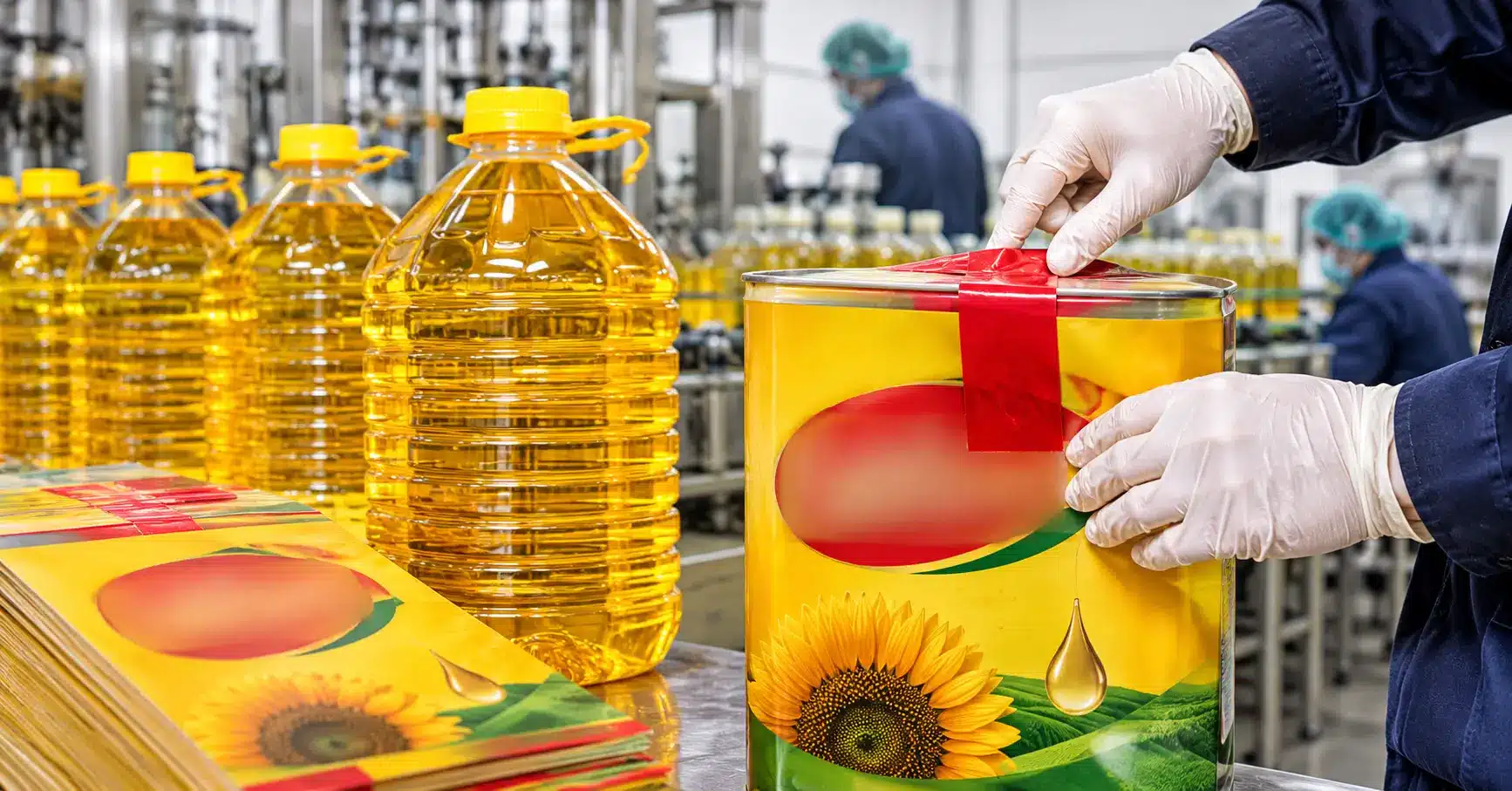

A cooking oil factory sealed operation in Lahore exposed a disturbing food adulteration case after Punjab Food Authority officials discovered 4,800kg of hazardous ghee, contaminated materials and counterfeit packaging intended to deceive consumers.
The August 20, 2024, raid on Jaranwala Road uncovered an illegal manufacturing operation allegedly extracting ghee from animal waste and fat. Officials also seized packaging materials bearing designs associated with popular edible oil brands.
PFA Seals Cooking Oil Factory on Jaranwala Road
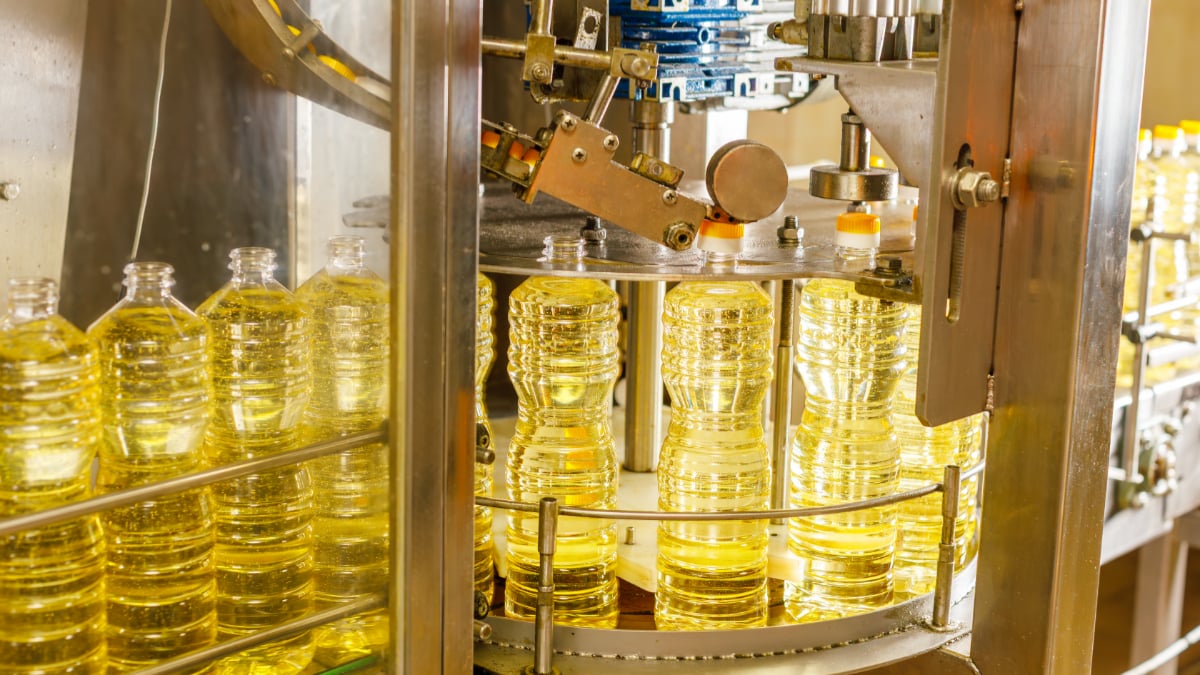
The Punjab Food Authority uncovered the counterfeit ghee manufacturing unit during an enforcement operation following a tip-off. The raid targeted a facility suspected of producing unsafe edible products and misleading customers through unauthorised brand packaging.
PFA Director General Muhammad Asim Javaid confirmed the operation during a media briefing at the authority’s headquarters. According to his statement, an FIR was registered against the alleged perpetrators, and individuals were arrested at the location.
What Officials Discovered Inside the Factory
The inspection exposed serious manufacturing and hygiene violations. Authorities reported that animal waste and fat were being processed into ghee, which was subsequently stored in rusty tanks before being prepared for distribution.
READ MORE: USD 540,855 project to test antibiotic alternatives on Pakistani poultry farms
Officials also discovered missing business records and incorrect addresses printed on product labels. The facility reportedly failed to provide documentation showing an agreement with a biodiesel or soap manufacturing company, raising further questions about its operations.
4,800kg of Hazardous Ghee Discarded
The enforcement team discarded substantial quantities of unsafe materials recovered during the operation. The confiscated substances included hazardous ghee, loose cooking oil and industrial chemicals, highlighting the seriousness of the reported manufacturing violations.
The reported recovery included:
4,800kg of hazardous ghee
150 litres of loose cooking oil
375kg of caustic soda
125kg of bleaching powder
These quantities were reported in the authority’s account of the raid.
Counterfeit Edible Oil Packaging Seized
Investigators also confiscated 1,700 counterfeit cartons associated with famous edible oil brands, alongside 775kg of packaging material. Four storage tanks and a packing machine were recovered, indicating the operation involved more than simple storage or resale.
The authority alleged that contaminated ghee was being packed using counterfeit labels to mislead customers. However, the publicly available report did not identify the genuine brands or establish involvement by their manufacturers.
| Seized material | Reported quantity |
|---|---|
Hazardous ghee | 4,800kg |
| Loose cooking oil | 150 litres |
Caustic soda | 375kg |
| Bleaching powder | 125kg |
Counterfeit cartons | 1,700 |
| Packaging material | 775kg |
Storage tanks | 4 |
| Packing machines | 1 |
How Fake Cooking Oil Products Deceive Consumers

Counterfeit food manufacturers exploit consumer familiarity with established brands. By copying packaging colours, labels and product presentation, illegal operators can make substandard products appear trustworthy, potentially allowing unsafe goods to enter ordinary retail markets.
Consumers purchasing packaged cooking oil may therefore struggle to distinguish genuine products from sophisticated imitations. The Lahore operation demonstrated why brand recognition alone cannot guarantee authenticity, particularly when products are distributed through unverified suppliers.
Why Adulterated Ghee and Cooking Oil Are Dangerous
The reported use of animal waste and contaminated materials raises serious food-safety concerns. Products manufactured under unhygienic conditions can expose consumers to harmful contaminants, while unidentified chemical residues create additional risks that require proper laboratory assessment.
The World Health Organization warns that industrially produced trans fats increase cardiovascular risks. Its January 2024 fact sheet estimates more than 278,000 annual deaths globally attributable to industrially produced trans-fat consumption.
What Pakistani Food Safety Regulations Say
Punjab’s Pure Food Regulations 2018 establish requirements covering food manufacturing, packaging, labelling, business licensing and edible oil standards. These rules provide the regulatory framework for authorities investigating unsafe food production and misleading product presentation.
The regulations also distinguish edible products from materials prohibited for human consumption. Animal fats and tallow are listed among substances restricted to non-food purposes, including biodiesel production, under the relevant prohibited-substances provisions.
PFA Enforcement Figures Reveal Wider Concerns

The August 2024 briefing also highlighted the scale of enforcement activity. Muhammad Asim Javaid reported that since January 2024, the authority had shut down 637 oil and ghee manufacturing units, fined 13,280 food business operators and discarded 75,073 litres of inferior-quality ghee.
More recent federal testing findings published on August 19, 2026, indicate that food-quality concerns extend beyond individual counterfeit manufacturing facilities. A national assessment examined 491 samples of ghee, edible oils and milk collected across Pakistan.
National Food Testing Raises Further Questions
The federal assessment found 176 of the 491 samples non-conforming across the tested food categories. Findings included excessive trans fats, elevated peroxide values, free fatty acids and missing Vitamin A fortification in certain products.
In blended cooking oil, Vitamin A was absent in 26 samples, while four samples exceeded the prescribed peroxide-value limit. These findings underline the importance of independent laboratory testing and consistent regulatory monitoring.
What Consumers Should Check Before Buying Cooking Oil
The Lahore case highlights the importance of checking product authenticity before purchasing cooking oil or ghee. Consumers should avoid relying exclusively on familiar packaging, especially when buying from unfamiliar shops or suppliers offering unusually low prices.
The following precautions can help reduce exposure to counterfeit products:
Check manufacturing and expiry dates.
Inspect seals and packaging for tampering.
Verify manufacturer details and printed addresses.
Purchase from authorised retailers where possible.
Check relevant product registration and certification details.
Report suspicious products to the Punjab Food Authority.
The authority also provides food-testing services for fats and oils, allowing food samples to be assessed for adulteration and contamination.
Stronger Food Safety Enforcement Remains Essential
Sealing an illegal manufacturing facility is an important enforcement step, but preventing unsafe products from reaching consumers requires continued inspections, laboratory testing and supply-chain investigations. Authorities must also establish whether counterfeit products entered retail markets.
The 2026 national assessment adds urgency to this challenge. Better coordination between provincial regulators, federal institutions and food-testing laboratories will be essential to improve product traceability and protect consumers from unsafe edible products.
Would you feel confident buying cooking oil from a familiar-looking package without first verifying its manufacturer and authenticity?