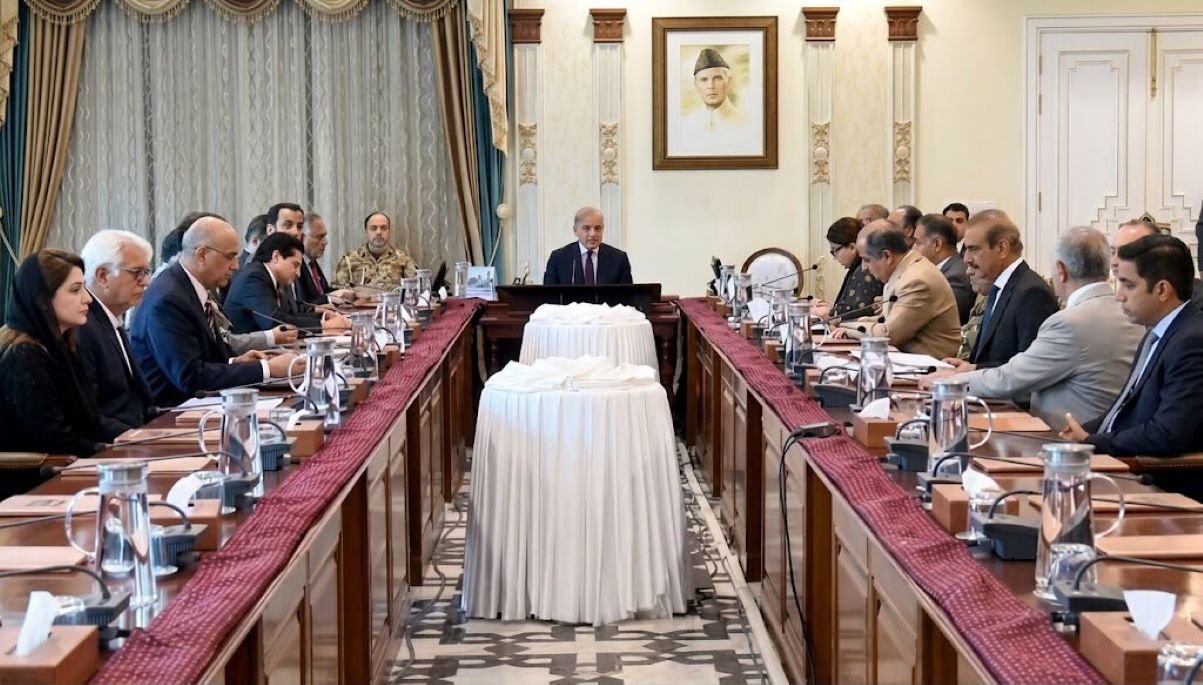

Pakistan’s fuel relief scheme has got some new updates. Prime Minister Shehbaz Sharif issued fresh directives on Friday, ordering that motorcycles, rickshaws, and Qingqis registered anytime after January 1, 2006 now qualify for the relief.
What Changed With This New Directive
The Prime Minister’s Office confirmed the update directly through a post on X, stating plainly that “all motorcycles, rickshaws, and Qingqis registered after Jan 1, 2006, will be eligible for registration in the Prime Minister Fuel Relief Scheme.”
The PMO did not stop there, adding a second statement that made the intent unmistakably clear. “Now, those who drive 20-year-old motorcycles, rickshaws, and Qingqis will also be able to benefit from the Prime Minister’s Fuel Relief Scheme,” the office said. For countless working class families still riding decades old bikes, this expansion matters enormously.
This move comes just five days after PM Shehbaz Sharif first announced the scheme on September 13, originally pitched as a way to alleviate the burden rising global oil prices have placed on ordinary Pakistanis.
Who Qualifies and How Much Relief Is on Offer
Eligible motorcycles, rickshaws, Qingqis, and other two and three wheelers receive a flat Rs100 per litre discount on petrol, capped at 20 litres every month. That translates into savings of up to Rs2,000 monthly for these vehicle categories.
Small car owners have not been left out either. Anyone driving a vehicle with an engine up to 800cc qualifies for the same Rs100-per-litre relief, though their monthly allowance is slightly higher at 30 litres, working out to potential savings of Rs3,000 each month.
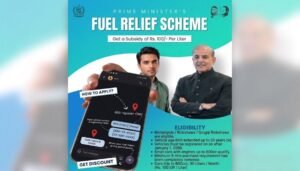
What has changed now is simply who counts as eligible in the first place. Previously, older vehicles risked falling outside registration requirements or documentation standards needed to join the scheme. Extending eligibility back to vehicles registered in 2006 removes that barrier for a huge segment of everyday commuters.
Also some new points got introduced, including the validity of Token, it would stay eligible for 7 days. The new scheme replaces the previous 5-liter per-token limit too with a flexible Rs 500 discount per token.
How You Can Actually Apply for This Relief
Applying for the scheme still runs through a simple SMS-based process, designed to keep things accessible even for citizens without smartphones or internet access. The first step involves sending “REG” along with your CNIC number to 9771, including your vehicle’s registration number, provincial code, and registration date in that same message.
Once registration goes through successfully, the second step is requesting your fuel token. This just requires sending “TOK” to the same number, 9771. That token then serves as your proof of eligibility at the pump, and simply showing it should trigger the automatic Rs100-per-litre deduction.
With this expanded eligibility now in place, owners of older motorcycles and rickshaws who may have held back before, unsure if their vehicle qualified, are encouraged to register as soon as possible.
Rollout Troubles and What Comes Next
On Thursday, the scheme’s first full day of nationwide rollout, many petrol pumps reportedly declined to honour the digital app altogether, claiming they simply lacked the technical system needed to process the reduced rate. That left plenty of eligible citizens frustrated at the pump despite having registered correctly.
The Pakistan Petroleum Dealers Association had already voiced concerns a day earlier, saying its members remained unclear about exactly how they would be reimbursed for the subsidy amounts they were expected to absorb upfront.
All of this is unfolding against a genuinely difficult backdrop. Renewed conflict in the Middle East has disrupted major oil shipping routes, including growing threats near the Bab al-Mandab strait from Houthi forces, on top of ongoing disruptions tied to the US-Iran conflict around the Strait of Hormuz.
Alongside this fuel relief expansion, the government has also reintroduced broader austerity measures this week, including a 9pm closing time for markets and a 50 percent cut in fuel allocated to official government vehicles for the next three months.
For everyday Pakistanis navigating rising fuel costs, this expanded eligibility offers genuine relief, provided the implementation issues at petrol pumps get sorted out quickly. Whether this scheme continues evolving with further adjustments in the coming weeks will likely depend on how effectively the government addresses these early rollout complaints.