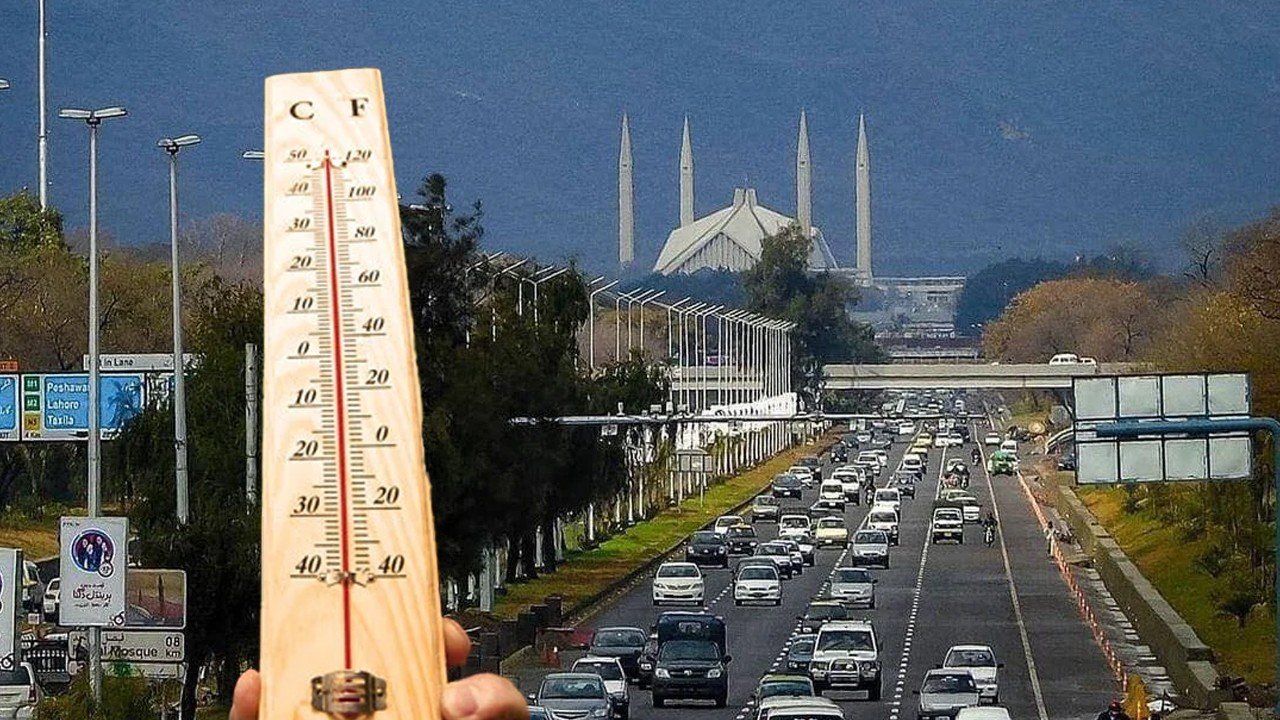

Pakistan’s capital faced an unexpected security scare after reports emerged of an Islamabad drone attack, marking the first suspected drone intrusion into the capital’s airspace. According to preliminary security sources, unidentified unmanned aerial vehicles (UAVs) were detected near the Islamabad–Rawalpindi region on Friday, prompting an immediate response from Pakistan’s air defense systems.
Officials said the drones were tracked near sensitive areas before security forces moved to intercept them. The UAVs were reportedly neutralized before they could reach strategic installations. No casualties or damage were reported, but the incident triggered heightened security measures across the capital.
Authorities are now investigating the origin and purpose of the drones. While it remains unclear whether the UAVs were intended for surveillance or a potential strike, the event has raised serious questions about airspace protection in Islamabad.
How the Drone Incident Unfolded

Initial reports indicate that the suspected drones were flying at relatively low altitude when they entered Islamabad’s airspace. This made them difficult to detect using traditional radar systems, which are typically optimized for larger aircraft.
Once detected, air defense units quickly activated monitoring systems and tracked the drones’ movement across the Islamabad–Rawalpindi corridor.
Security officials revealed several key developments during the incident:
- Unidentified drones were detected near the capital’s airspace.
- Defense systems tracked their movement shortly after detection.
- Security forces intercepted the UAVs before they reached sensitive locations.
- Authorities launched an investigation into the origin of the drones.
Although the situation was quickly contained, the event has triggered concerns about emerging drone threats in urban areas.
Why the Islamabad Drone Attack Matters
The Islamabad drone attack is significant because it represents a potential shift in the type of security threats facing Pakistan’s capital. Historically, Islamabad has been considered one of the most secure cities in the country due to the heavy presence of security agencies and military installations.
However, drone technology has dramatically changed modern security dynamics. Small unmanned aerial systems can bypass traditional defenses and enter restricted zones without being immediately detected.
Security experts warn that such incidents could signal the beginning of a new security challenge where drones are used for surveillance, intelligence gathering, or even targeted attacks.
Analysis: Drone Warfare and Changing Security Threats
Rise of Drone Technology in Modern Conflict
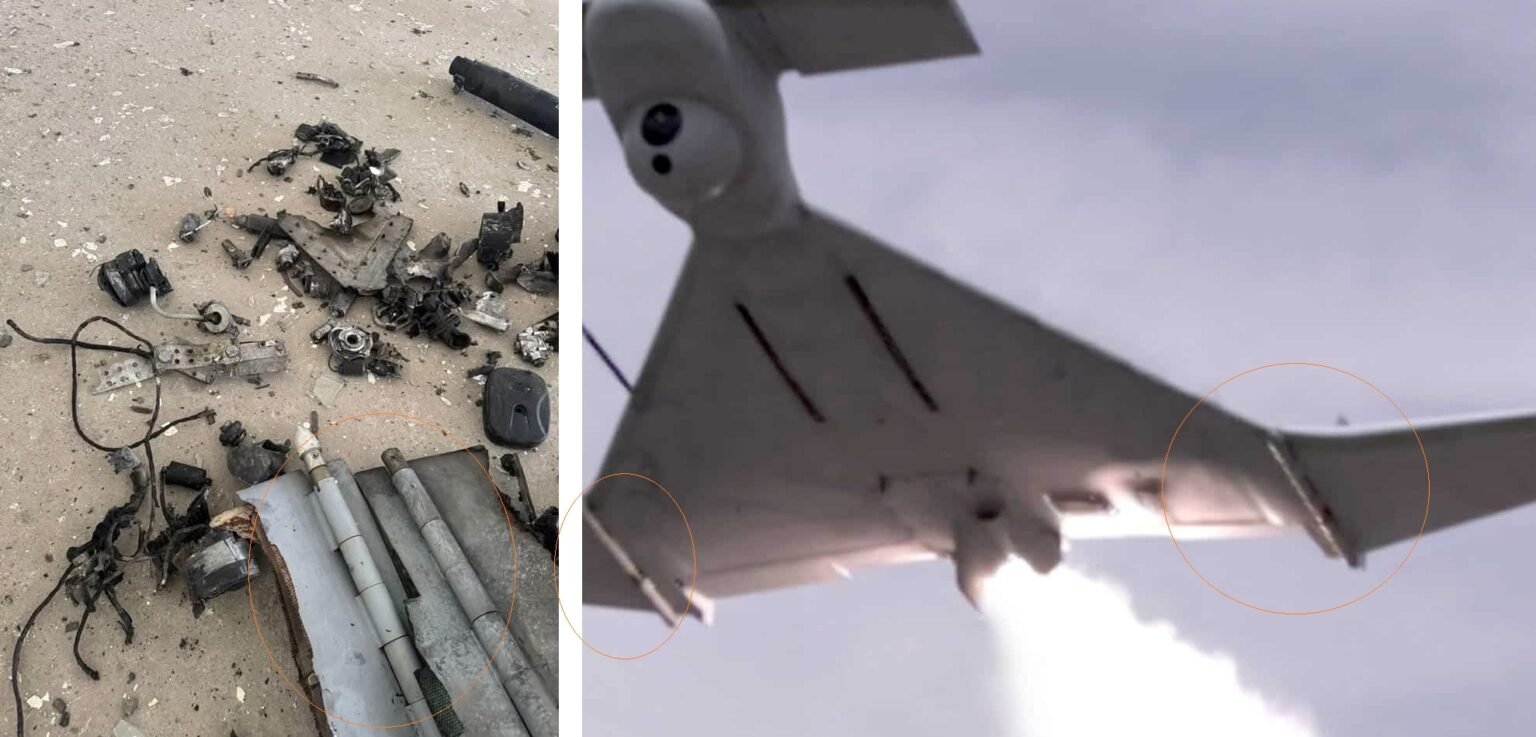
Over the past decade, drones have become a major tool in both military operations and irregular warfare. From reconnaissance missions to targeted strikes, UAVs are now widely used because they are cheaper, easier to operate, and harder to detect than traditional aircraft.
In conflict zones across the Middle East, Eastern Europe, and South Asia, drones have played an increasingly important role. Non-state actors and militant groups have also started using modified commercial drones for surveillance and attacks.
The Islamabad drone incident reflects how this technology is gradually entering urban security environments.
Possible Objectives Behind the Drone Intrusion
Security analysts suggest several possible motives behind the suspected drone activity in Islamabad:
- Surveillance Operations
The drones may have been used to collect intelligence about sensitive government or military installations. - Testing Air Defense Systems
Another possibility is that the drones were launched to test Pakistan’s air defense capabilities and response time. - Psychological or Strategic Signaling
In some cases, drone intrusions are meant to send a political or strategic message without causing physical damage. - Preparation for Future Attacks
Experts also warn that reconnaissance drones are sometimes used to map targets before a larger operation.
While investigators have not confirmed any specific motive yet, these possibilities remain under examination.
Islamabad’s Airspace Security Under Scrutiny
The incident has triggered debate among security analysts about how well Pakistan’s capital is protected against drone threats.
Traditional air defense systems were designed to detect fighter jets, missiles, and large aircraft. However, modern drones are much smaller and can fly at very low altitudes, making them harder to track.
Experts say protecting cities from drones requires a different set of technologies, including:
- Counter-drone radar systems
- Electronic jamming devices
- Drone interception technology
- AI-based surveillance systems
Many countries are now developing specialized anti-drone defense networks to protect critical infrastructure and government buildings.
Regional Context and Rising Tensions
The Islamabad drone attack comes at a time when tensions across South Asia and the wider region remain high. Drone warfare has already been used in multiple conflicts globally, including operations along contested borders.
In recent years, countries in the region have invested heavily in drone technology for both surveillance and military operations. This has increased the likelihood of drone-related incidents in sensitive areas.
Security analysts say the Islamabad event could reflect broader geopolitical dynamics where drone technology is increasingly used as a strategic tool.
Government Response and Security Measures
Following the incident, security agencies reportedly increased surveillance and monitoring across Islamabad. Authorities also reviewed air defense protocols to prevent similar incidents in the future.
Officials are considering several steps to strengthen the capital’s defenses, including:
- Expanding radar coverage around Islamabad
- Deploying advanced counter-drone systems
- Enhancing intelligence coordination between security agencies
- Increasing monitoring near strategic installations
Government sources emphasized that the swift response by security forces prevented any harm.
Public Reaction and Concerns
News of the Islamabad drone attack quickly spread across social media, sparking debate among residents and security observers. Many people expressed concern about how drones could enter the capital’s airspace.
Others praised the quick response by Pakistan’s defense forces in neutralizing the threat.
Security analysts believe that incidents like this highlight the importance of modernizing airspace monitoring systems and strengthening urban security frameworks.
Outlook!
The Islamabad drone attack has opened a new chapter in Pakistan’s security challenges. While the drones were successfully intercepted and no damage occurred, the incident underscores how emerging technologies are changing the nature of modern threats.
Experts say the event should serve as a wake-up call for policymakers to strengthen counter-drone capabilities and adapt security strategies to the evolving realities of aerial warfare.
As investigations continue, the key question remains whether the drone intrusion was an isolated incident or part of a broader pattern of emerging security threats in the region.