Pakistan has shown a modest improvement in the Global Corruption Perceptions Index (CPI) 2025, according to the latest annual report released by Transparency International. The country’s score rose by one point compared to last year, signaling a slight improvement in the perceived level of public-sector corruption. While the change is small, analysts say it reflects incremental progress in governance and accountability, even as deeper structural challenges persist.
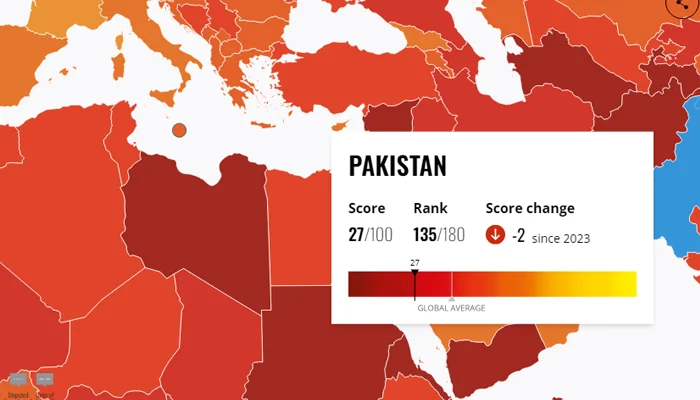
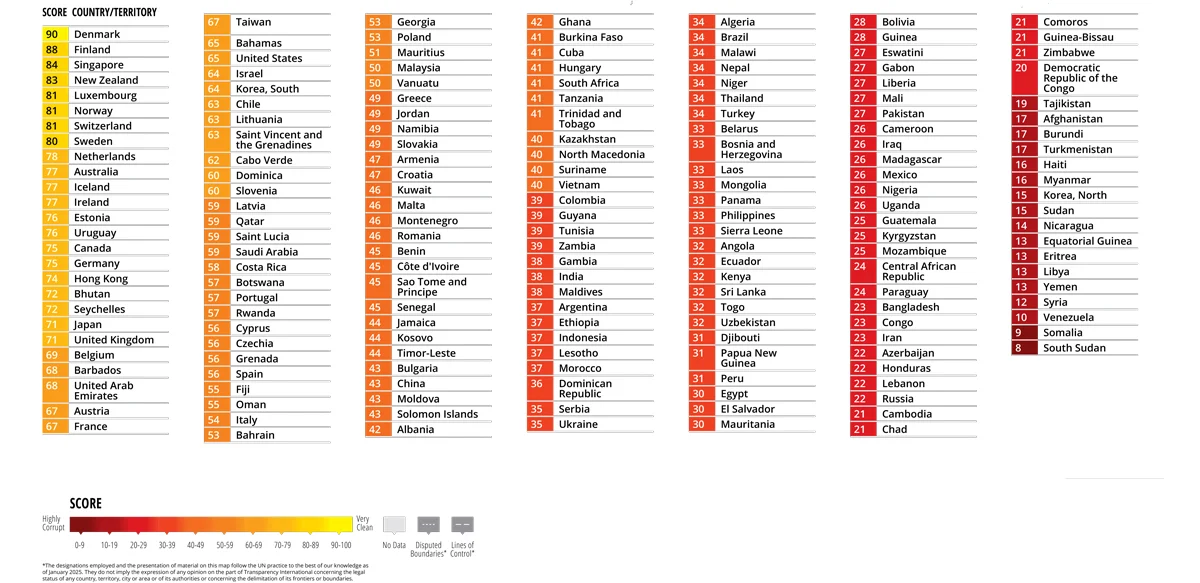
The CPI 2025 results place Pakistan at 136th position out of 182 countries, with a score of 28 out of 100. The index, which measures perceptions of corruption in the public sector, is widely used by governments, investors, and international institutions to assess transparency and governance standards across the world.
What Is the Global Corruption Perceptions Index?
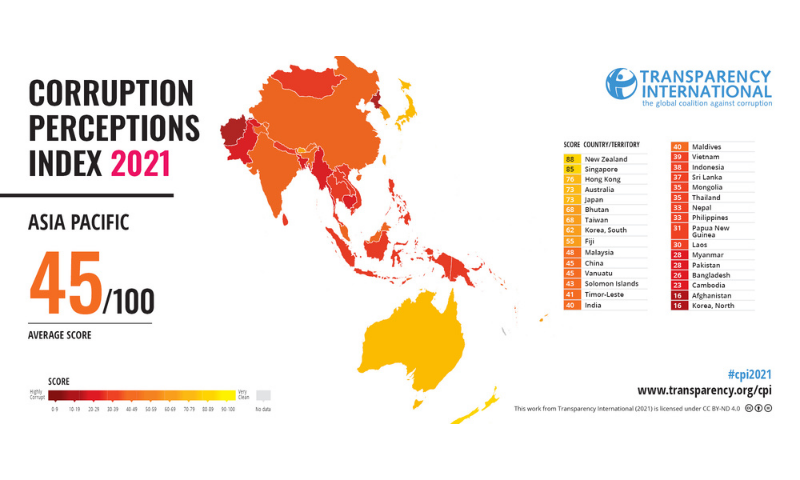
The Global Corruption Perceptions Index is published annually by Transparency International, a global anti-corruption watchdog. It ranks countries based on expert assessments and business surveys that evaluate how corrupt a country’s public sector is perceived to be.
How the CPI Works
- Scores range from 0 to 100
- 0 indicates a highly corrupt public sector
- 100 represents a very clean and transparent system
- The index focuses on perceptions, not direct corruption cases
Although perception-based, the CPI is considered a reliable indicator because it draws on multiple independent data sources and expert evaluations.
Pakistan’s CPI 2025 Performance Explained
A Small But Noticeable Improvement
In 2025, Pakistan’s CPI score increased from 27 to 28, marking a one-point improvement over the previous year. Its global ranking also shifted slightly, reflecting marginal progress compared to other countries assessed in the same period.
This development supports the broader narrative that Pakistan improves slightly in Global Corruption Perceptions Index 2025, though it remains among the lower-ranked nations worldwide.
Why the Improvement Matters
Even a one-point increase can be meaningful in a tightly packed index where many countries cluster around similar scores. Experts say the improvement suggests:
- Better enforcement in some regulatory areas
- Increased scrutiny of public-sector processes
- Continued pressure from international institutions for governance reforms
However, they also caution that such gains can easily be reversed without consistent policy follow-through.
Factors Behind Pakistan’s CPI Performance
Governance and Institutional Reforms
Over the past year, Pakistan has taken steps aimed at improving transparency in public administration. These include efforts to streamline procurement processes, introduce digital systems in some government departments, and enhance oversight mechanisms.
While progress has been uneven, such measures contribute positively to international perceptions of governance.
Role of Accountability Institutions
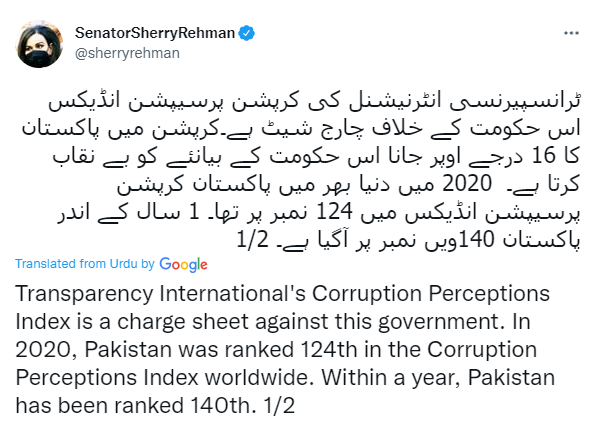
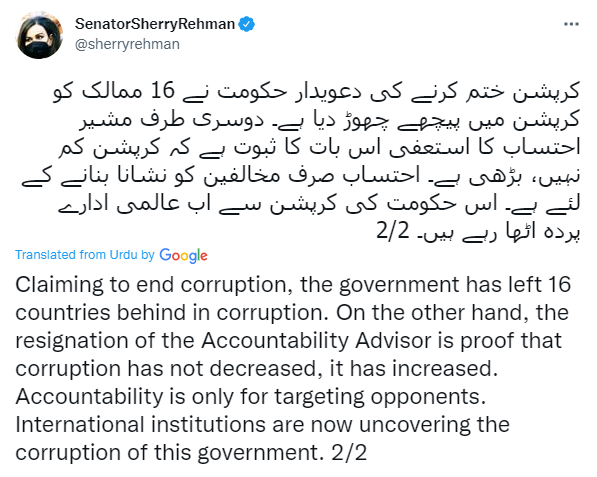
Institutions responsible for accountability and investigation have remained active, though critics argue that selective enforcement and political influence continue to undermine their effectiveness. Transparency International has repeatedly emphasized the need for independent and impartial accountability systems to achieve lasting improvement.
Economic and Political Stability
Political uncertainty and economic stress also shape perceptions of corruption. Periods of instability often weaken oversight, increase discretionary powers, and reduce public trust — all of which negatively affect CPI scores.
How Pakistan Compares Globally?
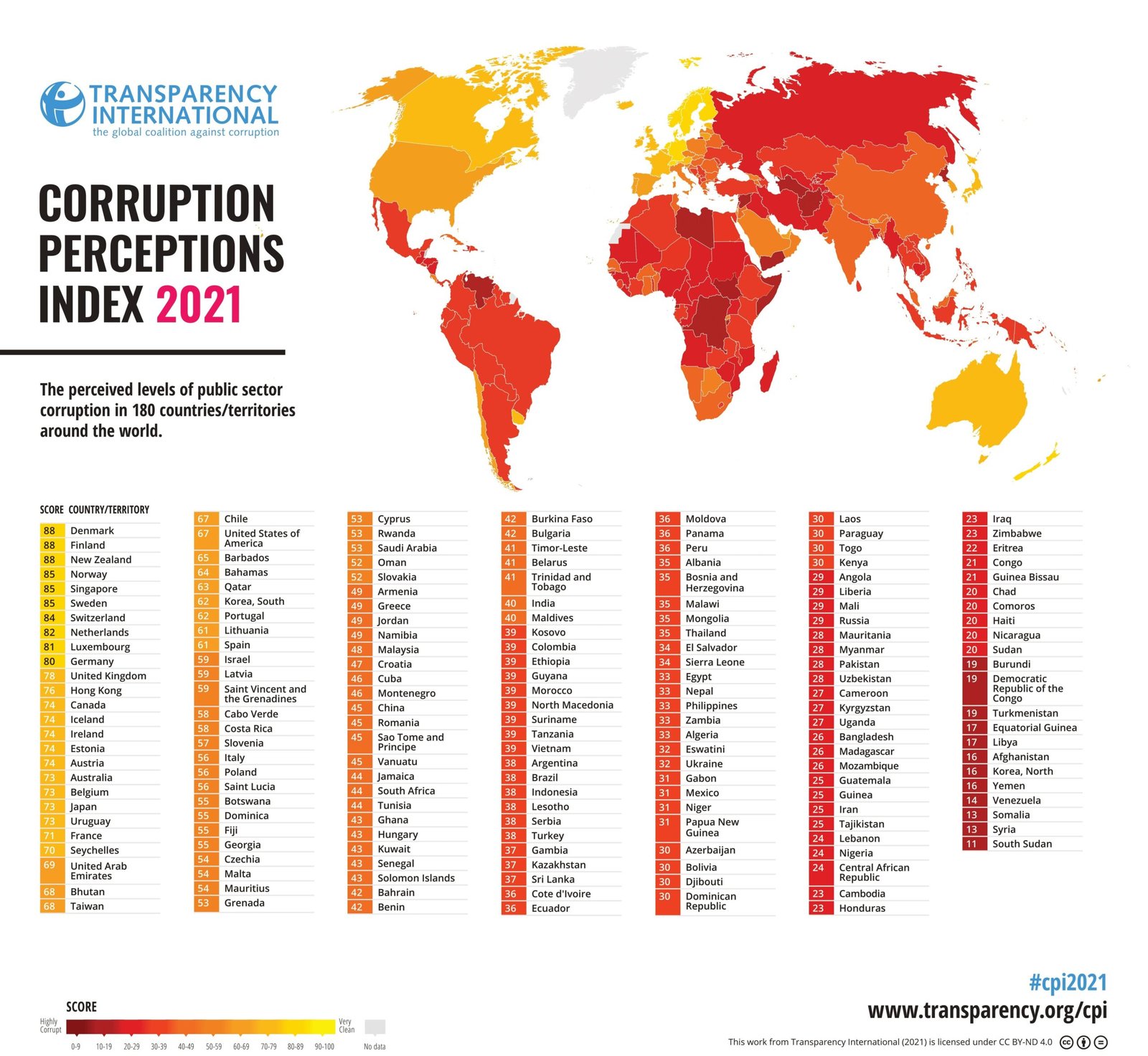
The Global Corruption Perceptions Index 2025 report highlights a worrying global trend. The global average score remains below 45, indicating that corruption continues to be a serious problem worldwide.
Key global observations include:
- More than two-thirds of countries score below 50
- Several democracies saw declines due to weakened oversight
- Conflict-affected states remain at the bottom of the index
Top and Bottom Performers
- Countries such as Denmark, Finland, and New Zealand continue to rank among the least corrupt, benefiting from strong institutions and transparency laws.
- Nations facing political instability, weak rule of law, or conflict occupy the lowest ranks.
Pakistan’s position places it in the lower half of the index, highlighting the scale of reforms still required to match regional and global best practices.
South Asia: A Regional Perspective
Within South Asia, Global Corruption Perceptions Index rankings show mixed results. Some countries have improved through targeted reforms, while others have stagnated due to governance challenges.
Regional comparison shows:
- Countries investing in judicial independence and digital governance tend to perform better
- Weak enforcement and limited transparency continue to affect scores across the region
Pakistan’s slight improvement keeps it competitive within the region but does not significantly alter its relative standing.
Why CPI Rankings Matter for Pakistan
Impact on Investment and Economy
Global Corruption Perceptions Index scores influence how international investors assess risk. A low corruption score can:
- Discourage foreign direct investment
- Increase borrowing costs
- Affect negotiations with global financial institutions
Even small improvements help signal commitment to reform, which can support economic confidence.
Public Trust and Governance
Domestically, corruption perceptions affect public trust in institutions. Surveys consistently show that citizens expect:
- Fair accountability across political and bureaucratic lines
- Transparent use of public funds
- Faster and impartial justice
Improving Global Corruption Perceptions Index scores often aligns with stronger public confidence in governance systems.
What Experts Say Needs to Change?
Transparency advocates and governance experts agree that incremental gains are not enough. To significantly improve future Global Corruption Perceptions Index rankings, Pakistan must focus on long-term reforms rather than short-term actions.
Key Recommendations
- Strengthen the independence of accountability institutions
- Ensure transparency in political financing
- Reduce discretionary powers in public offices
- Protect media freedom and whistleblowers
- Fully implement international anti-corruption commitments
Without these steps, improvements in perception may remain temporary.
The Road Ahead: Can Pakistan Do Better?
The Global Corruption Perceptions Index 2025 results show that Pakistan is not standing still, but progress remains slow. Sustained political will, institutional independence, and public-sector transparency will be essential to move beyond marginal improvements.
As global scrutiny of governance increases, countries that fail to address corruption risks may fall further behind. For Pakistan, the challenge is to convert small gains into meaningful reform that improves both perception and reality.
Where Pakistan Stands Now
Pakistan’s slight rise in the Global Corruption Perceptions Index 2025 reflects a cautious step forward in a difficult global environment. While the one-point increase offers a positive signal, it also underscores how much work remains to be done.
Real progress will depend on consistent reforms, stronger institutions, and a genuine commitment to accountability. Until then, CPI improvements, though welcome, will remain modest.
What reforms do you think could make the biggest difference in fighting corruption in Pakistan? Share your thoughts and keep the conversation going.