
Pakistan’s stock market regulator has officially announced revised trading hours for the holy month of Ramadan 2026. The PSX Ramadan 2026 Timing(PSX) confirmed changes to market operations to accommodate investors, brokers, and employees observing fasting during the sacred month. The new schedule will take effect from the first day of Ramadan 2026 and remain in place until the end of the holy month.
The revised timings aim to ensure smooth trading activity while adjusting to shorter working hours and religious commitments. Market participants, including institutional and individual investors, have been advised to follow the updated schedule to avoid disruptions.
New PSX Ramadan 2026 Timing – Complete Schedule
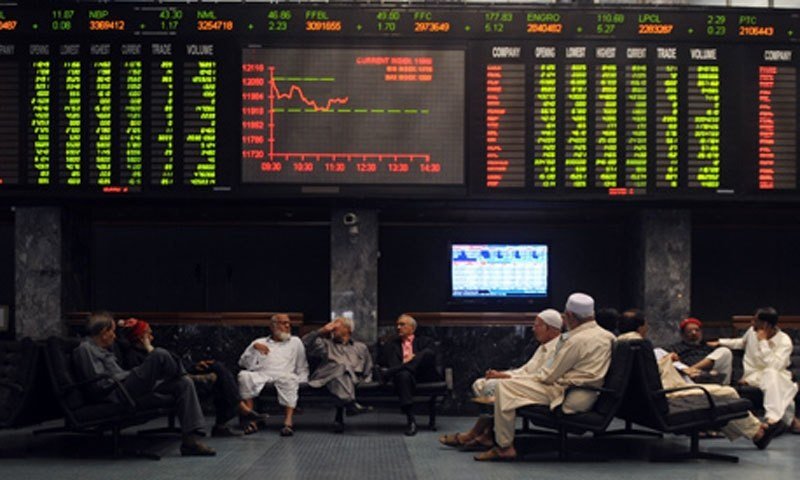
According to the official notification, the Pakistan Stock Exchange has adjusted trading hours to provide convenience for market participants during Ramadan. The revised schedule applies to all equity markets and related trading activities.
Revised Trading Hours (Ramadan 2026)
- Pre-Open Session: 9:17 AM – 9:30 AM
- Regular Trading Session: 9:30 AM – 1:30 PM
- Post-Closing Session: 1:30 PM – 1:35 PM
These timings may vary slightly depending on specific market segments, but the general framework will remain the same throughout Ramadan.
The exchange also clarified that normal trading hours will resume after the conclusion of Ramadan.
| Regular Market | ||
| Pre-Open | 09:00 to 09:15 | 09:00 to 09:15 |
| Order Matching & Confirmation Period | 09:15 to 09:17 | 09:15 to 09:17 |
| Market Open | 09:17 | 09:17 |
| Market Close | 13:30 | 12:30 |
| Post-Close Session | 13:35 to 13:50 | 12:35 to 12:50 |
| Trade Rectification / Modification | 13:50 to 14:20 | 12:50 to 13:20 |
| Odd Lots Market | 09:15 to 13:30 | 09:15 to 12:30 |
Negotiated Deals Market (NDM)
| Market State | Monday to Thursday | Friday |
|---|---|---|
| Open | 09:15 to 14:20 | 09:15 to 13:20 |
| Open: for T+0 Settlement | 09:15 to 12:30 | 09:15 to 12:30 |
Square-Up Market
| Market State | Monday to Thursday | Friday |
|---|---|---|
| Pre-Open | 13:00 to 13:30 | 12:00 to 12:30 |
| Open-Close | 13:30 | 12:30 |
Bills & Bonds Market (BnB)
| Market State | Monday to Thursday | Friday |
|---|---|---|
| Open: for Corp. Debt Sec. | 09:15 to 13:00 | 09:15 to 12:00 |
| Open: for Govt. Debt Sec. | 09:15 to 13:00 | 09:15 to 12:00 |
| Open: GoP Ijarah Sukuk (GIS) | 09:15 to 13:00 | 09:15 to 12:00 |
Additional Timings
| Category | Monday to Thursday | Friday |
|---|---|---|
| PUCARS Timing | 08:00 to 13:30 | 08:00 to 12:30 |
| PSX Office Timing | 09:00 to 15:00 | 09:00 to 14:00 |
Why PSX Changes Timings During Ramadan
The adjustment in trading hours reflects the cultural and religious practices observed across Pakistan during Ramadan. The stock exchange revises its operational schedule annually to ensure ease for market stakeholders.
Key Reasons Behind the Change
- Facilitating fasting employees and traders observing Ramadan.
- Reducing working hours in line with government and corporate policies.
- Maintaining market efficiency while ensuring investor participation.
- Aligning with business practices followed by financial institutions nationwide.
Shorter working hours help maintain productivity and allow professionals to manage religious obligations such as prayers and iftar preparations.
Impact on Investors and Market Activity
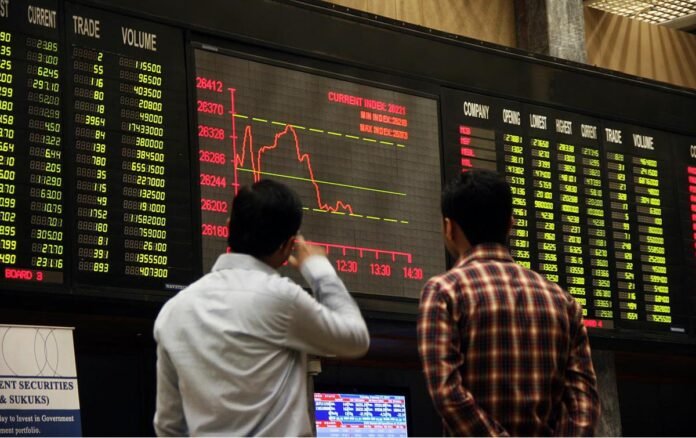
The revised PSX Ramadan 2026 Timing are expected to influence trading patterns, liquidity levels, and investor participation. Historically, Ramadan trading sessions tend to show moderate activity compared to regular months.
Possible Market Effects
- Lower trading volumes: Reduced hours may limit trading opportunities.
- Stable market performance: Investors often adopt cautious strategies.
- Early session activity: Most trades typically occur in the first few hours.
- Institutional adjustments: Brokerage firms modify operational schedules.
Despite shorter hours, analysts note that market efficiency remains largely unaffected due to advance planning by financial institutions.
PSX’s Role in Pakistan’s Financial Market
The Pakistan Stock Exchange serves as the country’s primary equity trading platform and plays a crucial role in economic development. It provides companies access to capital while offering investors opportunities to participate in corporate growth.
The exchange facilitates:
- Equity trading
- Debt securities trading
- Capital formation
- Investment opportunities
- Market transparency and regulation
Any change in PSX operations directly impacts investors, businesses, and the broader financial sector.
Ramadan and Pakistan’s Business Environment
Ramadan significantly influences economic activity across Pakistan. Government offices, banks, and corporate organizations operate on revised schedules during the holy month.
Common Ramadan Business Adjustments
- Shortened office hours
- Modified banking schedules
- Changes in public sector timings
- Adjusted financial market operations
The PSX’s revised timetable aligns with these broader national adjustments, ensuring coordination across the financial system.
Guidelines for Traders and Brokerage Firms
Market participants are encouraged to prepare for the revised schedule in advance. Brokerage houses typically inform clients about trading changes through official notifications and digital platforms.
Recommended Steps for Investors
- Monitor updated trading hours regularly.
- Plan transactions earlier in the day.
- Coordinate with brokerage services for order execution.
- Stay informed through official PSX announcements.
Following these steps helps investors avoid delays and maintain effective trading strategies.
Comparison With Previous Ramadan Timings
The PSX has consistently implemented similar trading adjustments during previous Ramadan periods. While minor variations may occur each year, the objective remains the same—balancing market efficiency with religious observance.
In recent years, trading sessions have generally started in the morning and concluded early afternoon, allowing participants sufficient time for religious practices.
Economic Significance of Ramadan Trading
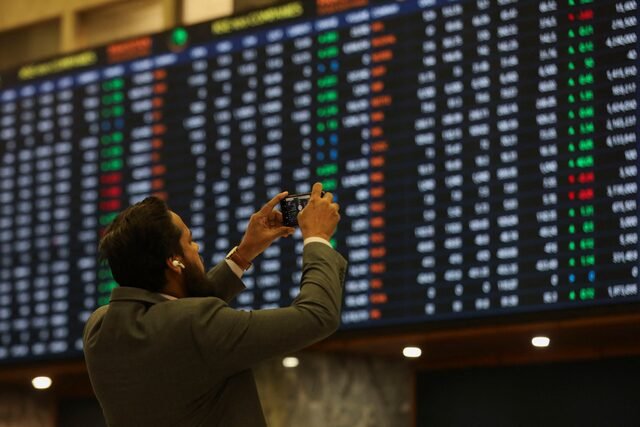
Although trading hours are reduced, Ramadan remains an important period for financial markets. Investor sentiment, global economic factors, and domestic policies continue to shape market performance.
Experts highlight that:
- Market stability often increases during Ramadan.
- Volatility may decline due to cautious trading behavior.
- Long-term investment strategies typically remain unaffected.
Therefore, while operational hours change, the overall functioning of the market remains stable.
Official Announcement and Market Communication
The Pakistan Stock Exchange issued the revised schedule through an official circular, ensuring transparency and timely communication. The exchange regularly updates stakeholders regarding operational changes, regulatory measures, and market developments.
Investors are advised to refer to the official PSX website or brokerage platforms for detailed updates and notifications.
Market Expectations During Ramadan 2026
Financial analysts expect steady market performance during Ramadan 2026 despite reduced trading hours. Investor confidence, corporate earnings announcements, and macroeconomic indicators will continue to influence market trends.
Some key expectations include:
- Gradual trading activity throughout Ramadan
- Stable investor sentiment
- Continued participation from institutional investors
- Moderate market fluctuations
These factors suggest that the revised PSX Ramadan 2026 Timing will not significantly disrupt overall market operations.
The announcement of PSX Ramadan 2026 Timing reflects the Pakistan Stock Exchange’s commitment to accommodating religious practices while maintaining efficient market operations. The revised trading schedule ensures convenience for investors, brokers, and employees observing Ramadan, while preserving market stability.
Market participants are encouraged to follow the updated timetable, plan transactions accordingly, and stay informed through official announcements. As Ramadan 2026 approaches, the stock exchange’s proactive measures highlight the balance between financial activity and cultural traditions in Pakistan’s economic landscape.
For investors and stakeholders, understanding these changes will help ensure smooth trading and informed decision-making throughout the holy month.