Petrol and Diesel Prices to Increase in Pakistan are likely to rise this week, with revised rates expected to take effect from 1st March 2026 if approved by the federal government. According to market estimates shared by Arif Habib Limited, the proposed increase could go as high as Rs. 6.8 per litre.
The adjustment is being driven by rising international oil prices and higher import costs, potentially adding further pressure on consumers already facing inflation.
The final decision will be announced by the Ministry of Finance after reviewing recommendations from the Oil and Gas Regulatory Authority (OGRA).
Expected Petrol and Diesel Prices from 1st March 2026
Based on projections:
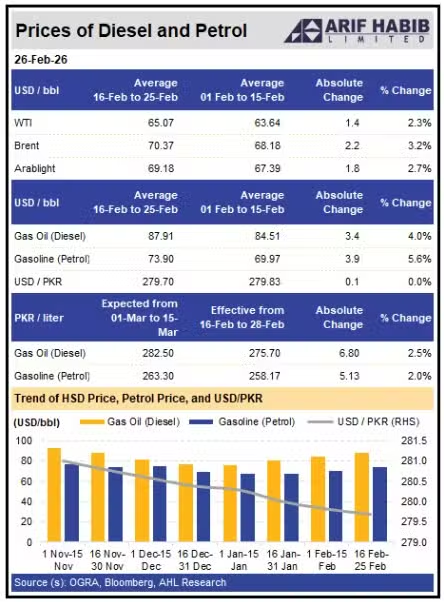
- Motor Spirit (MS) petrol is expected to increase by Rs. 5.13 per litre, taking the price to Rs. 263.30 per litre.
- High-Speed Diesel (HSD) may rise by Rs. 6.8 per litre, reaching Rs. 282.50 per litre.
If approved, these new rates will come into effect from 1st March 2026 for the next fortnight.
This would mark another upward revision in fuel prices, continuing the trend of periodic increases linked to global oil market movements.
Comparison With Previous Fortnight’s Prices
In the previous review, the federal government had already increased fuel rates. The prices were set at:
- Petrol: Rs. 258.17 per litre
- High-Speed Diesel: Rs. 275.7 per litre
With the expected adjustment, petrol would cross Rs. 263 per litre, while diesel could approach Rs. 283 per litre — a noticeable jump within a short period.
Such back-to-back increases often amplify public concern about rising transportation and commodity costs.
Why Are Petroleum Prices Increasing?
The primary reason behind the anticipated hike is a rise in international crude oil prices.
Surge in Arab Light Crude
Market data shows that Arab Light crude has increased by approximately 2.7 percent during the review period. A slight increase in product spreads has also contributed to the projected hike in domestic petroleum prices.
Since Pakistan imports a significant portion of its petroleum requirements, fluctuations in global oil benchmarks directly impact local pricing.
Other Contributing Factors
Apart from international rates, several additional elements influence petroleum pricing:
- Exchange rate fluctuations
- Freight and premium charges
- Inland freight equalization margin
- Petroleum levy and other taxes
All these components are factored into OGRA’s pricing formula before recommendations are sent to the government.
How the Pricing Mechanism Works
Fuel prices in Pakistan are reviewed every 15 days. OGRA calculates proposed rates based on:
- Average international product prices
- Exchange rate parity
- Government taxes and petroleum levy
- Dealer and oil marketing company margins
After assessment, the summary is forwarded to the Ministry of Finance for approval. The government may choose to pass on the full impact to consumers or adjust levies to provide partial relief.
Impact on Consumers and Businesses
An increase in Petrol and Diesel Prices affects almost every sector of the economy.
Transportation Costs
Higher diesel prices directly impact public transport, freight services, and logistics companies. Fare revisions often follow within days of a fuel hike.
Food and Essential Commodities
When transportation costs increase, the prices of vegetables, fruits, and other daily essentials tend to rise. Retailers adjust rates to compensate for higher supply chain expenses.
Agriculture Sector
Diesel is widely used in tractors and irrigation systems. Rising HSD prices increase farming costs, potentially influencing crop prices in upcoming seasons.
Market Reaction and Public Concerns
The expected increase has triggered debate among consumers and business owners. Many households are already adjusting budgets due to rising electricity tariffs and food prices.
Small traders and transporters argue that frequent hikes make it difficult to maintain stable pricing for goods and services. On social media, citizens have expressed concern about the cumulative impact of rising fuel and utility costs.
Could the Government Offer Relief?
While the projected increase is based on international oil trends, the government retains the authority to adjust petroleum levy or taxes to cushion the impact.
However, fiscal constraints and revenue targets limit the room for major relief. Petroleum levy remains a key revenue source for the federal government, particularly under ongoing economic stabilization efforts.
Any reduction in levy would directly affect revenue collection targets.
Broader Economic Implications
Repeated Petrol and Diesel Prices increases contribute to inflationary pressure. Economists warn that higher energy costs can slow economic recovery by raising production expenses for industries.
Moreover, diesel price hikes often have a stronger inflationary impact than petrol, as diesel powers transport trucks and agricultural machinery.
If global oil prices continue to rise, further adjustments in coming months cannot be ruled out.
What to Expect Next
The official announcement regarding Petrol and Diesel Prices Likely to Increase on 1st March 2026 is expected before midnight on February 29, 2026. Once notified, the revised rates will remain in place for the first half of March.
Consumers, transport operators, and businesses are closely monitoring the government’s decision. Any last-minute change in global oil prices or exchange rate movements could slightly alter the final figures.
Practical Steps for Consumers
While fuel prices are beyond individual control, consumers can take measures to manage expenses:
- Opt for carpooling or public transport
- Maintain proper tyre pressure for better mileage
- Avoid unnecessary travel
- Plan deliveries and trips efficiently
Small adjustments can help offset the financial burden caused by rising fuel costs.
Outlook!
The likelihood that Petrol and Diesel Prices to Increase on 1st March 2026 has once again placed fuel pricing at the center of public discussion. With petrol expected to rise by Rs. 5.13 per litre and diesel by Rs. 6.8 per litre, the move reflects growing international oil prices and market adjustments.
As the government prepares to announce final rates, consumers brace for another increase that could ripple through transportation, agriculture, and retail sectors. The coming days will determine whether authorities pass on the full impact or offer limited relief.
Stay tuned for the official notification and share your thoughts on how rising fuel prices are affecting your daily life.