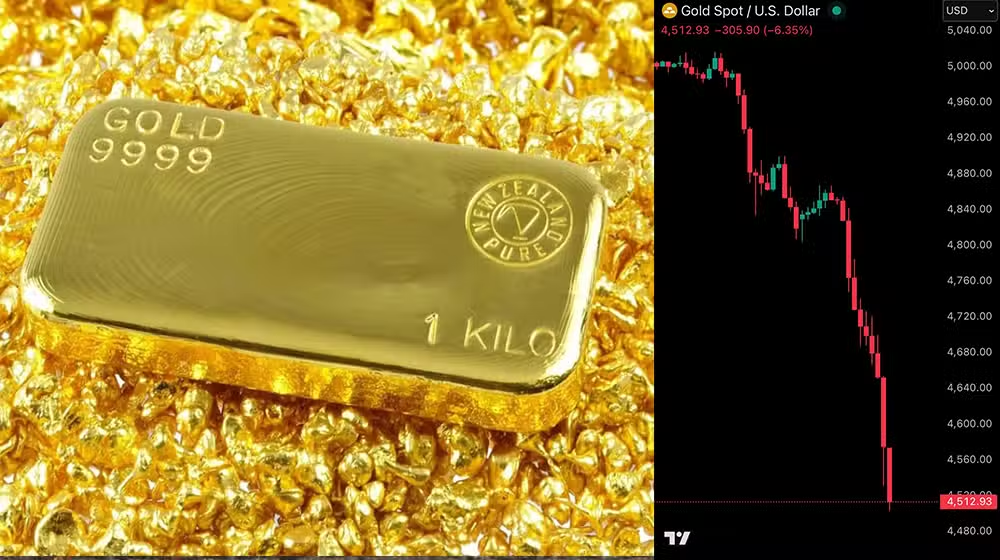
The global commodities market witnessed a dramatic shake-up today as gold prices plunged sharply, extending their losses by nearly $400 per ounce within hours. According to the latest data from TradingView, bullion dropped to around $4,500 per ounce—its lowest level since February 2. This marks a staggering decline of almost $1,000 from its all-time high of $5,589.38 recorded on January 28, 2026.
The sudden Gold Price Crash has triggered widespread concern among investors, analysts, and policymakers. The sharp fall is being observed across major global markets, including New York, London, and Asian trading sessions, reflecting a synchronized sell-off driven by macroeconomic pressures.
Silver Joins the Downtrend Amid Market Volatility
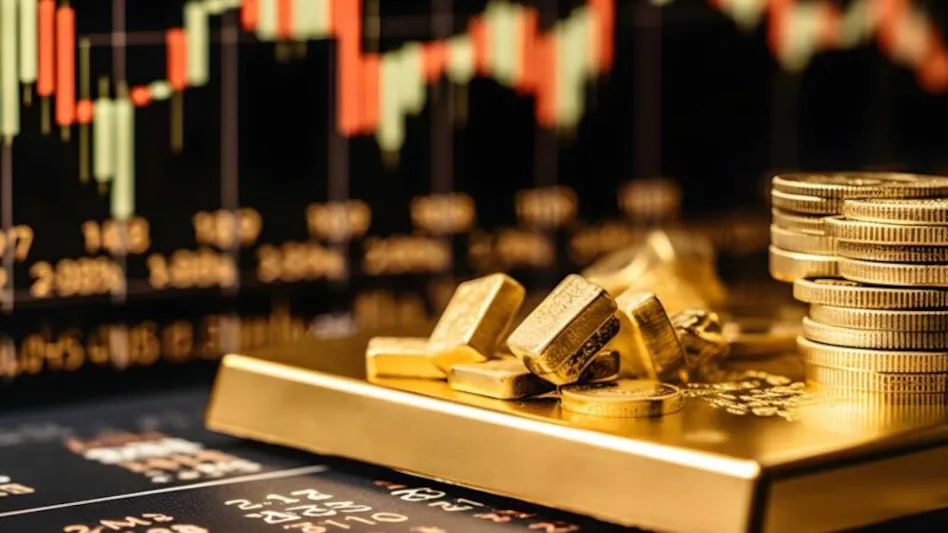
The decline is not limited to gold alone. Silver prices have also taken a significant hit, dropping to as low as $72 per ounce.
This parallel movement highlights a broader weakness in precious metals, which are typically seen as safe-haven assets during uncertain economic times. The current downturn suggests that investors are shifting strategies in response to changing economic signals.
What’s Driving the Gold Price Crash?
The Gold Price Crash is being fueled by a combination of global economic factors that are reshaping investor expectations.
Oil-Driven Inflation Alters Market Dynamics
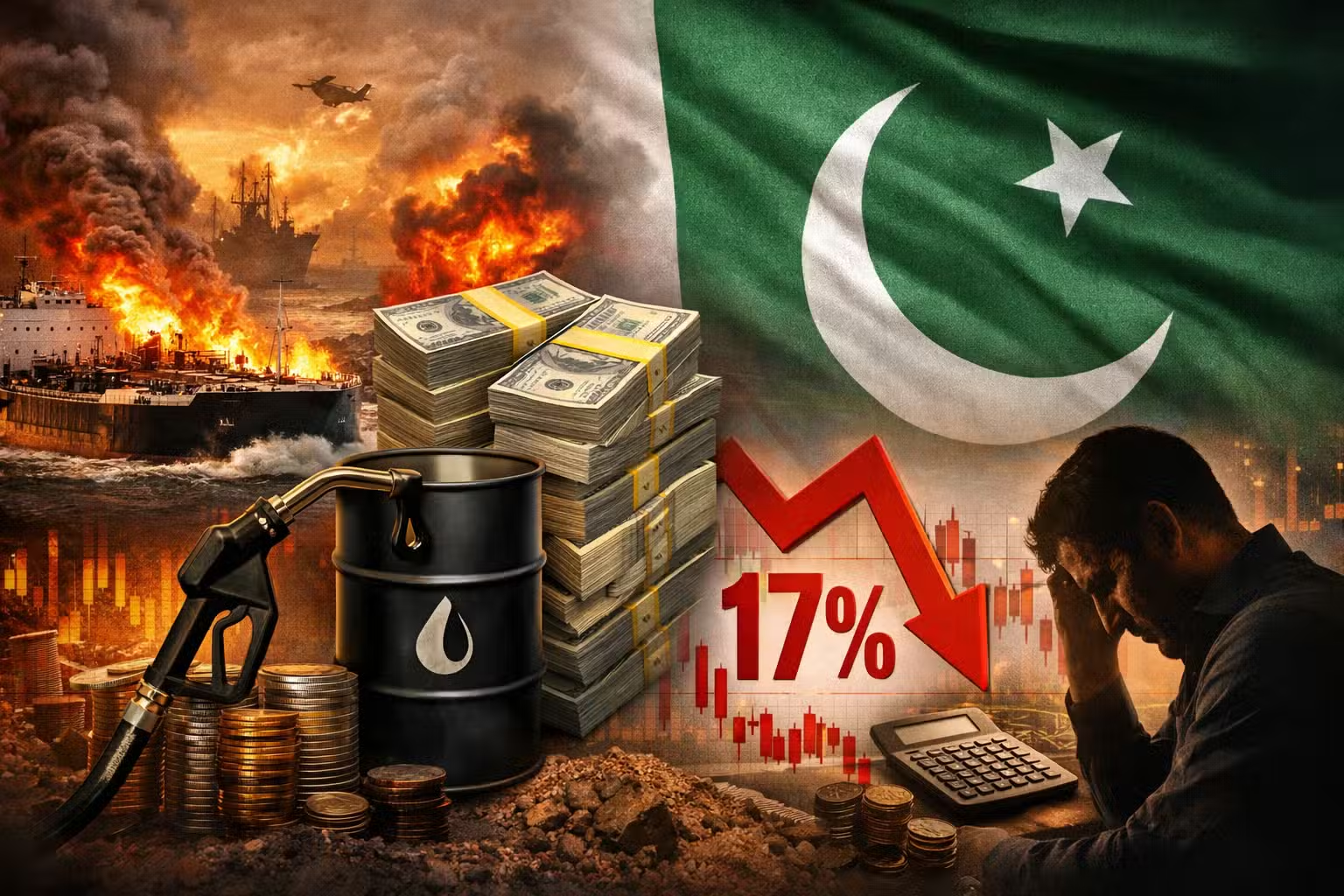
One of the primary triggers behind the latest decline is an oil-driven inflation shock. Rising oil prices are pushing overall inflation higher, but not in a way that benefits gold.
Unlike demand-driven inflation, which often supports economic growth, the current inflation is largely cost-driven. This means production and transportation costs are increasing, putting pressure on businesses and slowing economic momentum.
Rising Real Yields Weigh on Gold
As inflation rises, expectations for immediate interest rate cuts are being scaled back. Central banks are now more cautious about easing monetary policy.
This has led to an increase in real yields—one of the biggest negative factors for gold. Since gold does not generate interest, higher real yields make other assets like bonds more attractive, reducing demand for bullion.
Market Sentiment: Traders React to the Crash
The rapid decline in prices has sparked intense discussions among traders and analysts, particularly on platforms like X.
Key Insights from Market Participants:
- Many traders believe the current inflation trend is cost-driven rather than demand-driven
- This type of inflation can slow economic growth beneath the surface
- Despite rising prices, underlying economic weakness may persist
- Investors are becoming increasingly cautious about risk exposure
These insights suggest that while inflation remains high, it may not translate into sustained support for gold prices.
Could Gold Recover After This Crash?
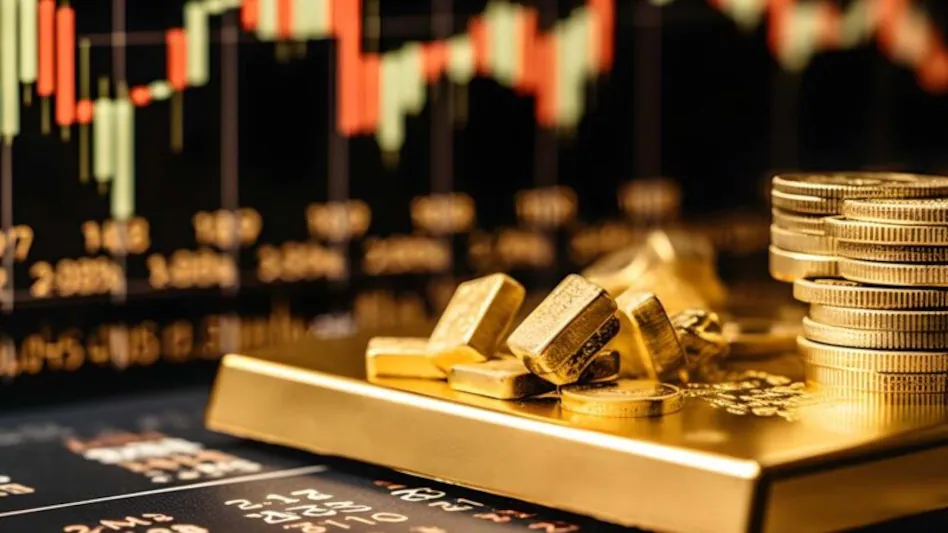
Despite the current downturn, some analysts remain cautiously optimistic about gold’s future.
Possibility of Policy Shift
Experts suggest that once external shocks—such as elevated oil prices—begin to ease, the economic landscape could change again.
If inflation pressures stabilize, central banks may revisit the possibility of interest rate cuts. This could reduce real yields and restore gold’s appeal as a safe-haven asset.
Rebound Scenarios
A potential recovery in gold prices could be driven by:
- Cooling oil prices
- Renewed expectations of monetary easing
- Increased geopolitical tensions
- Weakening US dollar
However, any recovery is likely to depend on how quickly macroeconomic conditions stabilize.
Impact on Global Financial Markets
The Gold Price Crash is having ripple effects across multiple sectors of the global economy.
Investors Shift to Alternative Assets
As gold loses momentum, investors are redirecting funds toward:
- Government bonds
- US dollar assets
- Equity markets in stable economies
This shift reflects a broader change in risk perception and investment strategy.
Pressure on Gold-Dependent Economies
Countries that rely heavily on gold exports or imports are feeling the impact. While lower prices may benefit import-heavy nations in the short term, volatility creates uncertainty for long-term planning.
Historical Perspective: Is This a Familiar Pattern?
Sharp corrections in gold prices are not unprecedented. Historically, gold has experienced similar declines following strong rallies.
For instance:
- After the 2011 peak, gold entered a prolonged correction phase
- During the COVID-19 era, prices surged rapidly before stabilizing
These cycles indicate that volatility is an inherent feature of the gold market, often driven by macroeconomic shifts.
What Should Investors Do Now?
The current Gold Price Crash serves as a critical moment for investors to reassess their strategies.
Smart Moves in Volatile Markets:
- Avoid panic selling during sharp declines
- Focus on long-term investment goals
- Diversify portfolios to reduce risk
- Monitor economic indicators closely
Financial experts emphasize that emotional decisions during market downturns often lead to greater losses.
Broader Economic Signals to Watch
Moving forward, several key indicators will determine the direction of gold prices:
1. Interest Rate Policies
Central bank decisions will play a crucial role in shaping market sentiment.
2. Inflation Trends
Whether inflation remains high or begins to ease will impact gold demand.
3. Oil Price Movements
Stabilization in oil markets could reduce inflationary pressure.
4. Global Economic Growth
Slower growth may eventually push investors back toward safe-haven assets.
Outlook: A Defining Moment for Gold Markets
The dramatic fall in gold prices—nearly $1,000 from its record high—marks a significant turning point in global financial markets. The latest drop to $4,500 per ounce, combined with a $400 intraday decline, underscores the intensity of the ongoing sell-off.
While the Gold Price Crash has triggered panic and uncertainty, it also reflects deeper structural changes in the global economy. From oil-driven inflation to rising real yields, multiple forces are reshaping the outlook for precious metals.
At the same time, the situation remains fluid. If external pressures ease and monetary policy shifts, gold could regain its footing in the months ahead.
For now, investors are advised to stay informed, remain cautious, and avoid reactionary decisions in an increasingly volatile market.