
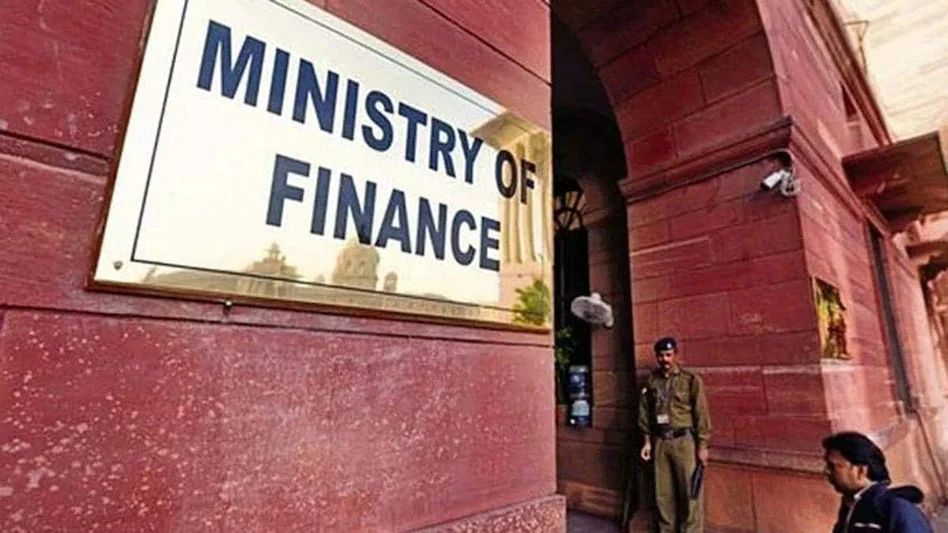
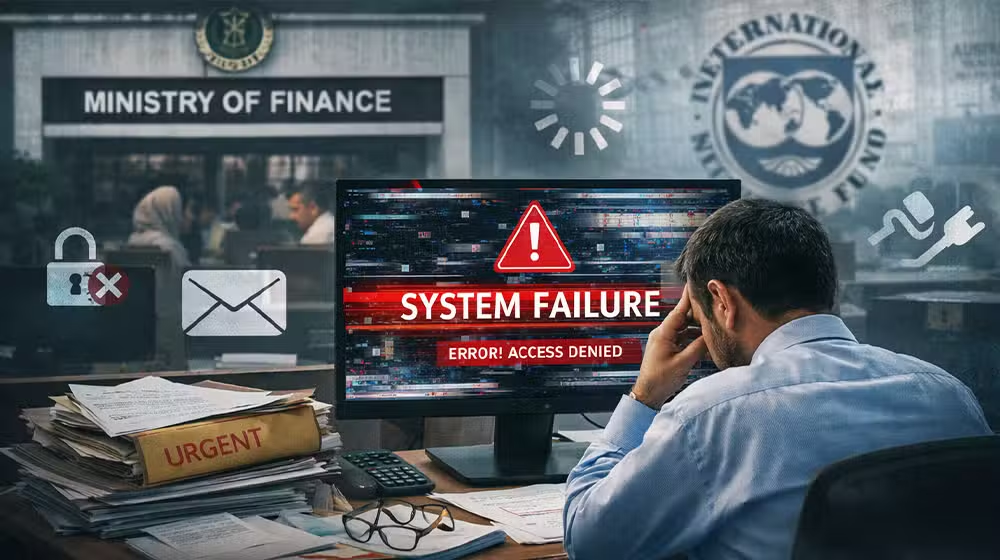
An E-Office Outage Finance Ministry of Finance has disrupted official operations just days before a key economic review by the International Monetary Fund (IMF). The technical failure, reported earlier this week in Pakistan, affected digital documentation, file processing, and internal communication systems within the ministry.
Officials confirmed that the breakdown slowed administrative work related to financial reporting and policy coordination. The outage comes at a crucial time as Pakistan prepares to present progress on economic reforms, fiscal discipline, and governance measures to international lenders.
The disruption has raised concerns about digital infrastructure reliability, transparency in public administration, and the potential impact on Pakistan’s ongoing financial negotiations.
What Is the E-Office System and Why It Matters
Digital Governance Backbone
The government’s E-Office system serves as a digital platform for handling official correspondence, approvals, and documentation. It is designed to replace manual paperwork, improve efficiency, and enhance transparency in decision-making processes.
Key functions of the system include:
- Electronic file movement and approvals
- Digital record management
- Inter-department communication
- Policy documentation and tracking
- Administrative workflow management
For a ministry responsible for managing national finances, the platform is considered a critical operational tool. Any disruption can delay decision-making and affect coordination with other departments.
Impact on Financial Administration
The outage reportedly halted routine processing of financial summaries, policy drafts, and internal approvals. Officials and staff experienced delays in accessing files and updating records, creating a backlog of pending work.
Experts say such interruptions can create administrative bottlenecks, especially when the government is preparing data and reports for international financial institutions.
Timing Raises Concerns Ahead of IMF Review
Economic Reform Assessment at Stake
The timing of the outage has drawn particular attention because it occurred shortly before Pakistan’s scheduled IMF review. The evaluation is expected to assess:
- Fiscal reforms and budget management
- Revenue collection performance
- Public sector governance improvements
- Structural economic adjustments
- Transparency measures in government operations
The IMF review plays a significant role in determining future financial assistance and economic support. Smooth coordination and accurate documentation are essential for presenting progress on reforms.
Pressure on Economic Managers
Economic analysts note that any administrative disruption at this stage could increase pressure on policymakers. Although the outage is technical in nature, it may complicate preparations and coordination among departments responsible for presenting economic data.
Government officials, however, have assured that contingency measures are in place and that critical tasks continue through alternative channels.
Possible Causes Behind the Technical Failure

System Overload or Technical Glitch
Authorities have not publicly disclosed the exact cause of the E-Office Outage Finance Ministry. However, initial reports suggest possible reasons such as:
- Server malfunction or overload
- Software or network configuration errors
- Infrastructure maintenance issues
- Cybersecurity concerns (not confirmed)
- Increased system usage volume
Technical teams are currently working to restore full functionality and identify the root cause.
Cybersecurity Concerns Remain Unclear
While officials have not confirmed any cyberattack, digital governance experts emphasize the need for strong cybersecurity protocols in government systems. Sensitive financial data and policy records require secure and resilient infrastructure.
Any vulnerability in critical government platforms could pose risks to data protection and administrative continuity.
Digital Governance Challenges in Pakistan
Reliance on Technology Increasing
Pakistan has been gradually expanding digital governance initiatives to modernize public administration. E-Office systems were introduced to reduce bureaucracy, improve efficiency, and ensure transparency in official processes.
However, experts say the recent outage highlights ongoing challenges in digital transformation, including:
- Infrastructure limitations
- System reliability issues
- Need for technical upgrades
- Limited backup mechanisms
- Capacity building for IT teams
The incident underscores the importance of investing in resilient digital infrastructure, particularly for key government institutions.
Past Technical Disruptions
This is not the first time government systems have experienced technical disruptions. Previous incidents involving digital platforms in various departments have revealed gaps in maintenance and technical support.
Analysts argue that strengthening system reliability is essential to maintain public trust and ensure uninterrupted governance.
Economic Implications of the Disruption
Short-Term Administrative Delays
The immediate impact of the outage appears to be administrative rather than financial. However, delays in documentation and approvals can slow policy implementation and reporting processes.
Key short-term effects may include:
- Delayed financial reporting
- Slower policy approvals
- Administrative backlog
- Increased workload after system restoration
Officials say they are working to minimize these effects and resume normal operations quickly.
Investor and Market Confidence
Economic stability and governance transparency are important factors for international investors and lenders. Technical disruptions in financial administration may raise concerns about institutional capacity.
However, analysts emphasize that the overall impact depends on how quickly the issue is resolved and whether structural improvements follow.
Government Response and Recovery Efforts
Technical Teams Working on Restoration
Authorities have deployed technical teams to restore system functionality and prevent future disruptions. Officials report that recovery efforts include:
- Diagnosing system failures
- Restoring data access
- Enhancing server capacity
- Implementing backup protocols
- Reviewing system security measures
The government has assured stakeholders that essential operations continue through alternative administrative channels.
Commitment to Transparency
Officials have emphasized that the outage does not affect Pakistan’s commitment to economic reforms or its engagement with international financial partners. Authorities maintain that preparations for the IMF review remain on track despite temporary disruptions.
Experts Call for Stronger Digital Infrastructure
Need for System Resilience
Technology and governance specialists stress that digital systems handling critical national functions must be resilient and secure. They recommend:
- Advanced cybersecurity frameworks
- Redundant backup systems
- Regular system audits
- Infrastructure upgrades
- Improved IT workforce training
Such measures can help prevent similar disruptions and ensure continuity of government operations.
Balancing Efficiency and Security
While digital platforms improve efficiency, experts warn that governments must balance convenience with security and reliability. Strong infrastructure planning is necessary to support long-term digital transformation goals.
IMF Review and Pakistan’s Economic Outlook

Key Focus Areas of the Review
The upcoming IMF review is expected to examine Pakistan’s progress in stabilizing its economy and implementing structural reforms. Key areas include:
- Fiscal deficit management
- Inflation control measures
- Energy sector reforms
- Revenue generation
- Public sector governance
The review outcome could influence future financial support and economic policy direction.
Importance of Institutional Efficiency
Efficient government institutions play a crucial role in demonstrating reform progress. Administrative disruptions, even temporary ones, highlight the importance of strong governance systems in economic management.
Final Thoughts on the Finance Ministry Crisis
The E-Office Outage Finance Ministry incident has exposed vulnerabilities in Pakistan’s digital governance infrastructure at a critical economic moment. While authorities insist that preparations for the IMF review remain unaffected, the disruption highlights the importance of reliable technology in managing national financial affairs.
The episode serves as a reminder that digital transformation requires continuous investment in infrastructure, security, and system resilience. As Pakistan moves forward with economic reforms and international financial engagement, strengthening institutional capacity will remain essential.
The coming days will determine how quickly the system is fully restored and whether the incident leads to lasting improvements in digital governance. Observers, policymakers, and international partners alike will be closely watching the government’s response and its impact on economic credibility.