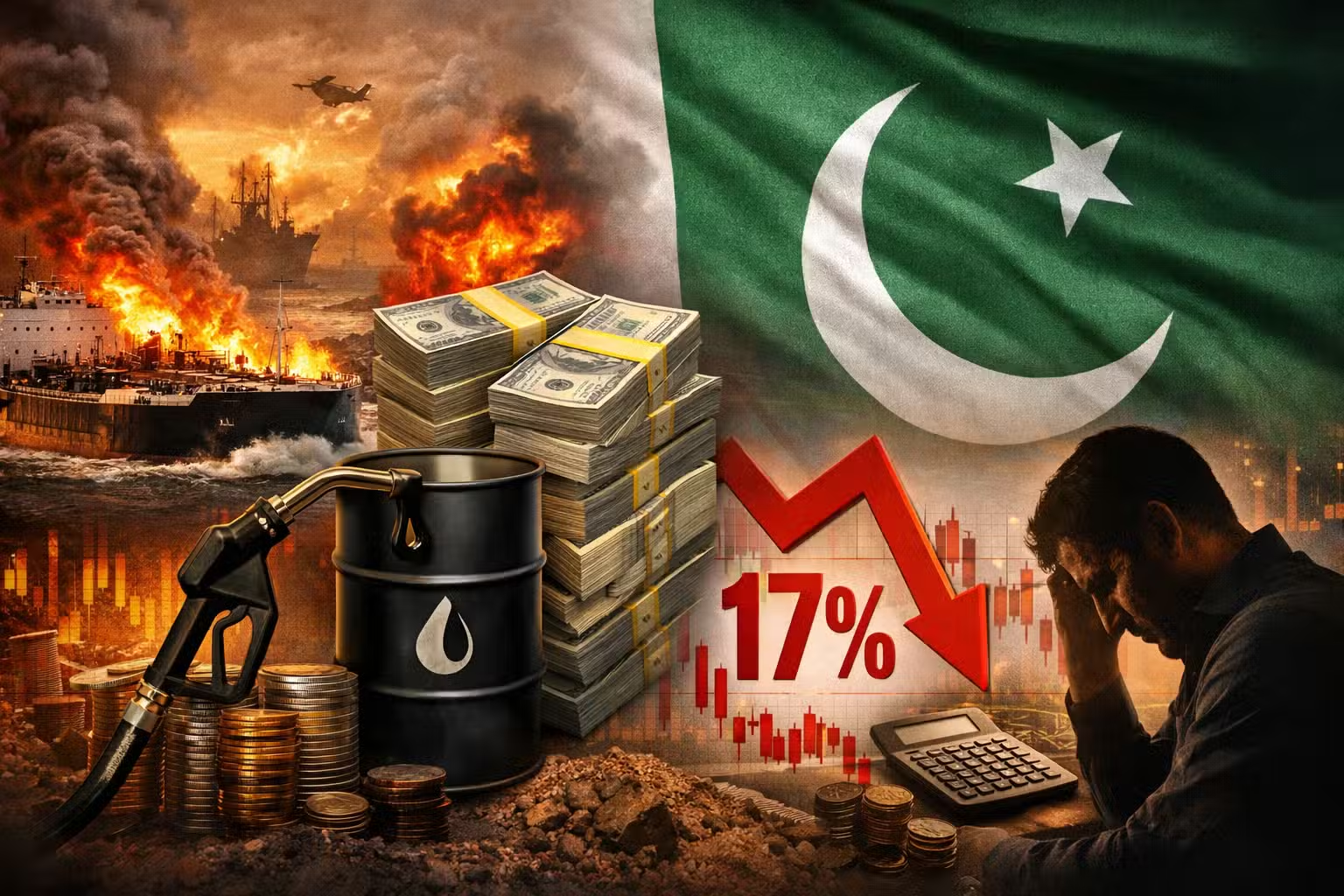
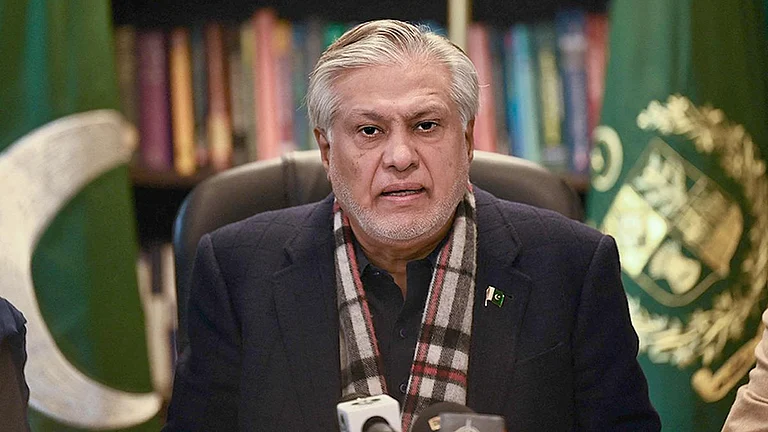
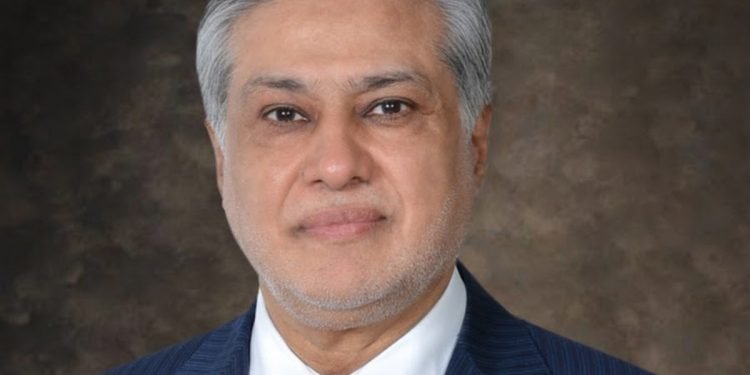
The $2 Billion Rollover from UAE has been extended for a longer duration, Deputy Prime Minister and Finance Minister Ishaq Dar confirmed on Tuesday, providing much-needed relief to the country’s strained foreign exchange reserves.
The $2 billion deposit, previously nearing maturity, will now remain with Pakistan under revised terms agreed with the United Arab Emirates. The decision comes at a crucial time as Islamabad works to stabilize its economy, meet external financing commitments, and strengthen its position under ongoing reform efforts.
Strong Financial Support from the UAE
Speaking to the media on Tuesday, Ishaq Dar confirmed that the UAE loan rollover to Pakistan would not only continue but would be extended for a longer tenure than previous arrangements. The confirmation comes amid Pakistan’s ongoing efforts to stabilize its economy, meet external debt obligations, and restore investor confidence.
The loan, originally deposited with the State Bank of Pakistan, was due for repayment but will now be retained under revised terms. This development is being viewed as a vote of confidence by the UAE in Pakistan’s reform trajectory and fiscal discipline.
What the Loan Rollover Means for Pakistan
The rollover of the $2 billion facility has several immediate and long-term implications for Pakistan’s economy. At a time when foreign exchange reserves remain under pressure, the extension offers breathing space to policymakers.
Key benefits include:
- Stabilization of foreign exchange reserves
- Reduced short-term repayment pressure
- Improved confidence among global lenders and investors
- Support for Pakistan’s balance of payments position
According to financial analysts, such rollovers play a critical role in helping Pakistan manage external shocks while implementing structural reforms.
Ishaq Dar’s Statement and Economic Context
Ishaq Dar emphasized that the agreement reflects strong diplomatic and economic ties between Pakistan and the United Arab Emirates. He noted that discussions with UAE authorities were constructive and focused on long-term cooperation rather than short-term relief.
“This time, the rollover is for a longer period, which will help us manage our external financing needs more effectively,” Dar said, without disclosing the exact duration of the extension.
Pakistan has been relying on support from friendly countries, including the UAE, Saudi Arabia, and China, to shore up reserves while continuing engagement with multilateral lenders.
Impact on Pakistan’s IMF Program
The UAE loan rollover to Pakistan is also significant in the context of Pakistan’s commitments under the International Monetary Fund (IMF) program. External financing assurances from bilateral partners are a key requirement for the continuation of IMF support.
Economists believe the rollover strengthens Pakistan’s case with the IMF by demonstrating that key allies remain willing to support the country’s reform agenda. This, in turn, could unlock additional funding tranches and encourage other lenders to step forward.
Why External Support Matters
Pakistan’s economy has faced multiple challenges in recent years, including:
- Rising external debt servicing costs
- Currency volatility
- High inflation impacting households
- Slower economic growth
In this environment, rollovers like the UAE’s $2 billion facility reduce immediate risks and give policymakers time to implement difficult but necessary reforms.
A History of UAE–Pakistan Financial Cooperation
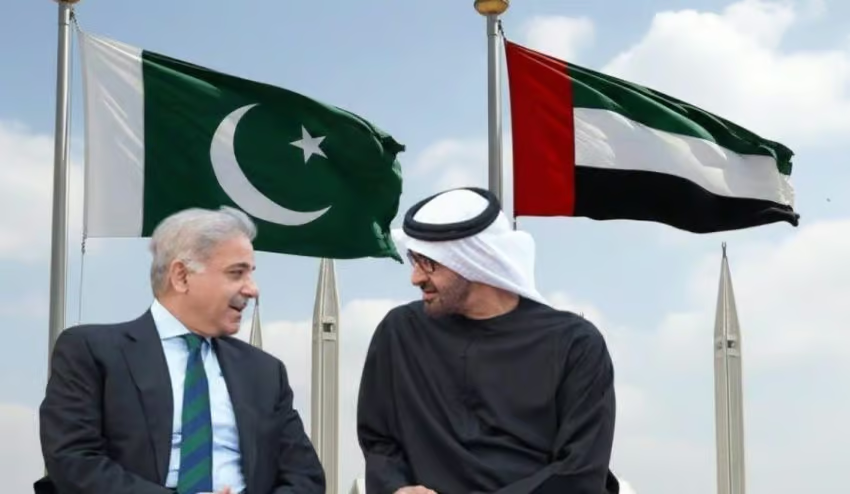
The UAE has been a long-standing economic partner of Pakistan, offering financial deposits, investment commitments, and development assistance during periods of stress. Past rollovers and deposits have often played a stabilizing role during balance-of-payments crises.
Beyond financial assistance, the UAE is also one of Pakistan’s largest sources of remittances, with millions of Pakistani expatriates working there and contributing billions of dollars annually to the economy.
This broader relationship adds depth to the significance of the current loan extension, which goes beyond a routine financial transaction.
Market Reaction and Investor Sentiment
Although markets tend to react cautiously to such announcements, the confirmation of a longer-term rollover has been received positively by analysts. It reduces uncertainty around near-term external payments and supports confidence in Pakistan’s economic management.
Currency traders and equity investors often look for signals of external support when assessing risk. The UAE loan rollover to Pakistan provides such a signal at a critical juncture.
Challenges Still Remain
Despite the positive development, experts caution that loan rollovers are not a permanent solution. Pakistan still needs to address structural issues, including:
- Broadening the tax base
- Reducing losses in state-owned enterprises
- Improving export competitiveness
- Managing energy sector inefficiencies
Ishaq Dar acknowledged these challenges, reiterating the government’s commitment to reforms aimed at ensuring sustainable growth rather than repeated reliance on external assistance.
What Comes Next?
Going forward, Pakistan is expected to continue diplomatic and financial engagement with friendly countries while working closely with multilateral institutions. Additional rollovers, new investment inflows, and improved export performance will be crucial in the coming months.
Policy observers suggest that consistent implementation of reforms, combined with continued external support, could gradually stabilize the economy and lay the groundwork for recovery.
A Timely Economic Lifeline
The confirmation that the UAE loan rollover to Pakistan will be extended for a longer period is a timely lifeline for the country’s economy. While it does not eliminate underlying challenges, it provides critical short-term stability and reinforces confidence among international partners.
As Pakistan navigates a complex economic landscape, such support—paired with credible reforms—could help steer the country toward a more stable and sustainable financial future. Readers are encouraged to follow ongoing developments as the government works to translate this relief into long-term economic gains.