
The United States is rolling out one of its biggest immigration policy shifts in years, right in the middle of an already stressful application season. Anyone hoping to secure permanent residency needs to understand what is changing, because the timing of your paperwork could genuinely decide the outcome of your case.
Three separate updates are landing almost back to back this month. And together they are reshaping how green card applications get reviewed.
The Big One: New Public Charge Rules
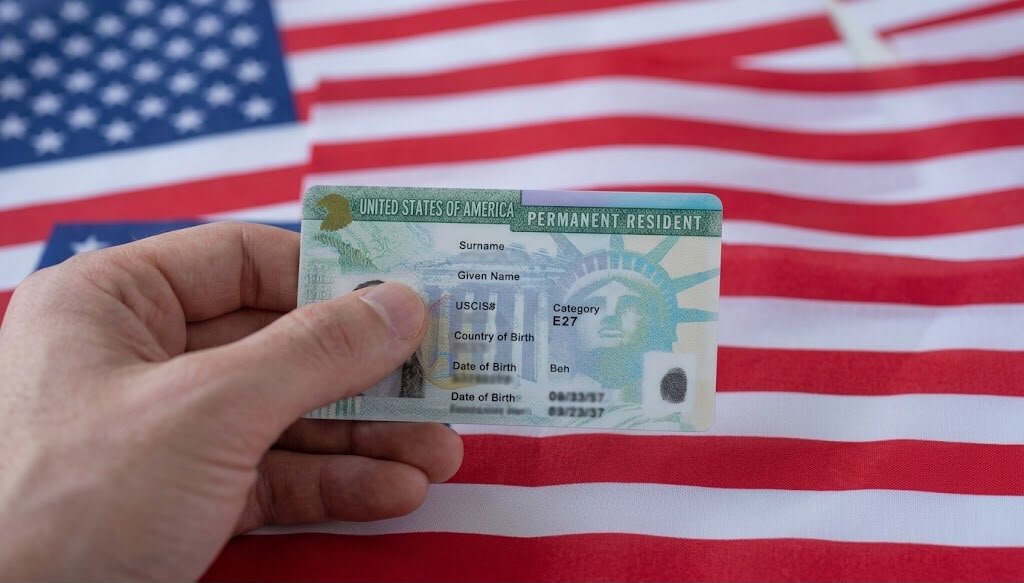
Starting September 18, 2026, United States Citizenship and Immigration Services USCIS will apply a much broader “public charge” test when reviewing certain green card applications. This is not a brand-new concept. The public charge rule has existed for decades, checking whether an applicant is likely to depend heavily on government support after receiving residency.
What is actually changing is which benefits count against you, and how much usage triggers concern. The Department of Homeland Security officially rescinded the more limited 2022 version of this rule, restoring wider discretion to immigration officers. Under the older framework, only things like long-term institutional care or direct cash assistance really mattered.
That is no longer the case. Officers can now weigh a much longer list of benefits, including food stamps, Medicaid, and housing vouchers, alongside factors like age, health, financial situation, and education. One legal resource explained the shift plainly through a simple example; a working parent receiving food stamps to help cover groceries used to be considered safe. Starting September 18, that same benefit usage “can now count against them,” even if their job remains their main source of income.
There is one detail worth remembering here, and it matters. This broader rule only applies to benefits received on or after September 18. Anything received before that date is still judged under the older, friendlier standard. Filing date matters enormously, and immigration attorneys are already urging clients to understand exactly when their case falls.
A Fresh Form and Tighter Visa Numbers
Paperwork itself is getting an update too. Alongside the new public charge rule, USCIS is releasing a revised version of Form I-485, the core application used for adjusting status inside the United States. Any submission postmarked on or after September 18 must use this newer edition. Older versions simply would not be accepted past that date.
Meanwhile, a completely separate pressure point is building around visa availability. September marks the final month of fiscal year 2026, and the State Department’s latest Visa Bulletin carries a blunt warning. Several employment-based categories, could face sudden restrictions if their annual visa limits get used up before the fiscal year closes on September 30.
That means final action dates in these categories could move backward without much notice, or become temporarily unavailable altogether. For applicants sitting close to their priority date, this creates real uncertainty during a nerve wracking waiting period.
Is This Good or Bad News for Applicants?
Reactions to these changes depend on who you ask. Immigration attorneys have been careful to avoid painting this purely as bad news, even while acknowledging the added complexity. One legal blog stressed something important for readers, noting that “receiving a public benefit does not automatically mean your green card will be denied.” Officers are required to weigh an applicant’s full circumstances, not a single factor in isolation.
Still, for lower income families relying on programs like food assistance or Medicaid, this shift genuinely raises the stakes. Families who previously felt confident about their eligibility now need to think more carefully about timing, documentation, and how their household’s benefit usage might be interpreted going forward.
On the other hand, supporters of the change argue it simply restores standards that existed for decades before 2022, arguing the previous rule was too narrow to reflect original immigration law. Whether that argument holds up depends largely on your perspective regarding how strict green card screening should really be.
Applicants who file before September 18 still get evaluated under the current, more predictable rule. That gives people already deep into the paperwork process a genuine incentive to finalize their filings quickly, rather than waiting and risking a tougher review down the line.
For now, immigration lawyers across the country are asked a lot of questions from worried clients. Between the public charge overhaul, a new required form, and shrinking visa availability in certain employment categories, September 2026 is shaping up to be one of the most consequential months for green card applicants in recent memory. Anyone with a pending or upcoming application would be wise to check exactly where their case stands before the month runs out.