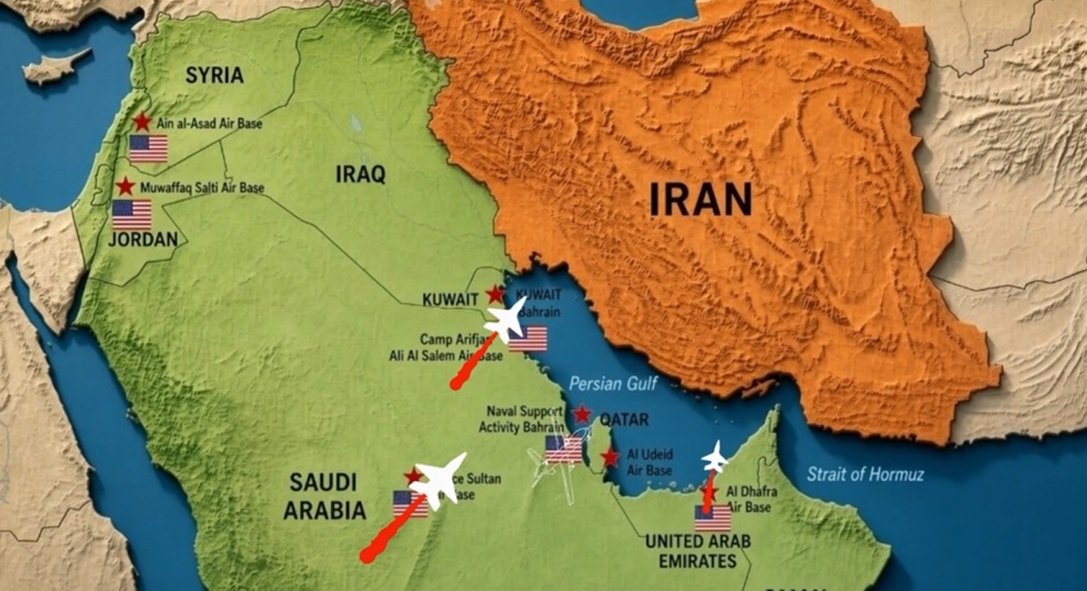

US Iran War Flares Up After Weeks of Calm as both sides abruptly begin the fire. For almost a month, the guns had gone quiet. The US and Iran seemed stuck in a tense standoff. That changed over the weekend. Fresh strikes, missiles, and drone attacks have brought the region back to the edge. Oil tankers were hit and the missiles flew towards American allies, leaders on both sides are once again trading warnings.
How the US Iran War Started
It began on Sunday when the US forces struck Iran’s Larak Island, a small island inside the Strait of Hormuz. American Central Command said the target was rocket launchers and sea mines. Officials claimed Iranian forces were getting ready to use them against ships in the Strait of Hormuz.
Iranian state media told a different story on US Iran War. They said two people were killed in the strike, with several others wounded. Iran did not stay quiet for long.
On Tuesday, Iranian media again reported that four people got killed, and several got injured at a wedding celebration when the U.S missile hit their home. IRGC said their retaliatory attacks have begun against the US.
Iran Strikes Back
After the strikes were announced by IRGC, Donald Trump warned Iran and said that Iran would be a hit at a much harder and higher level if it did not step back. But Iran did not step back and retaliated.
Iran’s Revolutionary Guard Corps IRGC hit back almost immediately. They said they fired ballistic missiles at two American bases in Jordan. There were also some reported strikes towards the region. A separate attack targeted US military personnel in the United Arab Emirates. Iran also claimed it shot down an American drone over the Strait of Hormuz.
Jordan’s military said it intercepted eight missiles before they could cause damage. The UAE said it shot down a drone aimed at its territory. No side reported major casualties from these particular attacks. But the intent behind them was clear enough to give a call to the US as a retaliation.
Tankers Hit in the Strait of Hormuz
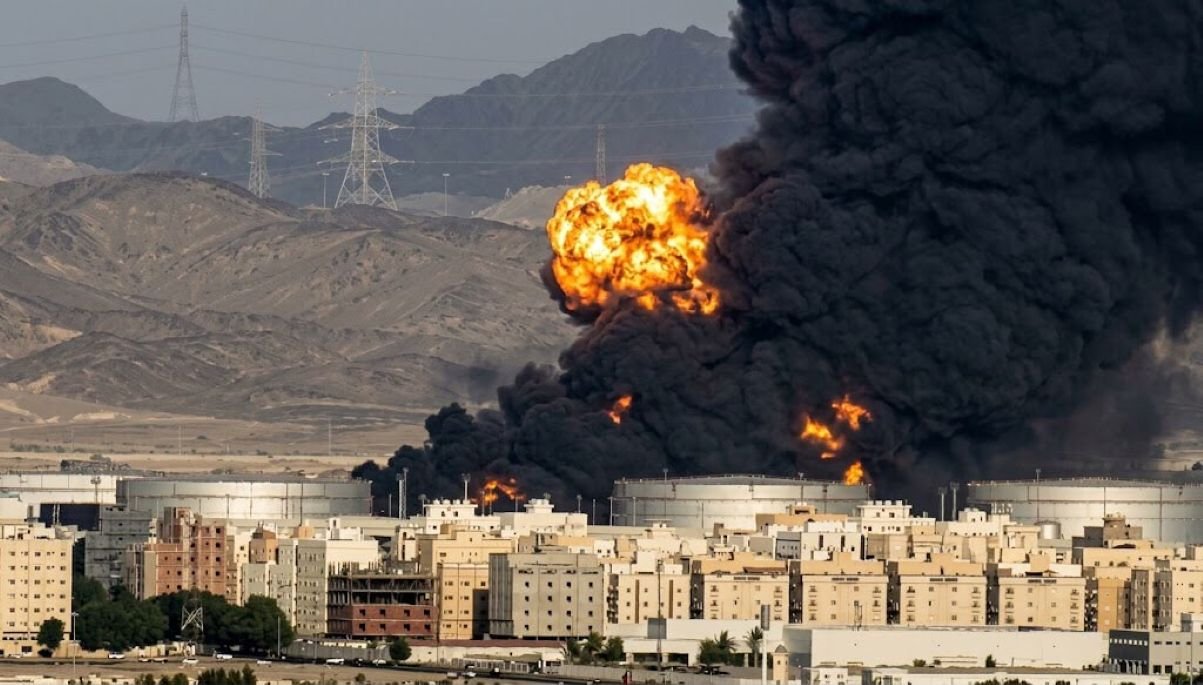
On Monday night, two oil tankers were struck by unidentified projectiles while leaving the Persian Gulf. One was a Saudi flagged ship called the Sidr. The other was a South Korean owned tanker, the Senegal Prosperity.
READ MORE: Islamabad MoU Implementation Is Only Way Forward: Dar Tells Iran
A maritime risk group based in Greece said the two hits came within minutes of each other. That timing suggests a coordinated attack rather than two separate incidents. No injuries or oil spills were reported from either strike. Still, the message to global shipping was hard to miss.
Trump’s Response: “We’re Going to Hit Them Hard”
President Trump did not hold back. He told reporters the US would respond strongly to Iran’s latest attacks. At the same time he understated the size of the conflict itself. He described it as a small war, not a major one for America.
Trump also called Iran a failed nation. He claimed the country has no functioning navy or air force left. He pointed to Iran’s economy as a proof of collapse and that the inflation there has climbed to around 300 percent.
Vice President JD Vance also commented during Monday’s interview. He described Iran’s leadership in blunt terms, calling them reckless and unpredictable. Vance said Iran was firing at commercial ships without any clear strategy. He even suggested Iran sometimes strikes at its own allies to disrupt oil flow.
Iran’s Side: Warnings and a Door Left Open
Amid US Iran War, Iran’s foreign ministry was equally firm in its own statement. It said Iranian forces would not hesitate to defend the country by force. The ministry warned that any nation helping US attacks would share the blame.
Yet Iran’s president struck a softer note elsewhere. Speaking at a summit in Kyrgyzstan, President Masoud Pezeshkian left room for diplomacy. He said Iran would return to a June ceasefire deal if the US did too. That earlier agreement had briefly paused the fighting before it collapsed months later.
Global Reactions After the Strikes
Several countries condemned the fresh violence in US Iran War almost immediately. The UAE called Iran’s attack a dangerous escalation and a direct threat to its security. Qatar also used similar language, calling the strikes a clear breach of international law.
Qatar’s foreign ministry spokesperson said the region cannot afford more escalation. He urged all sides to return to negotiations instead of trading strikes.
A War Without a Clear End
Six months have passed but this US Iran War shows no sign of a lasting resolution. Both sides insist they do not want a wider war but neither is willing to back down over the control of the Strait of Hormuz.
The US Iran war has already caused a lot of causalities for the region. The oil prices are at stake with fluctuations after every strike or missile attack. The world wants this fight to end peacefully without causing any more destruction and killings in the region.