
The war between Iran, Israel, and the United States has now dragged on for months. What started as a sudden military strike has turned into a long, messy fight.
It touches oil prices, shipping routes, and lives across the Middle East. Here is a simple look at how we got here, and where things stand today.
How The War Started

The fighting broke out in late February 2026. Israel and the United States launched a joint military operation against Iran. The strikes hit nuclear sites, military bases, and government buildings. Iran’s long time Supreme Leader, Ayatollah Ali Khamenei, was also killed in the attack.
His son Mojtaba Khamenei, later took over as the new leader. He has not appeared in public since taking charge. This single event changed the entire region overnight.
A Ceasefire That Never Really Held
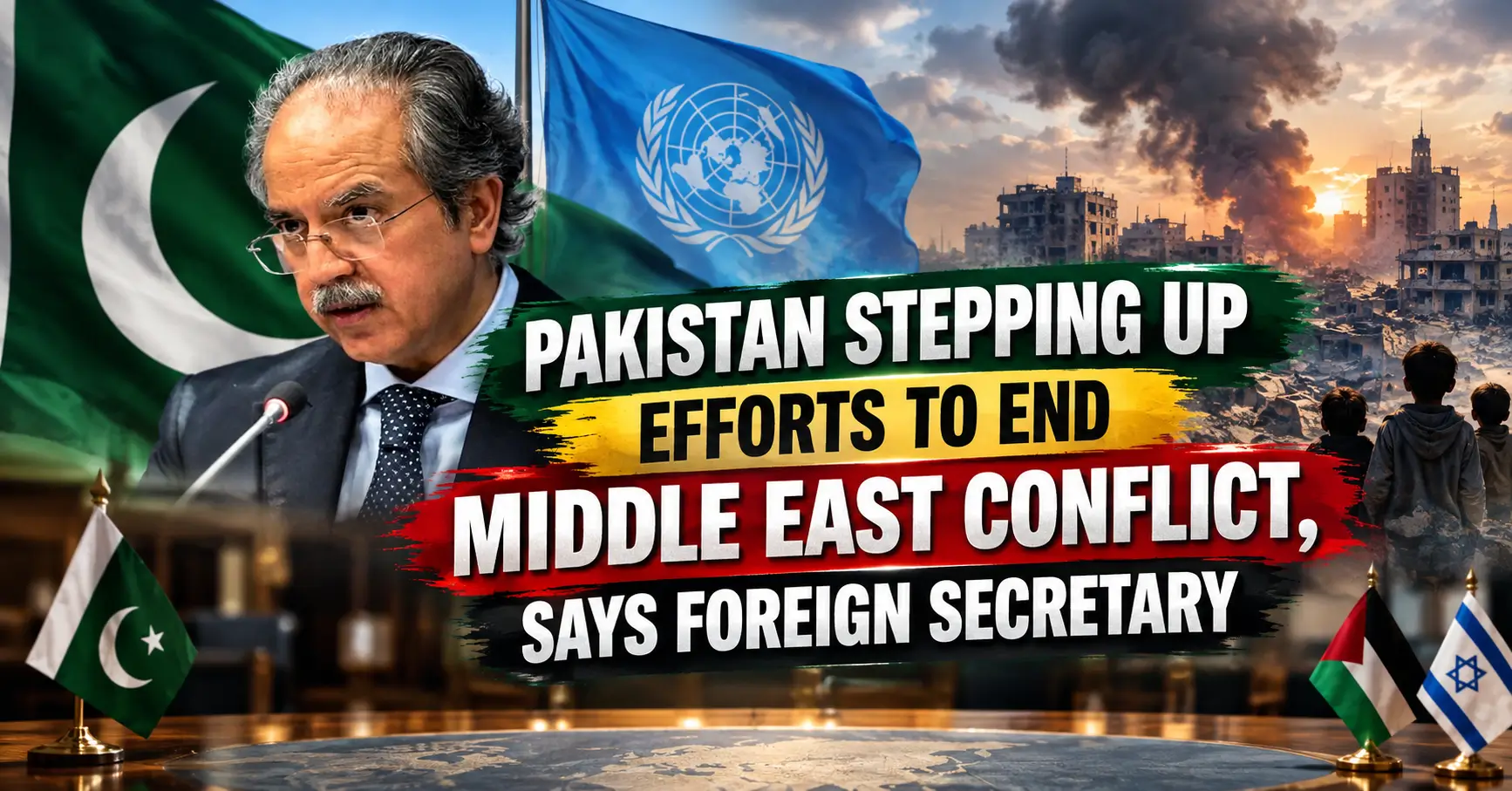
In April 2026, Pakistan helped broker a short ceasefire between the US and Iran. It was meant to last two weeks. Iran had first rejected a longer peace plan and pushed its own ten point proposal instead.
Even after the truce, both sides kept breaking it. Trump later extended the ceasefire without much real change on the ground. Since then, the situation has swung between talks and renewed attacks again and again.
The Battle For The Strait Of Hormuz

One of the biggest flashpoints has been the Strait of Hormuz. This narrow waterway carries a huge share of the world’s oil shipments. The US placed a naval blockade on Iran through this strait. Iran in turn has claimed control over the passage at different points.
Ships have come under attack, and oil slicks have appeared near Iranian islands. Shipping traffic through the strait has stayed weak for weeks. Trump has said he wants to keep the blockade going indefinitely. He has even talked about declaring Strait of Hormuz as US territory, which shocked many observers.
Trump’s War Goals Keep Changing
At the start US goals sounded huge. They included full Iranian surrender and regime change. Officials also wanted to stop Iran from ever building a nuclear weapon.
As the war entered its sixth month, these goals quietly shrank. Vice President JD Vance recently gave a much smaller list on live television.
He said the real aim is keeping oil and gas prices stable. His second goal was simply blocking Iran from getting nuclear weapons. This shift suggests the US may be preparing to accept a smaller win.
Talks, Deadlines, And Broken Promises
Oman and Qatar have both tried to mediate between Washington and Tehran. In early August, a sixty day window for peace talks closed without any lasting deal. Trump claimed the US had established a direct backchannel with Iran’s Revolutionary Guard.
Yet he also said he is in no rush to finish a deal. Iran’s side has pushed back hard against his claims. A spokesperson called Trump’s comments pure fantasy driven by desperation. Meanwhile new Iranian security chief Mohsen Rezaei added fresh demands. He said the Strait of Hormuz stays shut until wars in Lebanon and Gaza also end.
A Widening Regional Conflict

This war is no longer just about Iran and the US. Israel has continued striking targets in Lebanon and Gaza. Yemen’s Houthi rebels, backed by Iran blockaded the Bab al-Mandeb Strait.
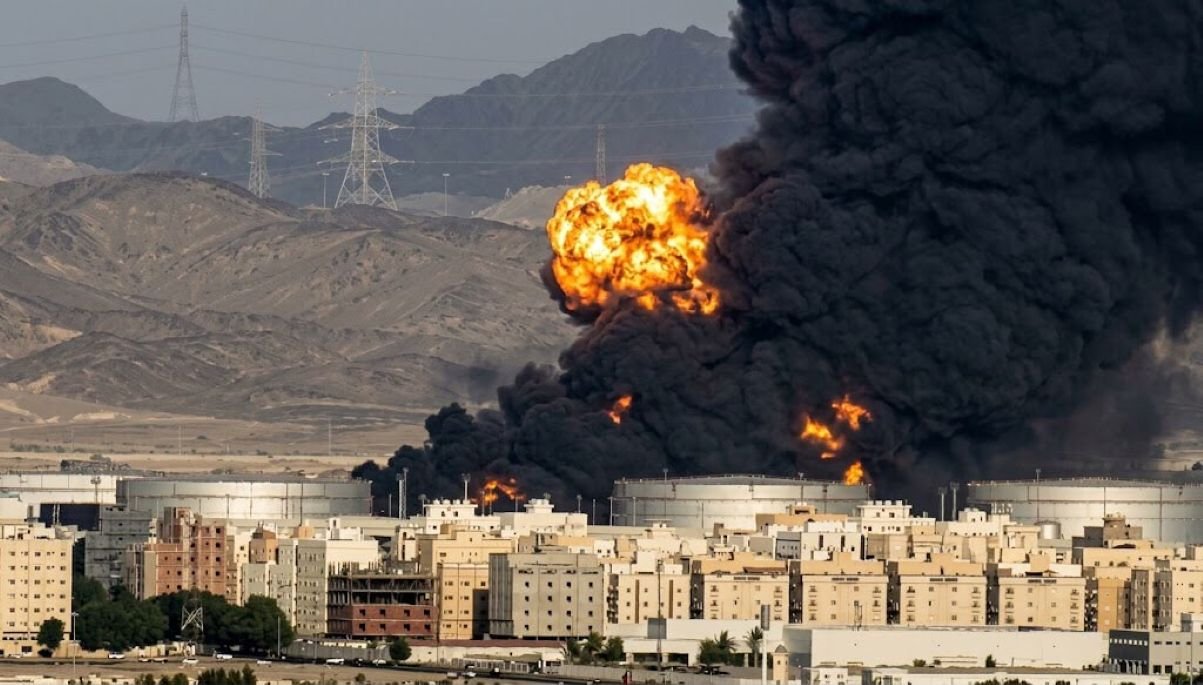
They have attacked commercial ships, killing three sailors from countries like Pakistan in the Red Sea. Saudi Arabia has also faced Houthi missile and drone attacks near its southern border.
Iraq’s Kurdish region has accused Iran of drone strikes on its offices, a claim Tehran denies. Every new incident pulls more countries deeper into the crisis.
The Human Cost Keeps Rising
The toll on ordinary people has been severe. Iran alone has reported thousands of people killed and tens of thousands injured. Executions inside Iran have also surged sharply since the war began.
Human rights groups say over nine hundred people have been executed this year. Many of them were linked to anti government protests that followed the initial strikes. Around the world people have taken to the streets to protest the war itself. Some rallies support Iran while others simply demand an end to outside intervention.
Oil Markets Feel The Pressure
Global oil prices have reacted sharply to every twist in this war. Brent crude oil climbed to nearly eighty nine dollars a barrel in mid-August. That marks a rise of about ten dollars since early August lows.
Analysts link the jump directly to the failed peace talks deadline. Iran has also worked to repair gas facilities damaged during the strikes. Officials say some production capacity may stay offline for a while longer.
What Could Happen Next
Nobody can say for certain how this war will end. Trump has hinted the conflict could conclude soon, though he has said this before. Military commanders privately worry about strained troops and low missile stockpiles. The USS Abraham Lincoln has stayed deployed far longer than the Navy usually allows.
At the same time, both sides keep talking even while trading threats. For now the region remains stuck between fragile diplomacy and the risk of fresh fighting.
This war shows how a single strike can reshape an entire region for months. Until a real deal is signed, oil markets, shipping lanes, and millions of civilians will keep feeling the strain.