
Meezan Bank Islamic Credit Cards are officially on the way — but not the way most headlines are framing it. Pakistan’s largest Islamic bank has confirmed two new Shariah-compliant card products, though commercial rollout is still more than a year off.
The announcement came quietly, buried inside a routine analyst briefing rather than a splashy launch event. That’s worth noting in itself: banks don’t usually undersell a genuinely new revenue line unless they’re being cautious about timelines.
Meezan Bank Islamic Credit Cards: What Was Announced
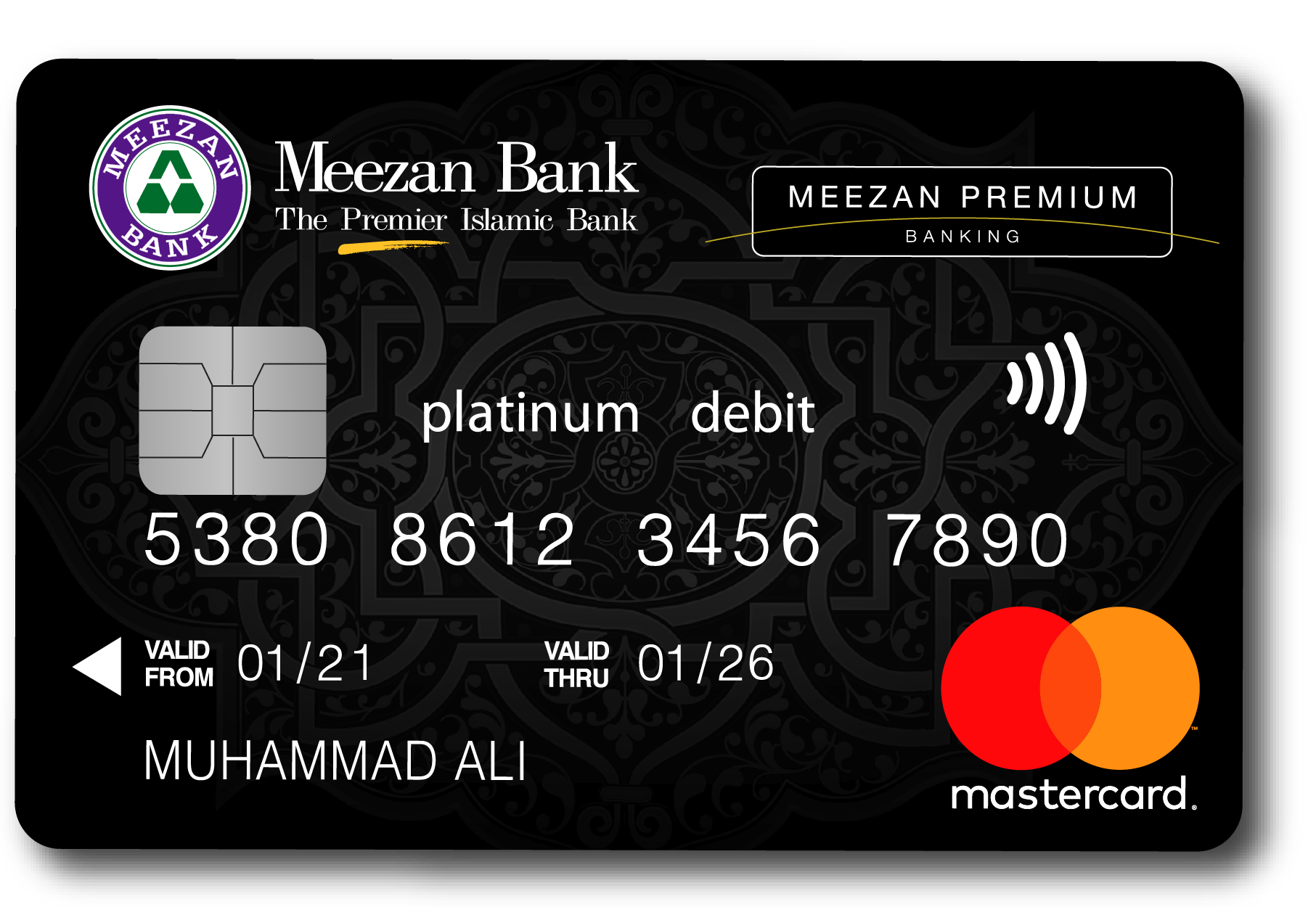
Meezan Bank Limited (PSX: MEBL) told analysts during its 2026 briefing that it is preparing to introduce two card products — the Meezan Charge Card and the Islamic Financing Card. Both have already received Shariah approval, with commercial rollout expected in 2027.
That’s a meaningful gap between announcement and availability. The Meezan Charge Card is currently undergoing a soft launch, while the Islamic Financing Card remains under development, with both products expected to go fully commercial in 2027, pending completion of the remaining rollout work.
- Two distinct card products confirmed, not one
- Shariah board sign-off already secured
- Full public availability not expected before 2027
Meezan Charge Card vs Islamic Financing Card — Key Differences

Names matter here, and Meezan appears to have chosen them deliberately. The bank has been explicit that these new cards will differ structurally from conventional credit cards — a distinction rooted in Islamic finance principles rather than marketing.
A “charge card” in Islamic banking typically settles in full each cycle rather than carrying a revolving, interest-bearing balance — sidestepping the riba (interest) problem that keeps conventional credit cards off-limits for many observant customers.
READ MORE: Fourth Wall Studios English Theatre PNCA August 2026
A “financing card,” by contrast, usually structures its cost through a Shariah-compliant mode like Murabaha or Ijarah rather than compound interest. Meezan hasn’t published full mechanics yet, but the naming convention lines up with how similar products work elsewhere in Islamic banking.
| Feature | Meezan Charge Card | Islamic Financing Card |
|---|---|---|
| Status | Soft launch underway | Under development |
| Structure | Likely full-balance settlement | Likely Shariah-compliant financing mode |
| Commercial launch | 2027 (expected) | 2027 (expected) |
| Shariah approval | Secured | Secured |
Why Shariah Approval Matters for These Cards
For Meezan, Shariah compliance isn’t a marketing checkbox — it’s the entire business model. The bank built its identity on being the first licensed Islamic commercial bank in Pakistan, and any product bearing its name goes through internal Shariah board review before it can be marketed as compliant.
That review process explains part of the long runway to 2027. Getting sign-off is one milestone; building the technology, settlement, and merchant infrastructure to actually run the card is another.
Reporting from April 2026 already showed the bank had placed the credit card concept before its Shariah board for approval, with system configuration underway at the time — meaning this has been a multi-quarter build, not a sudden decision.
Meezan Bank’s Financial Position Behind the Launch

A product launch this size doesn’t happen in isolation. Meezan’s underlying numbers give some sense of why management feels ready to expand its card business now.
Deposits Cross Rs. 3.7 Trillion
Meezan Bank’s deposits rose 23 percent year-on-year and 3 percent quarter-on-quarter to Rs. 3.7 trillion by June 2026, pushing its deposit market share to 9.15 percent.
CASA deposits grew 13 percent year-on-year in the first half of 2026, lifting the CASA ratio to 91 percent, while current accounts alone rose 20 percent year-on-year.
On profitability, the bank posted profit after tax of Rs. 48.8 billion — earnings per share of Rs. 27.1 — for the first half of 2026, a 6 percent year-on-year increase, alongside a cash dividend of Rs. 8 per share that brought the half-year total to Rs. 15.5 per share.
Branch Network and “Phygital” Banking Strategy
The bank had 1,150 branches as of June 2026 and plans to add another 100 by year-end. Management described its approach as a “phygital” model — blending physical branches with digital services — noting that leaning exclusively on either channel has real limitations.
- Branch count: 1,150 (June 2026), rising to ~1,250 by year-end
- Deposit market share: 9.15 percent
- Half-year profit: Rs. 48.8 billion
Not every metric is moving in Meezan’s favour, though. Its advances-to-deposits ratio fell to 44 percent in June 2026 from 51 percent in December 2025, which management attributed partly to seasonal factors, stronger deposit growth, and softer business demand for financing — while expecting the ratio to recover in coming periods.
Around 85 percent of the bank’s investment book sits in government-issued Ijarah Sukuk, with roughly three-quarters of that exposure in variable-rate instruments.
Cost discipline is also part of the picture. The cost-to-income ratio climbed to 30 percent in the first half of 2026 from 25 percent a year earlier, though management said its internal ceiling is 34–35 percent — still below the industry average.
What This Means for Pakistan’s Islamic Banking Market
Meezan isn’t just Pakistan’s largest Islamic bank — it’s effectively setting the pace for the entire sector. A card product from a bank of this scale tends to pull competitors along with it, the way Meezan’s earlier moves in car and home Ijarah financing reshaped how rival Islamic banks structured their own consumer products.
Management also flagged that foreign exchange income had risen on the back of stronger trade activity and remittance inflows, and expects the State Bank of Pakistan to hold its policy rate steady over the next few quarters — a stable backdrop that gives the bank room to invest in new product lines like this one without rate-driven surprises.
Implications for Future Cardholders
If you’re a Meezan customer hoping to apply for one of these cards next month, temper expectations. This is a multi-year product build, and the bank has been careful not to promise firm dates beyond “2027.”
Meezan is signalling a serious, structurally different alternative to conventional credit cards — not a rebadged version of one.
The Charge Card or the Financing Card ends up more popular will likely depend on pricing, merchant acceptance, and how closely the final terms match what’s expected from a genuinely Shariah-compliant product.