
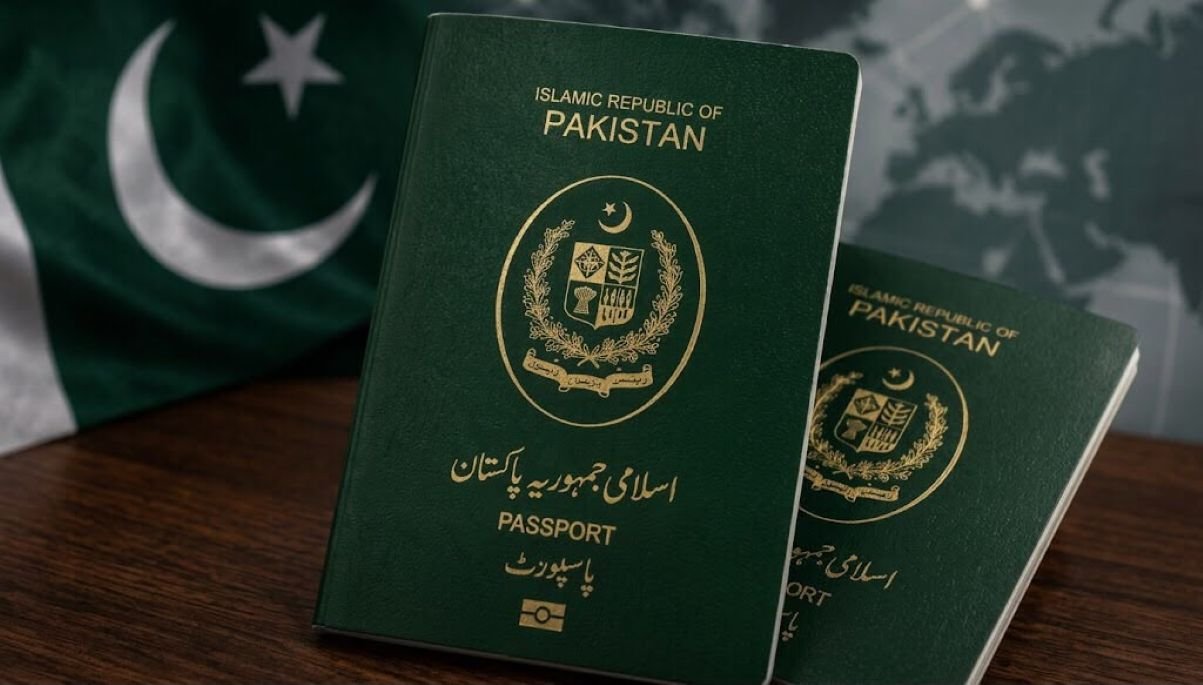

The federal government has approved a sweeping set of digital reforms aimed at modernizing how citizens apply for and receive their passports, with the NADRA PakID app sitting right at the center of this overhaul.
For a process that has frustrated generations of applicants with paperwork, waiting rooms, and repeat office visits, this shift toward full digital processing feels genuinely overdue.
What is Changing in the Passport Process
The reforms were finalized during a high-level meeting chaired by Federal Interior Minister Mohsin Naqvi, bringing together several digital initiatives under one coordinated push.
At the heart of it all sits the plan to gradually replace traditional Machine Readable Passports with modern e-passports nationwide, alongside expanded online application options routed directly through the PakID platform.
One of the more immediately useful changes involves biometric verification. The Directorate General of Immigration and Passports has confirmed that applicants can now verify their fingerprints directly through the PakID mobile app.
This online fingerprint upload stage is now completely replacing the older manual fingerprint capturing method that used to require an in-person visit.
Cashless payment options are being rolled into the system too, alongside plans for a proper passport home delivery service. Put together, these changes mean an applicant could theoretically complete nearly every step at home.
From submitting documents to paying fees to receiving their finished passport, without ever setting foot inside a passport office.
What an E-Passport Actually Offers
An e-passport contains a small contactless chip, often called an NFC chip, embedded directly into the document itself. This chip allows the passport to be read electronically at border checkpoints, a feature that is already standard practice in more than 150 countries worldwide.
Pakistan first introduced e-passports several years ago, built to comply with the International Civil Aviation Organization’s global security standards. Holders of these chip-enabled passports gain access to e-gate facilities at many international airports.

Letting travelers pass through automated barriers rather than waiting in traditional manual inspection lines. Beyond convenience at the airport, security is really the bigger hurdle. Traditional passports carry limited built-in security features, making them comparatively easier targets for forgery or tampering.
E-passports undergo multiple layers of electronic verification, which is a meaningful upgrade for a country working to strengthen its international travel documentation standards.
How Online Applications Work, and What is Coming Next
This is not actually Pakistan’s first attempt at digitizing passport services either. The e-Services portal run by DGIP has offered online passport renewal for years now, allowing both overseas and inland Pakistanis to submit applications without visiting a physical office in person.
Overseas Pakistanis in particular have benefited from this existing system already. According to DGIP’s own figures, close to seven hundred and twenty thousand passports had been dispatched directly to applicants doorsteps abroad as of 2021 alone, easing the long and expensive trips back to Pakistan purely for passport processing.
What is genuinely new this time is the deeper integration with PakID specifically. Full nationwide e-passport issuance, combined with broader online application categories and home delivery for inland applicants too, represents a considerably bigger progression in the system.
Why This Matters for Everyday Pakistanis
Pakistan’s government has been steadily pushing NADRA’s PakID app into an increasingly central role across multiple public services this year, from pension verification to trade platform biometric checks and even fuel subsidy registration systems.
Folding passport services into that same digital ecosystem fits a clear pattern rather than a standalone announcement. Citizens who have already grown familiar with using PakID for one government service now find themselves able to use that same app for an entirely different and important process too.
Whether this rollout proceeds smoothly nationwide will likely depend on how quickly infrastructure and public awareness catch up with these ambitious plans.