
Iran Says the Islamabad Peace Deal Is Now Closer Than Ever
Iran’s top diplomat has signalled that a landmark agreement between Tehran and Washington is within touching distance — but he’s urging patience, not celebration just yet.
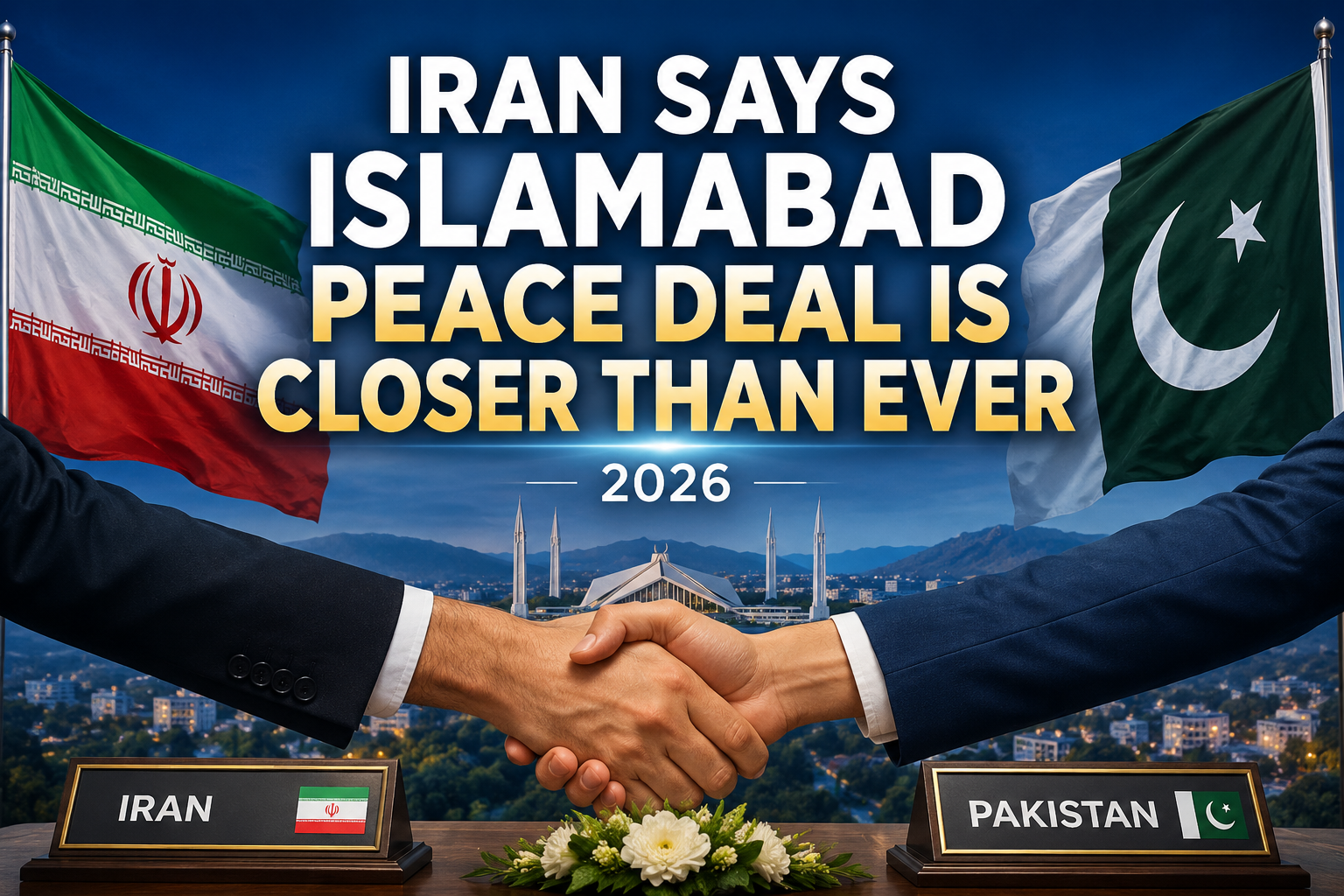
Iranian Foreign Minister Abbas Araghchi took to X on Friday, 12 June 2026, to announce that the proposed Islamabad Memorandum of Understanding between Iran and the United States had reached its most advanced stage yet. Araghchi stated that the agreement had “never been closer,” signalling significant progress in the ongoing diplomatic effort. At the same time, he asked the world’s media to hold off on speculating about the deal’s specifics until the process was formally concluded.
It is a moment that, just weeks ago, few would have predicted. After months of war, ceasefire violations, a naval blockade, and a back-and-forth that has rattled global energy markets, the two sides now appear to be edging towards the exit ramp of a conflict that has defined 2026 so far.
What Araghchi Actually Said
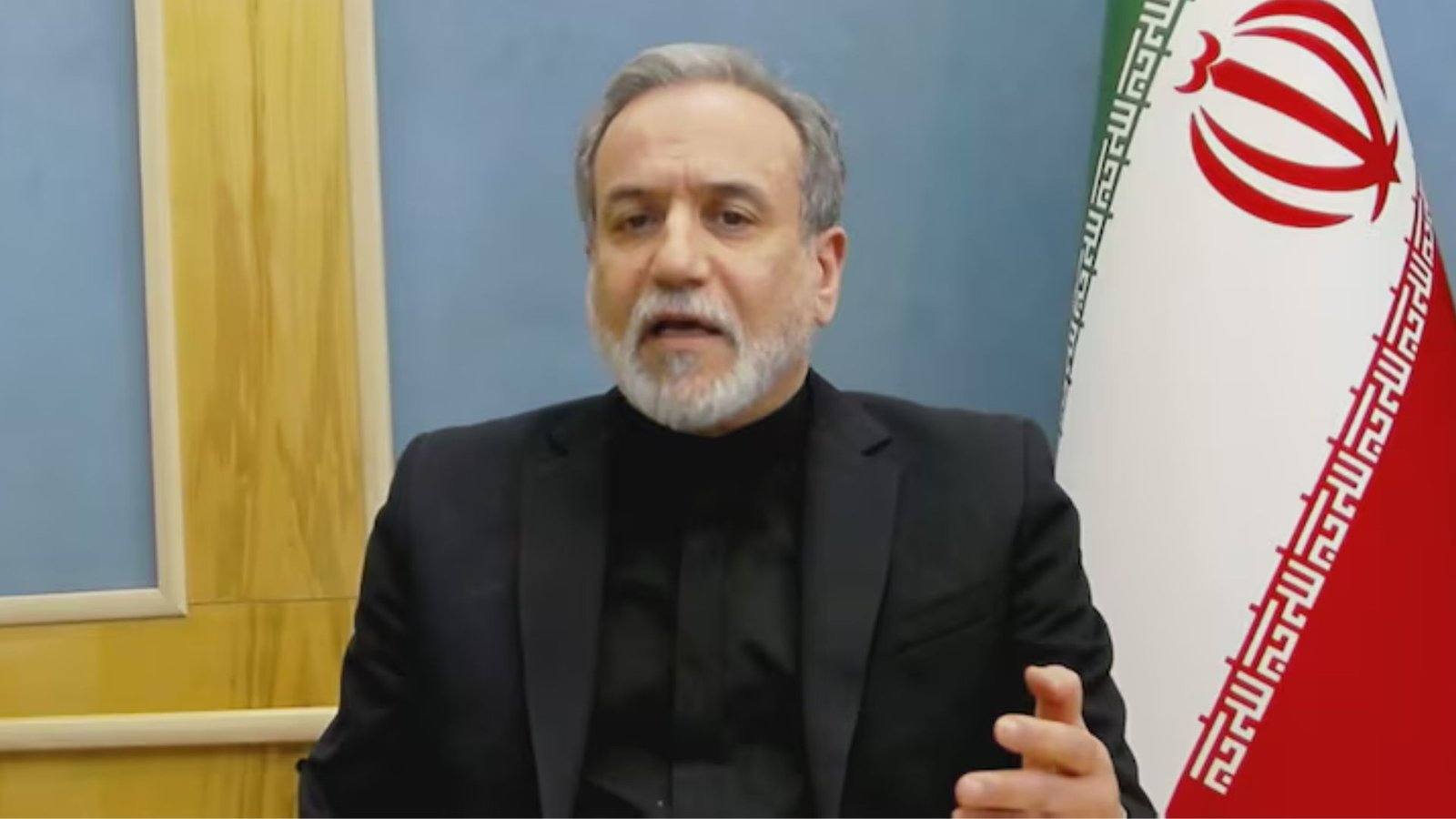
The Iranian Foreign Minister’s statement, posted directly on X, was carefully worded but unmistakably optimistic. He confirmed the proposed Islamabad Memorandum of Understanding was on the verge of being finalised, while urging the media to avoid speculation about its contents until the process was complete.
He also addressed concerns around transparency — a recurring friction point throughout the negotiations. Araghchi said that in line with Tehran’s responsible and transparent approach, all details would be shared with the public in due course.
His remarks carry particular weight given the tensions around leaked information. Earlier the same day, US President Donald Trump accused Iran of leaking terms that differed from those agreed between the two countries, writing that what Tehran had said “bears no relation to the truth.” Araghchi’s statement appeared to be a direct attempt to de-escalate that public spat and keep the deal on track.
Pakistan’s Role: From Broker to Guarantor
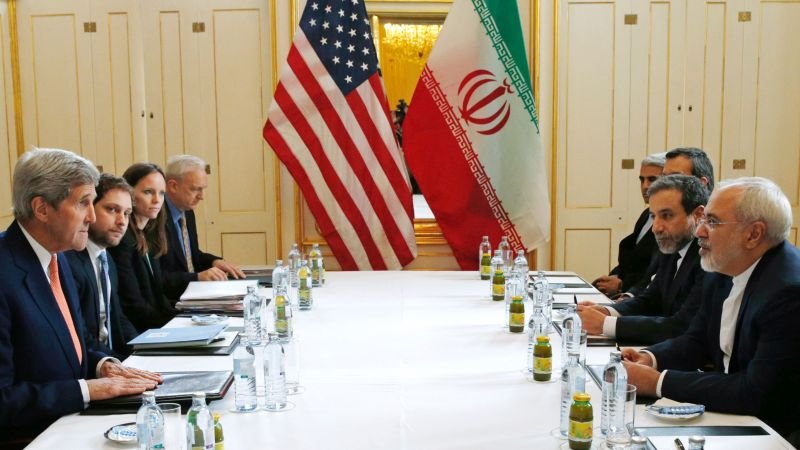
It would be difficult to overstate how central Pakistan has been to this entire process. Pakistani Prime Minister Shehbaz Sharif confirmed that a final, agreed-upon text of the peace deal had been reached, with next steps still to be finalised, and said Pakistan was working closely with both Washington and Tehran.
That is a remarkable diplomatic achievement for Islamabad. Pakistan mediated the original two-week ceasefire on 8 April 2026, which was negotiated between Pakistani army chief Asim Munir, US Vice President JD Vance, special envoy Steve Witkoff, and Iranian Foreign Minister Araghchi.
Pakistan’s behind-the-scenes role has gone even further. A Pakistani source told Reuters that Israel had removed Araghchi and Iranian Parliamentary Speaker Qalibaf from a target list after Pakistan urged Washington to press Israel not to eliminate them, arguing there would be no one left to negotiate with. That single intervention may well have saved the entire diplomatic channel.
How We Got Here: A Long Road to the Islamabad MOU
The path to Friday’s announcement has been anything but smooth. The original Islamabad Talks were held on 11 and 12 April 2026, and lasted a gruelling 21 hours. The two sides were able to agree on the main points of a ten-point ceasefire framework, but stumbled on the issues of the Strait of Hormuz and Iran’s nuclear programme, ultimately ending without any memorandum being issued.
Since then, the situation has evolved in fits and starts. Trump unilaterally extended the ceasefire hours before it was due to expire, without indicating a new end date, while Iran dismissed that extension as “meaningless,” pointing to a continued US naval blockade of Iranian ports as a violation of the original deal.
Iran had previously insisted that the fighting in Lebanon must remain paused as a precondition for further talks — a demand that complicated the diplomatic timeline considerably.
Yet diplomats kept talking. According to a diplomat from one of the mediating countries, both the US and Iran agreed on the text of the MOU, with the deal reportedly brokered through phone calls between Araghchi and Qatar’s Ali Al-Thawawdi, who also spoke with Trump’s envoys Steve Witkoff and Jared Kushner.
What the Islamabad MOU Is Expected to Include
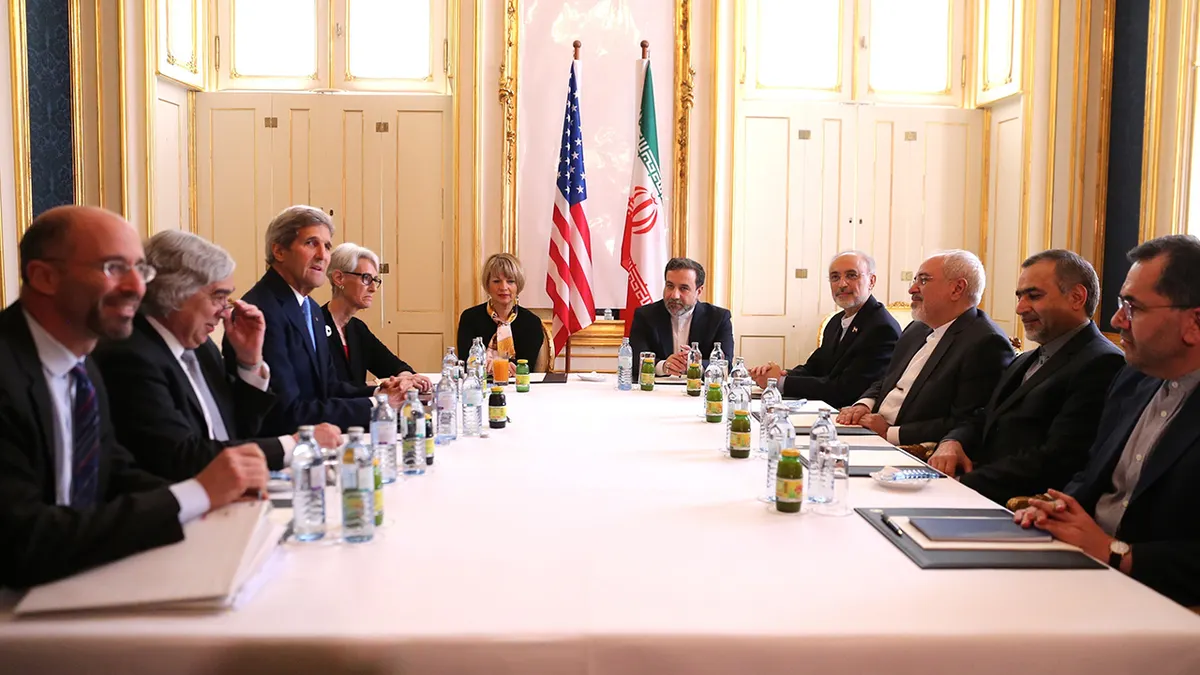
Full details have not been made public, and both sides have been careful to avoid confirming specifics ahead of a formal signing. However, reports filtering through from diplomatic sources paint a broad picture of what the Islamabad peace deal is likely to contain.
The proposed MOU is reported to include a 60-day ceasefire extension, the reopening of the Strait of Hormuz, and a framework for nuclear talks. That last element is likely to be the most contentious. During earlier talks, Trump said “most points were agreed to, but the only point that really matters, nuclear, was not,” describing Iran as “unyielding” on the issue.
Iran, for its part, has consistently drawn its own red lines. Araghchi previously stated that Iran remained “crystal clear” that it would “under no circumstances ever develop a nuclear weapon,” while also asserting the right of its people to benefit from peaceful nuclear technology.
Whether those positions are close enough to produce a durable framework remains to be seen.
Trump’s Response: Cautious Optimism
Despite the angry posts about leaked deal terms, the US President’s broader posture on Friday was one of guarded optimism. Trump signalled that he expected a memorandum of understanding to be signed with Iran within the coming days.
That said, the Israeli factor remains a significant wildcard. Even as Trump anticipated a deal, Israeli Defence Minister Israel Katz hinted that Jerusalem would need to use military force in the future to prevent Iran from acquiring nuclear weapons. Israel, notably, was kept out of the loop — Prime Minister Benjamin Netanyahu was reportedly not updated on the emerging MOU and had to call contacts within the Trump administration to learn the details.
That disconnect between Washington and Tel Aviv could yet complicate any agreement’s durability, even if it is signed.
What This Means for the Region
Key developments to watch going forward:
- Whether Iran’s Supreme Leader Mojtaba Khamenei formally approves the MOU text — sources indicate this had not happened as of Friday
- The status of the US naval blockade on Iranian ports, which Tehran views as a ceasefire violation
- Israel’s response to any final agreement, given its stated position on Iran’s nuclear programme
- Whether the proposed 60-day window produces meaningful progress on the nuclear question
The Strait of Hormuz question also carries enormous economic stakes. The waterway handles roughly a fifth of global oil trade, and its status has been a pressure point throughout the conflict.
A Diplomatic Shift Months in the Making
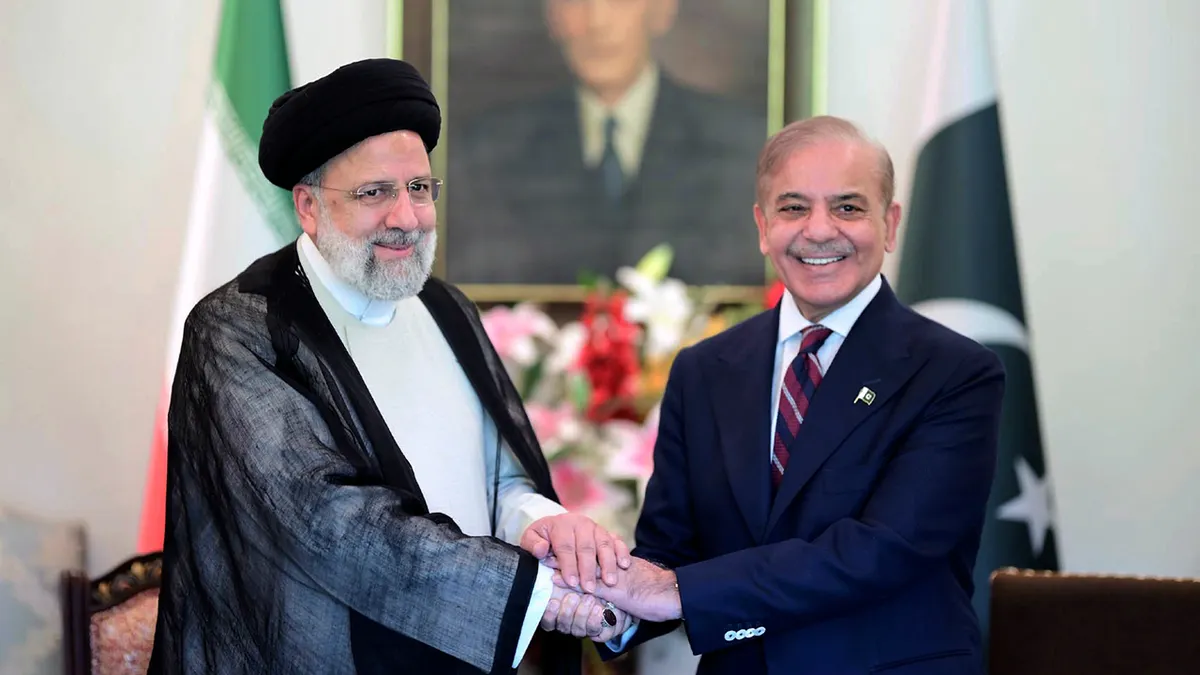
What is striking about Friday’s announcement is just how far the two sides have travelled since the early weeks of 2026. In March, Araghchi was saying Iran had never asked for a ceasefire and was ready to defend itself “as long as it takes.” The shift in tone since then has been significant.
Back in February, Iranian officials had signalled cautious optimism, with Araghchi saying an unprecedented deal was within reach if diplomacy was given priority. That language of possibility has now sharpened into something that feels considerably more concrete.
The coming hours and days will tell whether the Islamabad peace deal becomes the agreement that ends one of the most dangerous conflicts of the decade — or whether it joins the long list of near-misses that have defined US-Iran relations for a generation.
Key Facts
| Detail | Information |
|---|---|
| Statement date | 12 June 2026 |
| Source | Iranian FM Abbas Araghchi via X |
| Framework name | Islamabad Memorandum of Understanding |
| Mediator | Pakistan |
| Key US envoys | Steve Witkoff, Jared Kushner |
| Reported MOU content | 60-day ceasefire, Strait of Hormuz reopening, nuclear talks framework |
Key Takeaways
- Iran’s Foreign Minister says the Islamabad peace deal has “never been closer” to finalisation
- Pakistan’s PM confirmed a final agreed text exists, though next steps remain pending
- Trump acknowledged progress but accused Iran of leaking inaccurate deal terms
- Iran’s Supreme Leader has reportedly not yet approved the MOU text
- Israel was kept out of negotiations and has signalled its own reservations