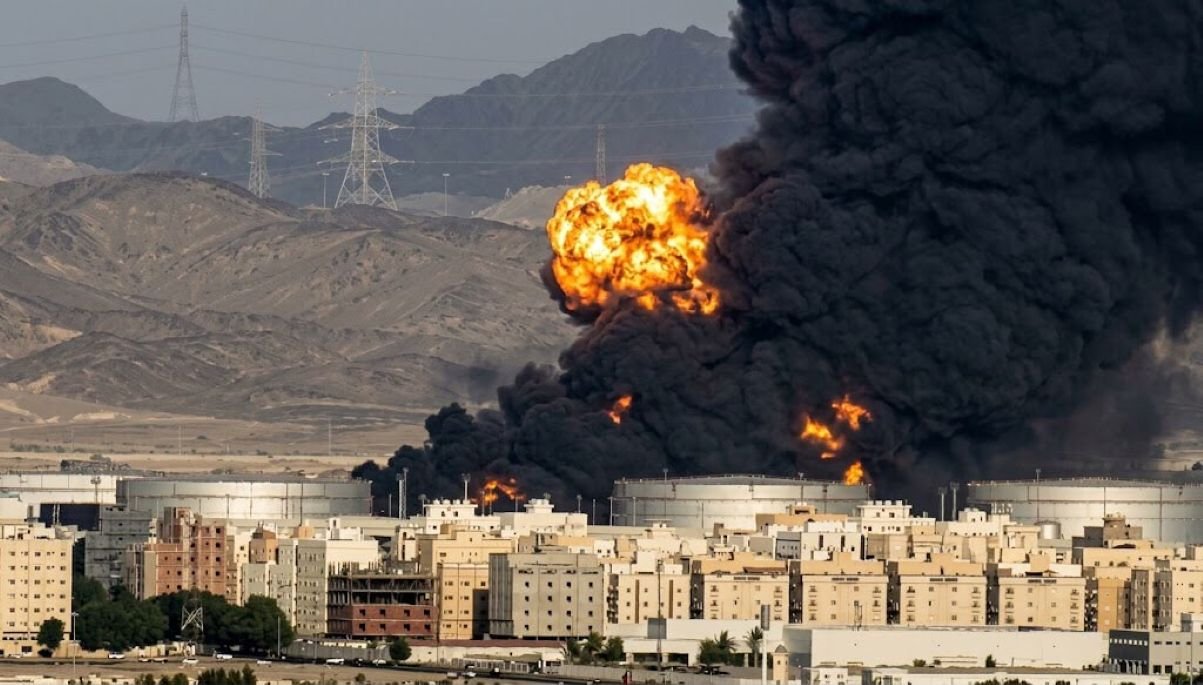
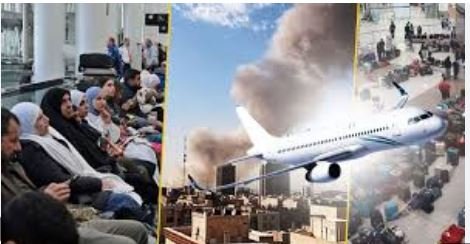

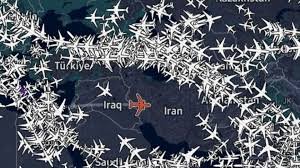
Airlines and aviation authorities around the world have issued urgent flight status updates amid the Iran war, as rising tensions in the Middle East disrupt international air travel routes. The conflict has forced carriers to reroute flights, suspend certain services, and issue advisories for passengers traveling across several continents. The latest developments have particularly affected airspace near Iran and surrounding regions, which serve as key aviation corridors connecting Asia, Europe, and North America.
The changes began earlier this week after security concerns escalated in parts of the Middle East, prompting global aviation regulators to review safety conditions. Airlines quickly responded by adjusting flight routes and issuing travel alerts to passengers.
As a result, travelers in regions including the Middle East, South Asia, Europe, North America, and Central Asia are experiencing delays, longer flight durations, and occasional cancellations.
Middle East Flight Status Updates

The Middle East has seen the most immediate aviation impact as the conflict involves airspace close to major international routes. Several airlines operating in the region have temporarily adjusted their schedules and routing to avoid potential risk zones.
Flights passing through or near Iranian, Iraqi, and Gulf airspace are being closely monitored. Some carriers have reduced services to certain destinations while others are operating with modified flight paths.
Airports across the region remain operational, but authorities have urged passengers to check with airlines before heading to the airport.
Travelers flying to major Middle Eastern hubs may experience:
- Delays due to extended flight routes
- Schedule adjustments for connecting flights
- Temporary suspension of selected routes
Despite these disruptions, most major airports continue to operate under enhanced safety monitoring.
India and Pakistan Flight Status Updates
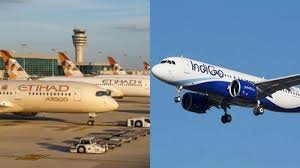
Air travel in South Asia is also being closely monitored due to its proximity to the affected region. Aviation authorities in India and Pakistan have increased surveillance of international routes that pass near Middle Eastern airspace.
Many flights connecting South Asia with Europe and the Gulf region traditionally pass through Iranian airspace. Due to the current situation, airlines are adjusting their flight plans to avoid high-risk zones.
Passengers traveling between South Asia and the Middle East may notice longer travel times because aircraft are taking alternative paths.
Travel experts say flights between India, Pakistan, and Europe are particularly affected, with airlines prioritizing safety over shorter routes.
Airlines have advised passengers to:
- Confirm flight schedules before departure
- Allow extra travel time
- Stay updated through airline notifications
These precautions are expected to remain in place until regional security conditions improve.
Europe Flight Status Updates
European airlines are among the most affected by the flight status updates amid Iran war because many routes to Asia pass directly through Middle Eastern airspace.
Several European carriers have already rerouted flights traveling to destinations in South Asia, East Asia, and Australia.
Instead of crossing conflict-sensitive areas, aircraft are now flying through alternative corridors that add additional distance to journeys.
Aviation analysts say some flights between Europe and Asia are now taking routes over Central Asia or the Mediterranean.
Passengers traveling from European airports may experience:
- Increased flight durations
- Higher fuel costs affecting airline operations
- Schedule adjustments for long-haul flights
Despite these challenges, airlines have maintained operations by carefully planning alternative routes.
United States and Canada Flight Status Updates
Airlines in North America are also responding to the evolving situation with precautionary changes. Long-haul flights connecting North America to Asia, the Middle East, and South Asia may be affected by rerouting decisions.
Although the region is geographically distant from the conflict zone, many international routes rely on interconnected airspace networks. Any disruption in one part of the world can impact flight planning elsewhere.
Airlines in the United States and Canada are currently monitoring the situation while adjusting flight paths for safety.
Passengers traveling from North America may experience:
- Slightly longer flight durations
- Changes in connection times
- Limited schedule adjustments for specific routes
Aviation authorities in both countries say passenger safety remains the top priority.
Central Asia Flight Status Updates
Central Asian airspace has gained increased importance following the flight status updates amid the Iran war. Airlines are now considering alternative routes that pass through Central Asian countries to avoid conflict-sensitive zones.
This shift has led to increased traffic in some air corridors across the region. Aviation authorities are coordinating with international regulators to ensure safe and efficient flight operations.
Experts say Central Asia could temporarily serve as a key transit corridor for flights traveling between Europe and Asia.
Airspace management agencies in the region are closely monitoring the increase in international traffic.
Travel Insurance and Passenger Rights
Experts are advising travelers to review their travel insurance policies before flying during periods of geopolitical tension.
Most airlines are offering flexible options for passengers affected by schedule changes, including:
- Free flight rebooking
- Travel credits for future trips
- Refund options in certain cases
Passengers are encouraged to keep track of airline notifications and maintain communication with customer support teams for assistance.
Consumer protection groups also recommend saving all travel documents and receipts in case compensation claims are required.
Why Airlines Are Rerouting Flights
Airlines follow strict safety protocols whenever geopolitical tensions threaten aviation routes. When conflict occurs near important air corridors, airlines evaluate potential risks and adjust their flight plans accordingly.
Modern aircraft are equipped with advanced navigation and monitoring systems, but avoiding conflict zones entirely is considered the safest approach.
Airline route planners evaluate several factors when deciding whether to reroute flights, including:
- Security intelligence reports
- Military activity in the region
- Airspace restrictions issued by governments
- International aviation authority guidance
These measures ensure passenger safety while allowing airlines to maintain operations.
What Travelers Should Expect
Passengers traveling internationally during this period should stay informed and prepared for potential disruptions. The ongoing flight status updates amid Iran war highlight the importance of checking travel information before heading to the airport.
Travelers can reduce inconvenience by taking a few simple steps:
- Check airline websites regularly for updates
- Sign up for flight alerts and notifications
- Arrive early at airports
- Keep travel plans flexible if possible
Airlines are also offering rebooking options for passengers affected by schedule changes.
Aviation Industry Response
The global aviation industry has experience dealing with disruptions caused by geopolitical tensions. Airlines often coordinate with international aviation regulators to ensure safe flight operations even during uncertain conditions.
Experts believe that while the current flight status updates amid the Iran war may temporarily affect travel routes, global aviation systems are designed to adapt quickly.
Airlines are expected to continue monitoring the situation and adjusting routes as necessary.
If tensions decrease, normal flight paths may gradually resume. However, aviation authorities will maintain safety precautions until the regional situation stabilizes.
Outlook!
The latest flight status updates amid the Iran war have created ripple effects across the global aviation network. Airlines in the Middle East, South Asia, Europe, North America, and Central Asia are adjusting flight routes and schedules to prioritize passenger safety.
While most flights continue to operate, travelers should expect longer travel times, occasional delays, and route adjustments. Aviation authorities and airlines remain in close coordination to ensure safe air travel during this period.
Passengers planning international trips are advised to monitor airline updates and remain flexible as the situation evolves.
As global aviation adapts to these challenges, safety will remain the top priority for airlines and regulators worldwide.