
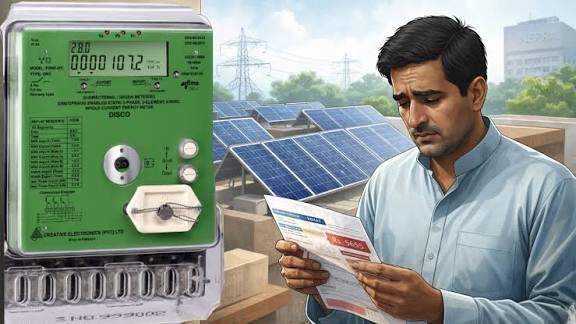

The Government of Pakistan has introduced updates to the Pakistan Solar Net Metering Policy to regulate the growing number of rooftop solar users across the country.
The revised framework, discussed in 2025 and expected to shape energy practices in 2026, aims to balance consumer benefits with power sector sustainability. Implemented nationwide, the policy affects households and businesses generating electricity through solar panels.
Officials say the changes are designed to address financial pressure on the national grid, manage rising electricity costs, and ensure fair pricing for all consumers while promoting renewable energy adoption.
What is the Pakistan Solar Net Metering Policy?
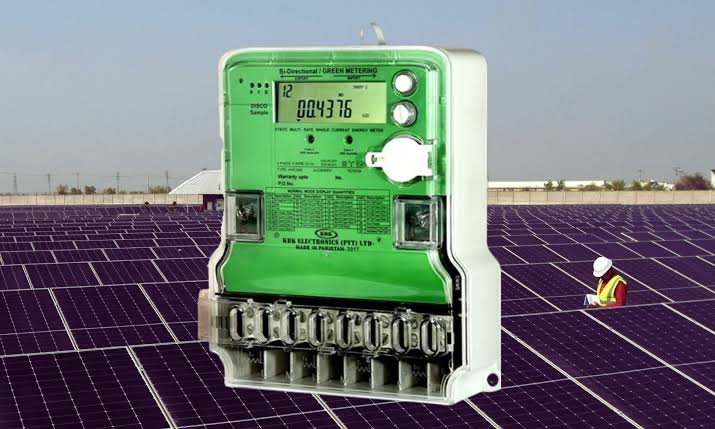
The Pakistan Solar Net Metering Policy allows consumers who generate electricity through solar panels to supply excess power back to the national grid. In return, they receive credits or payments on their electricity bills.
The policy was initially introduced to:
- Encourage renewable energy adoption
- Reduce reliance on fossil fuels
- Lower electricity costs for consumers
- Promote environmental sustainability
- Reduce pressure on national power generation
Under net metering, homes or businesses with solar installations can offset their electricity usage by exporting surplus power.
The updated policy introduces new pricing mechanisms, eligibility rules, and regulatory adjustments to address emerging challenges in the energy sector.
Why the Policy Was Updated
Rising Solar Adoption
Pakistan has seen rapid growth in solar installations due to:
- Increasing electricity tariffs
- Frequent power outages
- Declining solar panel costs
- Government incentives
As more consumers shifted to solar energy, power distribution companies faced revenue losses, creating financial imbalances within the energy sector.
Financial Pressure on the Grid
According to energy officials and the National Electric Power Regulatory Authority (NEPRA), existing net metering rates placed a burden on the national grid because electricity purchased from solar users was priced higher than conventional generation costs.
This gap led authorities to revise the system to ensure long-term sustainability.
Key Changes in Pakistan Solar Net Metering Policy
1. Revised Buyback Rates
One of the most significant changes involves the rate at which the government purchases excess electricity from solar users.
Previously:
- Consumers received higher per-unit compensation.
Now:
- Buyback rates are revised to reflect actual generation costs.
- Tariffs may vary based on market conditions.
This adjustment aims to balance benefits for solar users with financial stability for power companies.
2. New Billing Mechanism
The updated policy introduces a modified billing structure:
- Separate calculations for imported and exported electricity
- Market-based pricing adjustments
- Transparent tariff structure
This ensures accurate billing and reduces cross-subsidization between solar and non-solar consumers.
3. Updated Eligibility Requirements
The new policy may include stricter eligibility criteria such as:
- Technical compliance standards
- Grid compatibility requirements
- Capacity limits for solar installations
- Enhanced documentation process
These rules aim to maintain system stability and ensure safe integration of renewable energy.
4. Grid Infrastructure Improvements
Authorities plan to strengthen grid infrastructure to handle increasing renewable energy input.
This includes:
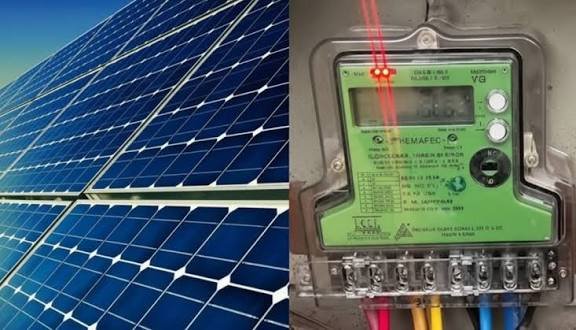
- Smart metering systems
- Improved distribution networks
- Advanced monitoring technology
These upgrades will help manage fluctuations in solar energy supply.
5. Focus on Energy Sector Sustainability
The revised policy emphasizes:
- Long-term energy planning
- Financial sustainability of distribution companies
- Balanced benefits for all electricity users
Officials say the changes are necessary to maintain a stable power system.
How the Policy Affects Solar Consumers

Impact on Existing Users
Existing solar panel owners may experience:
- Adjusted credit rates for exported electricity
- Possible changes in billing calculations
- Updated regulatory requirements
However, authorities indicate that transitional arrangements may apply to protect existing investments.
Impact on New Solar Users
For new installations:
- Lower financial returns compared to earlier policies
- Stricter approval process
- Greater emphasis on self-consumption of solar energy
Experts suggest future solar users will need to optimize energy usage rather than rely heavily on grid exports.
Benefits for General Electricity Consumers
The government argues that revised net metering rules could:
- Reduce pressure on electricity tariffs
- Improve grid reliability
- Ensure fair pricing for non-solar consumers
This aims to balance energy costs across different consumer groups.
Economic and Environmental Implications
Economic Impact
The Pakistan Solar Net Metering Policy is expected to influence the energy market in several ways:
- Stabilization of power sector finances
- Controlled subsidy burden
- Changes in solar investment trends
- Growth of local solar technology market
Some analysts believe the revised structure may slow solar adoption initially but create long-term market stability.
Environmental Impact
Despite revised incentives, renewable energy remains a key priority.
Solar energy continues to:
- Reduce carbon emissions
- Lower dependence on imported fuel
- Improve energy security
- Support climate commitments
The policy still encourages clean energy but promotes responsible integration.
Challenges and Public Response
The announcement has sparked mixed reactions among stakeholders.
Concerns Raised by Solar Users
Some solar investors argue:
- Reduced buyback rates may discourage adoption
- Financial returns may decline
- Investment recovery period could increase
Consumer groups have called for transparent implementation and stakeholder consultation.
Government’s Position
Authorities maintain that the policy is necessary to:
- Protect the national power system
- Ensure fair electricity pricing
- Prevent financial losses in the energy sector
Officials emphasize that renewable energy expansion remains a priority.
Pakistan’s Renewable Energy Goals
Pakistan aims to increase its share of renewable energy in the national power mix over the coming years. Solar energy plays a major role in achieving these targets.
Key national energy goals include:
- Expanding renewable energy capacity
- Reducing fossil fuel reliance
- Strengthening energy security
- Improving power affordability
The updated net metering policy is part of broader energy sector reforms.
Comparison with Global Net Metering Trends
Many countries have revised net metering policies as solar adoption grows.
International trends show:
- Shift from high subsidies to market-based pricing
- Focus on self-consumption models
- Grid stability measures
- Time-of-use tariffs
Pakistan’s revised framework reflects similar global practices.
Implementation and Future Outlook
The policy will be implemented through regulatory guidelines and distribution companies across the country, including major urban centers such as Islamabad.
Energy experts predict:
- Continued solar growth despite policy changes
- Greater investment in battery storage
- Increased focus on energy efficiency
- Gradual evolution of renewable energy regulations
The long-term success of the policy will depend on implementation transparency and stakeholder cooperation.
Final Thoughts!
The Pakistan Solar Net Metering Policy marks a significant shift in the country’s renewable energy landscape. By revising buyback rates, updating billing mechanisms, and strengthening regulatory oversight, the government aims to balance consumer benefits with power sector sustainability.
While the changes may alter financial returns for solar users, the policy seeks to ensure long-term grid stability, fair electricity pricing, and continued renewable energy growth. As Pakistan moves toward cleaner energy solutions, the success of the policy will depend on effective implementation and public confidence.
Readers, industry experts, and consumers will closely watch how the revised framework shapes the future of solar energy in Pakistan.