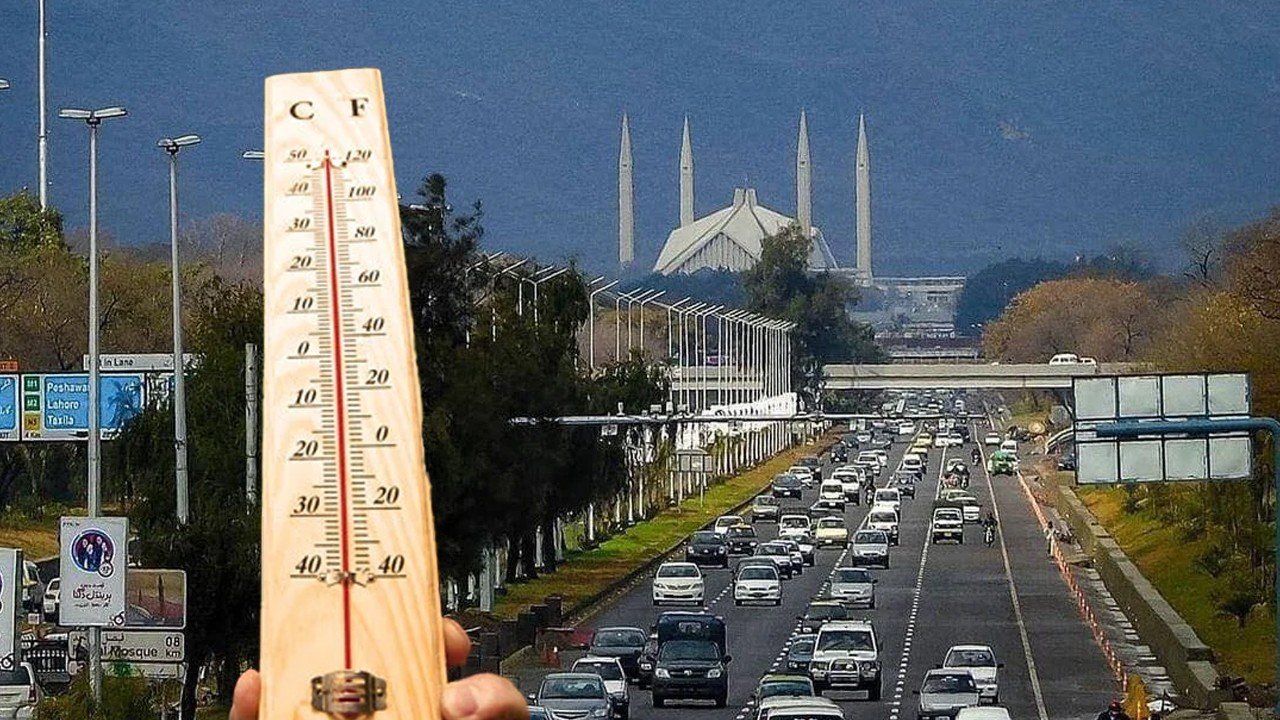
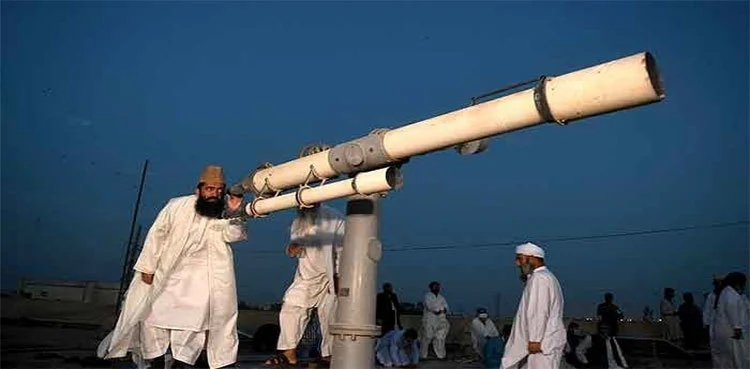
The Ruet-e-Hilal Committee meeting date for the Ramadan moon sighting has officially been announced, confirming when religious scholars and meteorological experts will gather to determine the start of the holy month. The meeting will take place on the evening of 29th Sha’ban at the Ministry of Religious Affairs in Islamabad, with zonal committees meeting simultaneously in major cities across Pakistan. The decision will be made based on eyewitness testimonies and scientific data. The outcome will determine when millions of Muslims across the country begin observing Ramadan.
The announcement brings clarity and anticipation as the nation prepares for one of the most spiritually significant months in the Islamic calendar.
Ruet-e-Hilal Committee to Convene for Ramadan Moon Sighting

The central meeting will be chaired by Maulana Abdul Khabir Azad, head of the Central Ruet-e-Hilal Committee date, at the Ministry of Religious Affairs and Interfaith Harmony in Islamabad. Zonal committees will also convene in provincial capitals, including Karachi, Lahore, Peshawar, and Quetta.
Officials confirmed that the committee will review:
- Eyewitness testimonies from across the country
- Reports from the Pakistan Meteorological Department
- Astronomical data and moon visibility forecasts
- Input from local religious authorities
After thorough deliberation, the chairman will formally announce whether the Ramadan moon has been sighted.
How the Ramadan Moon Sighting Process Works in Pakistan
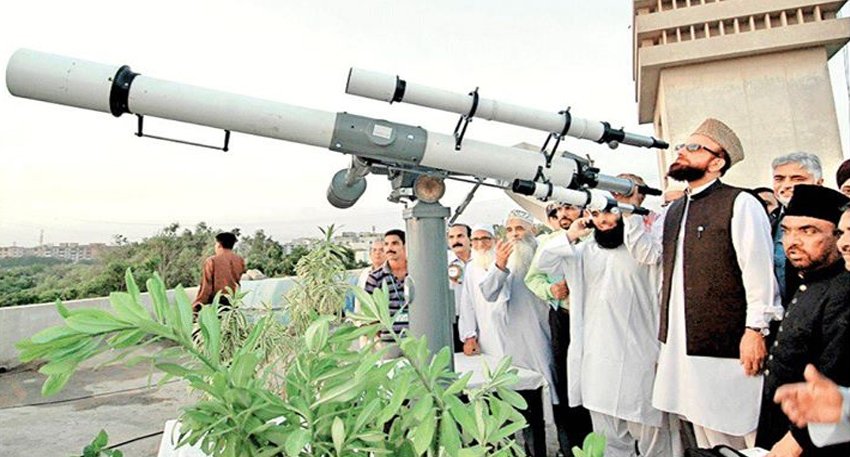
The moon sighting process in Pakistan follows a traditional yet structured approach. While modern technology provides astronomical calculations, the final decision relies heavily on verified human testimony.
Here’s how the process typically unfolds:
- Citizens report moon sightings to local committees or designated offices.
- Zonal committees verify and assess the credibility of testimonies.
- Meteorological experts provide scientific insight into moon visibility.
- The central committee makes the final announcement.
The blend of religious tradition and scientific consultation aims to ensure transparency and nationwide unity.
Role of the Ministry of Religious Affairs
The Ministry of Religious Affairs and Interfaith Harmony coordinates the logistics of the meeting. It facilitates communication between provincial authorities, meteorological experts, and religious scholars.
Officials from the ministry emphasized that the goal is to avoid confusion and ensure a unified start to Ramadan across the country. In recent years, efforts have been made to reduce regional differences in moon sighting announcements.
Expected Date of Ramadan in Pakistan
Based on astronomical calculations, experts suggest that the Ramadan crescent is likely to be visible on the evening of 29th Sha’ban. However, the final confirmation depends on actual moon sighting reports.
If the moon is sighted, Ramadan will begin the following day. If not, Sha’ban will complete 30 days, and Ramadan will start a day later.
Authorities have urged citizens to rely only on the official announcement by the Ruet-e-Hilal Committee meeting date to prevent misinformation on social media.
Public Advisory for Moon Sighting Reports
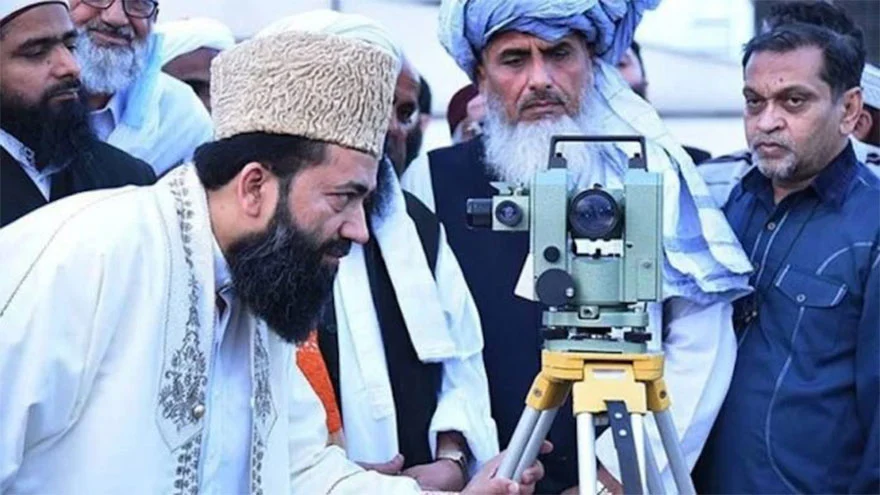
The committee has encouraged citizens to report moon sightings responsibly. People who believe they have sighted the crescent are advised to:
- Contact their nearest zonal Ruet-e-Hilal office
- Provide accurate personal details
- Be prepared for verification by religious scholars
Officials stressed that false or unverified reports can create unnecessary confusion nationwide.
Importance of Ramadan for Muslims
Ramadan holds immense spiritual significance for Muslims worldwide. It is a month of fasting, prayer, reflection, and charity. From dawn to sunset, Muslims abstain from food and drink, focusing instead on spiritual growth and community support.
In Pakistan, Ramadan transforms daily life. Markets adjust working hours, mosques hold special Taraweeh prayers, and families gather for Suhoor and Iftar. The official moon sighting announcement marks the emotional and spiritual beginning of these traditions.
Efforts Toward National Unity in Moon Announcements
In previous years, differing moon sighting announcements led to confusion in certain regions. However, coordinated efforts between the central and zonal committees have improved consistency.
Religious scholars have repeatedly emphasized the importance of unity. The leadership of the Central Ruet-e-Hilal Committee meeting date has called for collective acceptance of the official decision to maintain harmony.
The use of modern astronomical tools alongside traditional testimony is also seen as a step toward minimizing disputes.
Economic and Social Preparations for Ramadan
With the Ruet-e-Hilal Committee meeting date announced, markets across Pakistan are already witnessing increased activity. Retailers are stocking essential food items, while provincial governments are preparing Ramadan relief packages.
Key preparations include:
- Special Ramadan bazaars
- Price control measures on essential commodities
- Adjusted school and office timings
- Enhanced security arrangements
Businesses anticipate a surge in consumer spending during the holy month, particularly in food, clothing, and charitable donations.
Meteorological Perspective on Crescent Visibility

The Pakistan Meteorological Department plays a crucial advisory role in the moon sighting process. Experts analyze lunar age, sunset timing, and atmospheric conditions to estimate visibility.
While scientific predictions offer guidance, Islamic tradition prioritizes actual sighting testimony. The integration of both approaches has strengthened the credibility of the final decision.
Officials noted that weather conditions in coastal and southern regions often improve the likelihood of crescent visibility.
What Happens After the Official Announcement?
Once the chairman announces the decision live on national media, preparations move into full swing. Mosques confirm Taraweeh prayer schedules, businesses finalize Ramadan timings, and families begin spiritual preparations.
The official notification is also shared with media outlets and provincial administrations to ensure uniform implementation nationwide.
Citizens are encouraged to follow updates through credible sources, including the Ministry of Religious Affairs and national broadcasters.
Nation Awaits Crescent Confirmation
The announcement of the Ruet-e-Hilal Committee meeting date sets the stage for one of the most anticipated evenings in Pakistan’s religious calendar. As scholars, meteorological experts, and officials gather to deliberate on moon sighting reports, millions await confirmation of Ramadan’s arrival.
The process reflects a balance between faith, tradition, and scientific consultation. With preparations already underway across the country, the final announcement will mark the beginning of a month dedicated to devotion, compassion, and unity.
Readers are advised to stay connected with official channels for the confirmed moon sighting decision and Ramadan start date.