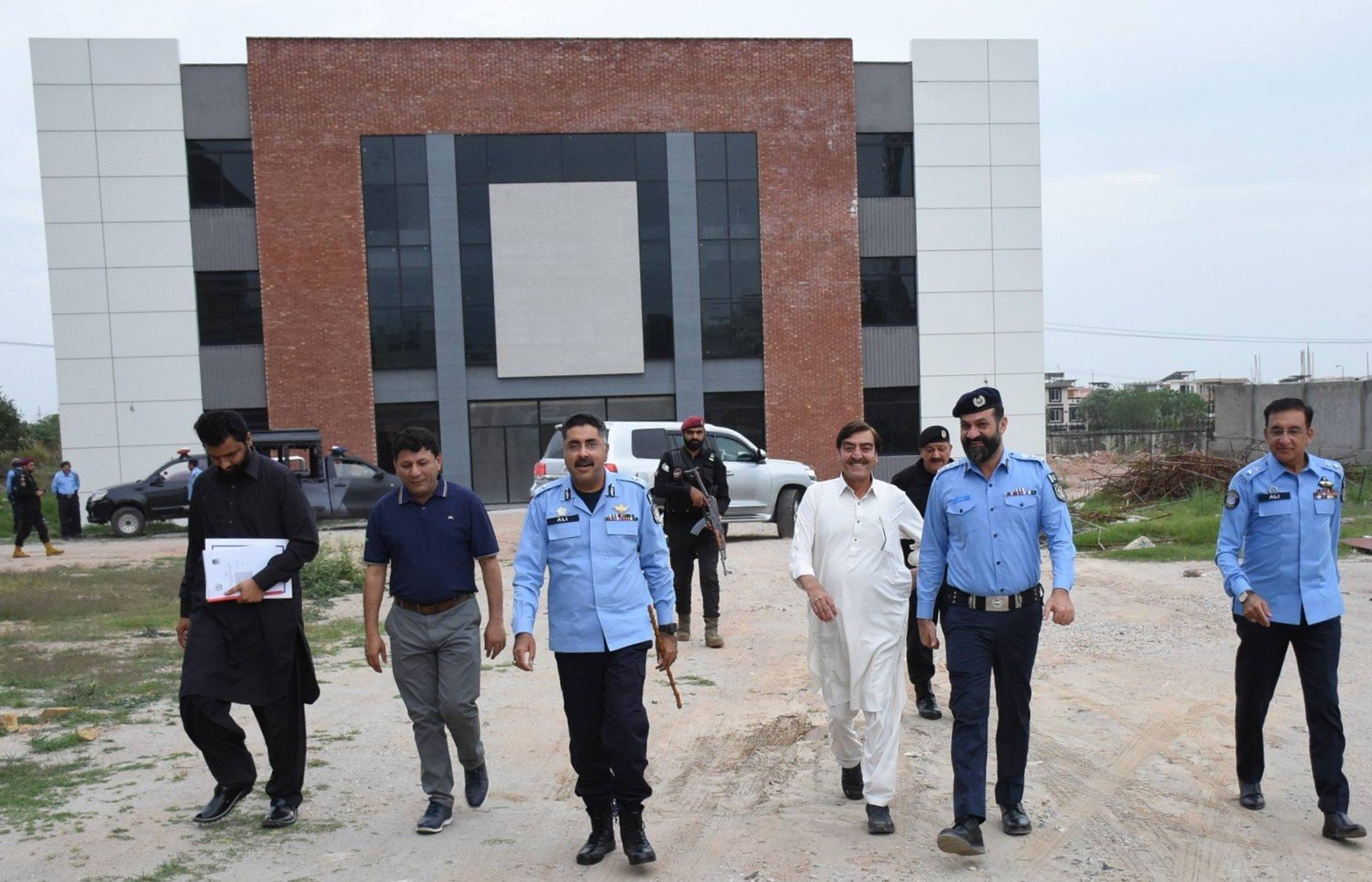
The development of Pakistan’s first National Police Hospital in Islamabad nears completion marking a significant shift in how institutional welfare is perceived and implemented within the country’s law enforcement framework. IGP Syed Ali Nasir Rizvi was instrumental in fast track implementation of the project. For decades, police personnel across Pakistan have carried out their duties under immense physical and psychological pressure, often with limited access to dedicated healthcare facilities.
The new hospital project represents not just an infrastructural upgrade but a long-overdue recognition of the sacrifices made by police officers and their families.
Being constructed at the Police Lines Headquarters, the hospital is envisioned as a state-of-the-art medical facility designed to meet international standards. Its scope extends beyond routine medical care, aiming to provide comprehensive healthcare services including emergency treatment, specialized diagnostics, advanced surgical procedures, and long-term rehabilitation. It is expected to benefit not only serving police officers but also their families and, to some extent, the general public.
Historically, police healthcare in Pakistan has remained fragmented. While cities like Lahore, Karachi, and Peshawar have had police hospitals, these facilities have often struggled with capacity issues, outdated equipment, and limited specialization. Officers frequently had to rely on public hospitals or expensive private institutions, leading to delays in treatment and added financial burdens. The National Police Hospital seeks to address these longstanding challenges by creating a centralized, well-equipped facility that sets a new benchmark for police welfare.
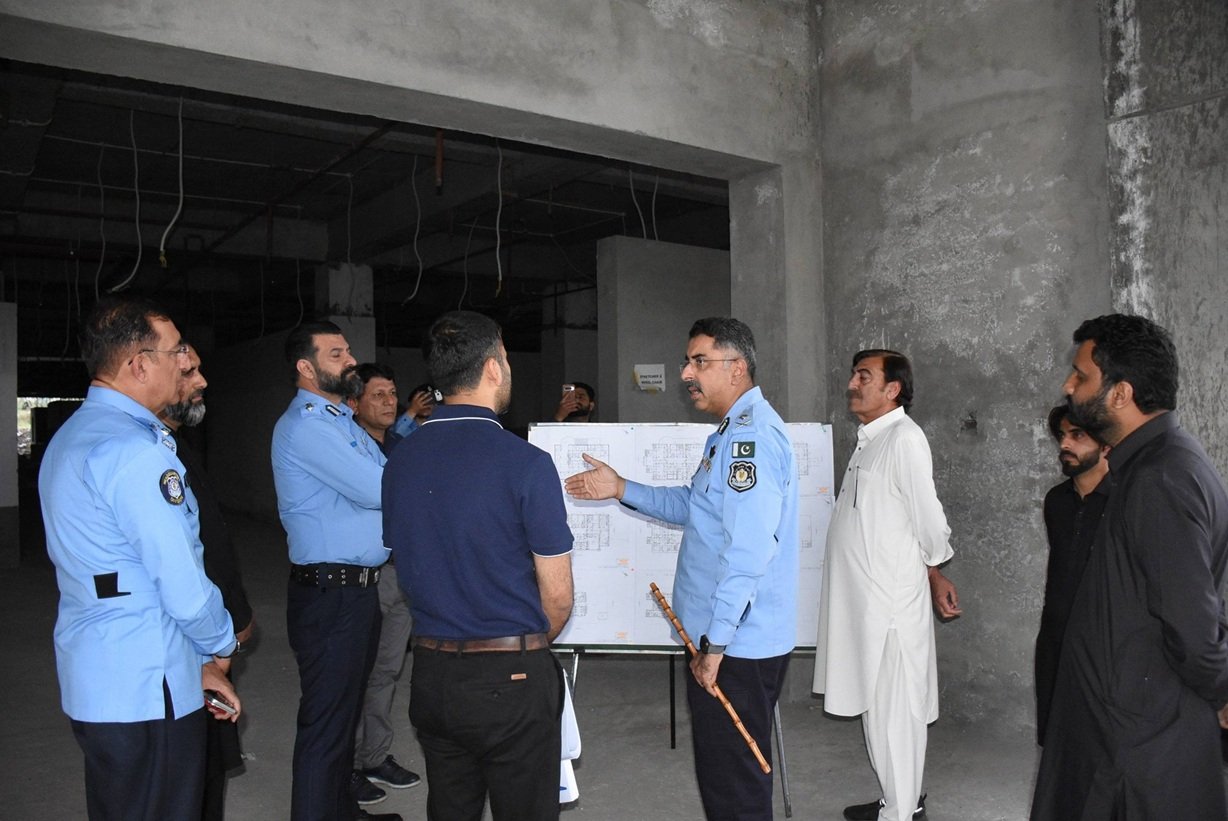
Another important dimension of this project is the emphasis on equality in healthcare access. Regardless of rank, all police personnel are expected to receive the same standard of medical care, ensuring that lower-ranking officers—who often face the toughest field conditions—are not left behind. The inclusion of modern diagnostic labs, intensive care units, and specialized departments indicates a forward-looking approach aimed at reducing dependency on external medical facilities.
Pakistan’s First National Police Hospital
The timing of this initiative is also significant when viewed against the backdrop of evolving security challenges. Police personnel are increasingly exposed to high-risk situations, ranging from counterterrorism operations to urban crime control. These duties not only increase the likelihood of physical injuries but also contribute to mental health issues such as stress and burnout. A well-equipped hospital dedicated to police personnel can play a vital role in addressing both physical and psychological health needs, thereby enhancing overall force readiness.
Welfare initiatives such as this contribute directly to morale-building, which in turn reflects on performance. When officers are assured that their health and that of their families is being taken care of, they are better positioned to focus on their professional responsibilities. This creates a positive cycle where improved welfare leads to better service delivery, ultimately benefiting society as a whole.
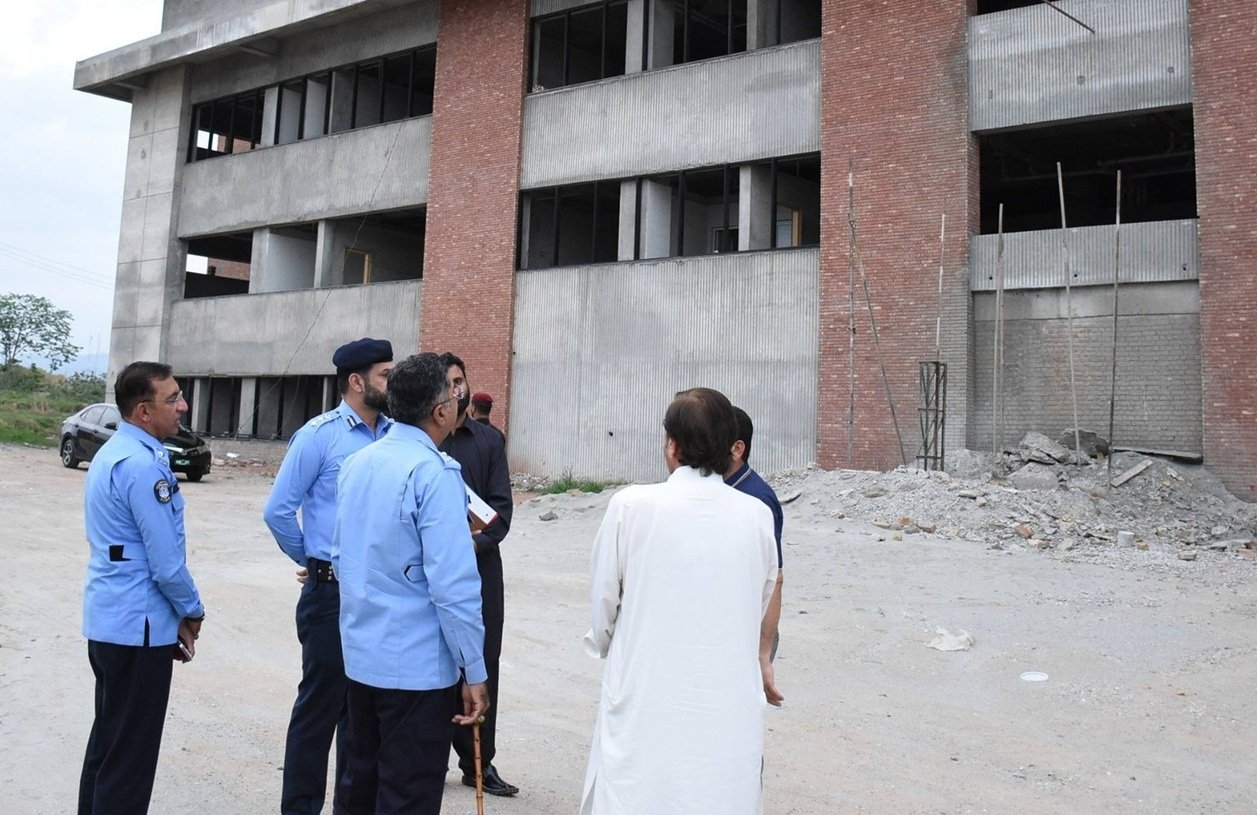
The project also highlights a shift toward long-term planning in police administration. By integrating modern medical technologies and ensuring high standards of infrastructure, the National Police Hospital is likely to become a model for similar initiatives in other parts of the country. It may also encourage provincial governments to upgrade existing police healthcare facilities, creating a more uniform standard nationwide.
Moreover, the inclusion of families in the scope of this facility cannot be overlooked. Policing is not an individual profession; it deeply affects family life. Providing quality healthcare to families acknowledges their role and sacrifices, strengthening the social fabric of the police community. This aspect alone can significantly boost morale and foster a sense of belonging among personnel.
National Police Hospital
As urban centers continue to expand and security dynamics evolve, the need for resilient and well-supported law enforcement becomes even more critical. Projects like the National Police Hospital are therefore not merely welfare measures but strategic investments in public safety. A healthier, more secure police force is better equipped to handle the complexities of modern policing, from crime prevention to emergency response.
In conclusion, the National Police Hospital stands as a landmark initiative that goes beyond bricks and mortar. It represents a progressive vision where the well-being of those who serve the public is treated as a priority. If executed to its full potential, this project could redefine standards of police welfare in Pakistan and serve as a foundation for a more efficient, motivated, and resilient law enforcement system in the years to come.