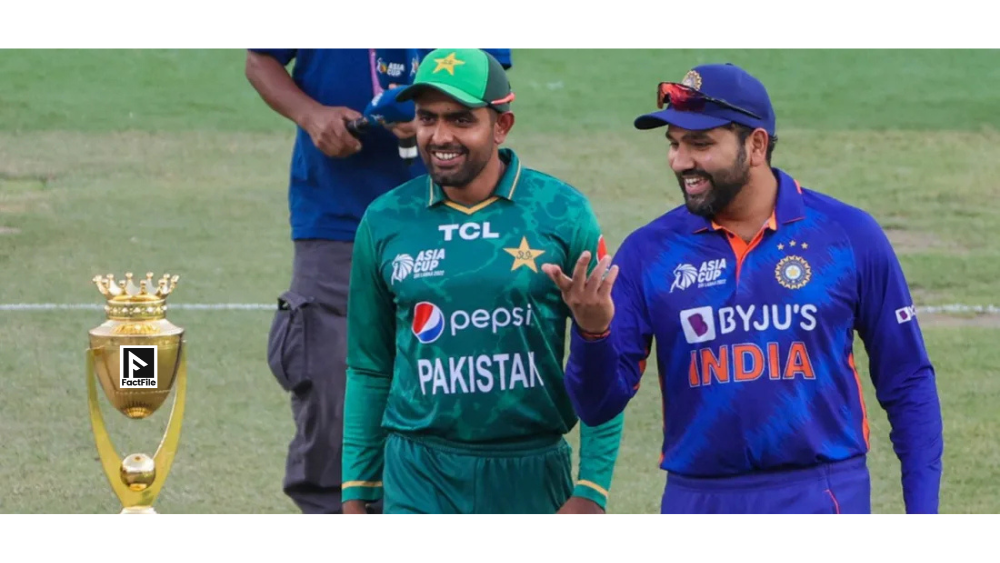
In a surprising turn of events just days before one of cricket’s most high‑profile encounters, the International Cricket Council (ICC) has put ticket sales on hold for the Pakistan vs India T20 World Cup match at the ICC Men’s T20 World Cup 2026. The decision comes amid unresolved tensions over Pakistan’s announced boycott of the fixture, raising questions about the match’s future and its broader implications for the tournament’s integrity and commercial framework.
Why Ticket Sales Were Suspended
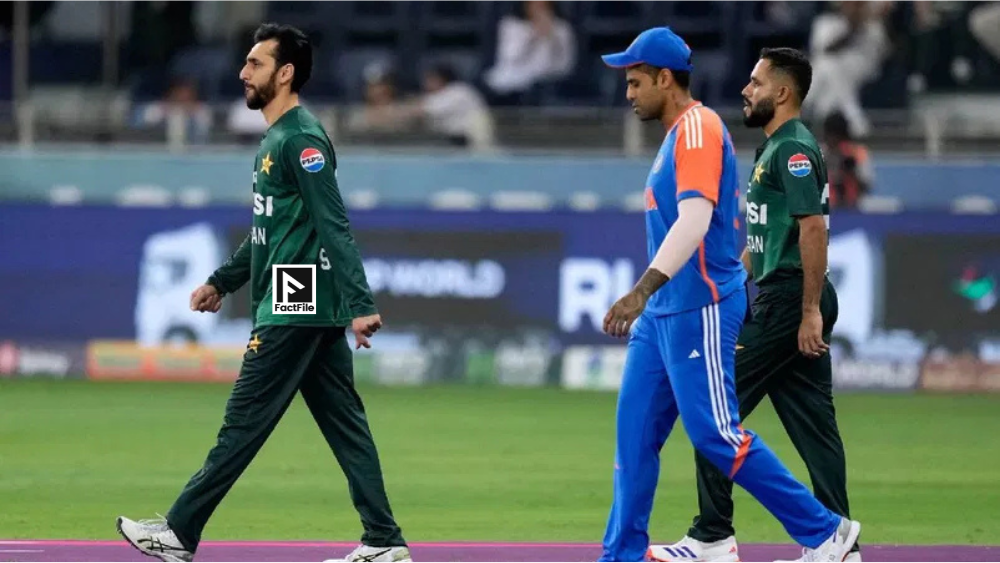
The ICC’s suspension of ticket sales for the Pakistan vs India T20 World Cup game scheduled on February 15, 2026, in Colombo reflects deep uncertainty surrounding whether Pakistan will take the field. Pakistan’s government and cricket board have stated they will travel for the tournament but will not play India in solidarity with Bangladesh, which pulled out of the event following disagreements with the ICC over venue security arrangements.
Officials at the ICC said they are awaiting clarity from the Pakistan Cricket Board (PCB) before reopening ticketing, as selling tickets without confirmation of participation could lead to logistical and financial complications.
Political Backdrop: Boycott and Solidarity
Pakistan’s position stems from a complex political situation involving Bangladesh, which asked for its matches to be moved out of India over security concerns. The ICC declined those requests, leading to Bangladesh’s removal from the tournament and replacement by Scotland. Pakistan said it supported its neighbor’s stance and would therefore abstain from playing India in the T20 World Cup.
The boycott has drawn international attention, prompting responses from cricket boards and political leaders alike. Pakistan’s Prime Minister has publicly backed the stance as a matter of principle.
The Commercial Fallout
The Pakistan vs India T20 World Cup fixture is arguably the most commercially valuable match in international cricket, typically attracting massive global viewership, sponsorship dollars, and ticket revenue. Market analysts and cricket stakeholders have warned that if the match does not proceed, there will be significant financial losses for broadcasters, organisers, and the host country.
- Broadcast deals: A large proportion of ICC’s global media rights income is tied to the Pakistan vs India T20 World Cup matchup. Failure to stage the match could trigger rebates or contract penalties.
- Host nation impacts: Sri Lanka, which co‑hosts the event and stands to benefit from tourism and local economic activity, has urged Pakistan to reconsider to avoid broader financial fallout.
- Smaller boards: Revenue distribution models that rely heavily on marquee fixtures could see reduced funding if the match is scrapped.
Reaction from Cricket Boards
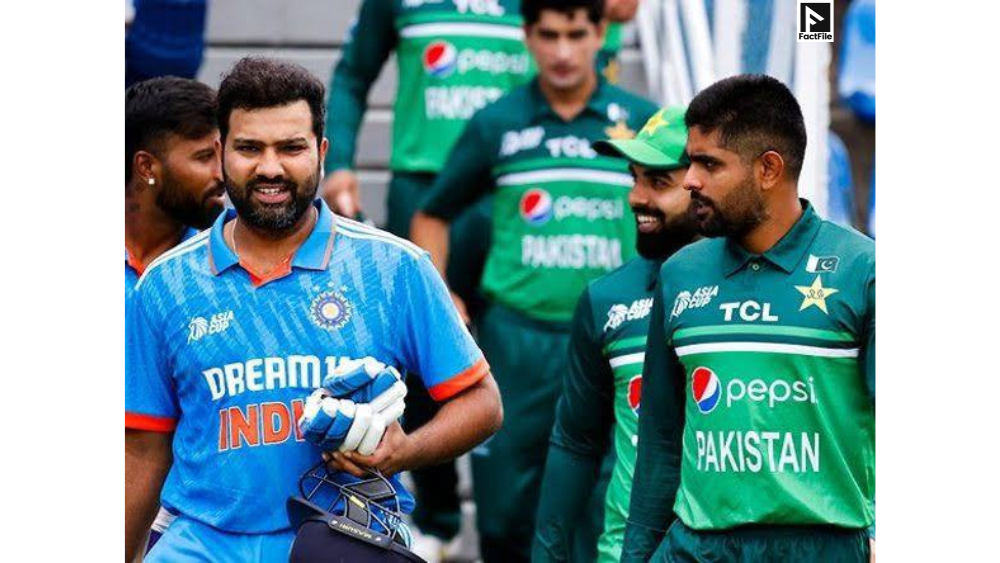
Sri Lanka Cricket Appeals for Participation
Sri Lanka’s cricket board has made a formal appeal to Pakistan, emphasising the detrimental effects of withdrawing from the Pakistan vs India T20 World Cup match. Officials highlighted how cancellations could hurt local businesses, tourism bookings, and the broader financial health of the tournament ecosystem.
ICC’s Position and Potential Sanctions
While the ICC has so far stopped short of punishing Pakistan directly, reports suggest it could pursue financial sanctions or penalties if Pakistan refuses to honour the Pakistan vs India T20 World Cup fixture, especially given contractual obligations with broadcasters and sponsors.
The council’s stance underscores the broader challenge of balancing political pressures with the sporting commitments that govern international cricket events.
What This Means for Fans and the Tournament
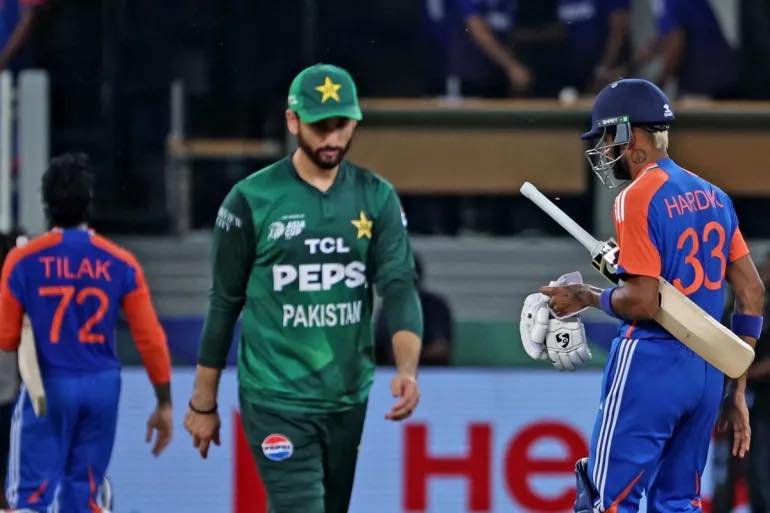
For cricket supporters around the world, the suspension of ticket sales introduces uncertainty. Fans who have been eagerly anticipating the Pakistan vs India T20 World Cup clash — one of the sport’s most intense and widely watched matchups — may now be left disappointed.
Here’s what’s at stake:
- Match Day Experience: Without certainty on Pakistan’s participation, stadium plans and travel itineraries hang in limbo.
- Global Viewership: Broadcasters and fans alike may face sudden schedule shifts or a default result if Pakistan doesn’t play.
- Economic Ripple Effects: Ticketing revenue, local hospitality bookings, and sponsor activations are all vulnerable.
Looking Ahead: Possible Outcomes
As the World Cup approaches, several scenarios could still unfold:
- Reconsideration by Pakistan: Continued dialogue between the ICC, Sri Lanka Cricket, and the PCB might lead to a reversal or compromise.
- Sanction or Penalty: If Pakistan sticks to its boycott, punitive measures could follow under ICC regulations.
- Match Cancellation or Forfeit: The fixture could be declared a forfeit, awarding India the points without play.
These outcomes will shape not just this tournament, but future approaches to political and diplomatic influences on international sport.
Next Steps for Pakistan vs India T20 World Cup Fixture
The ICC’s pause on ticket sales signals that the high-stakes Pakistan vs India T20 World Cup match is far from finalized. Fans, sponsors, and broadcasters are all watching closely as the PCB, ICC, and Sri Lanka Cricket continue discussions.
Possible outcomes include Pakistan reconsidering its boycott, ICC enforcing penalties, or the match being forfeited. The coming days will determine not only the fate of this marquee game but also set a precedent for how political and diplomatic tensions can influence international cricket tournaments.
Follow our live updates and expert insights as this developing story unfolds.